Pop culture moves fast. One minute you are scrolling through a quiet feed, and the next, everyone is talking about 90s horror icons, indie directors, and legendary heavy metal bands. If you have been wondering why names like Matthew Lillard, Lena Dunham, and Metallica are suddenly crowding every corner of your social media, you are not imagining things.
The internet has a funny way of resurrecting old favorites and packaging them into fresh controversy. Let's break down what is actually happening behind the headlines, why these specific stars are trending, and what it says about our current media diet.
Matthew Lillard and the Heavy Weight of Franchise Culture
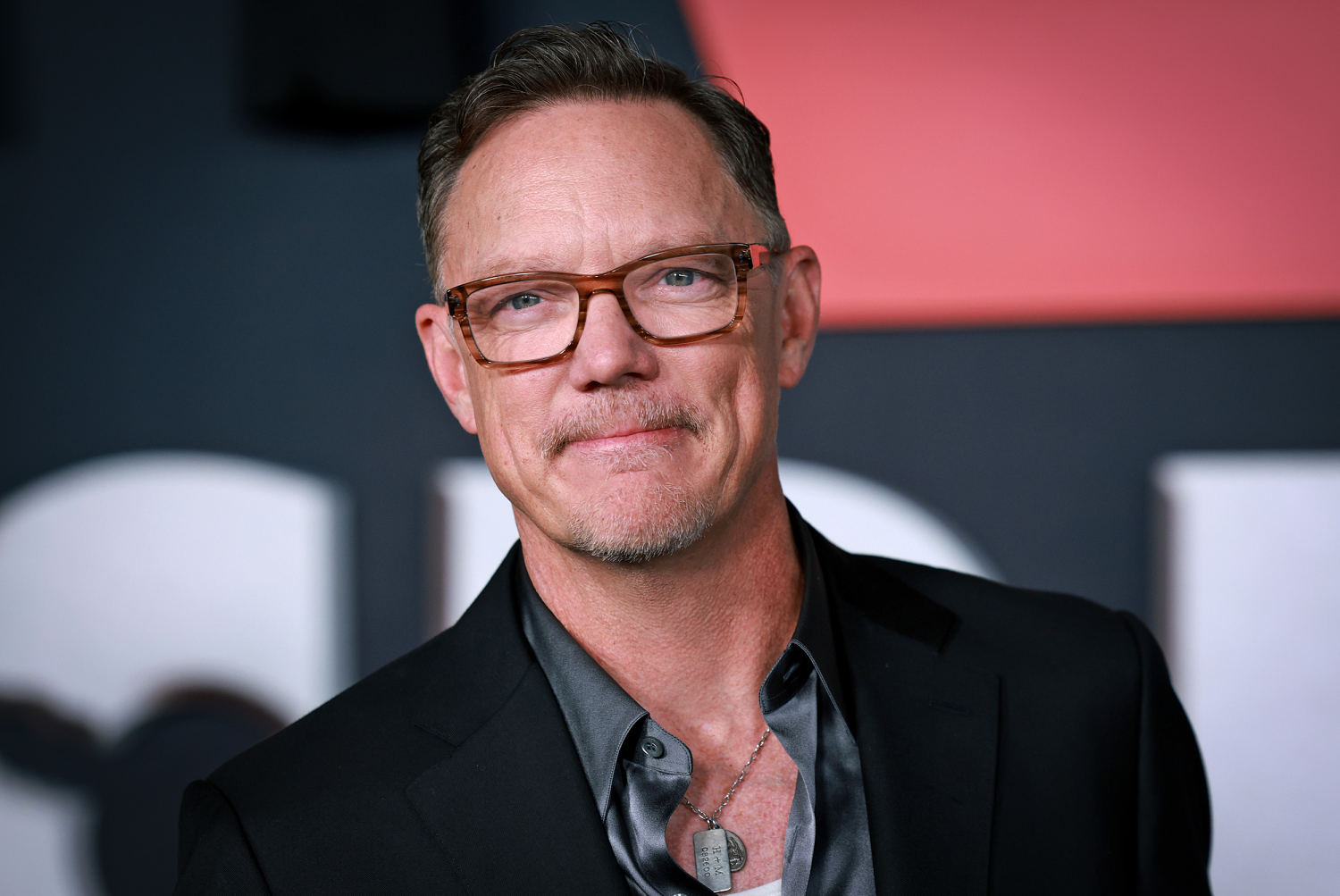
Matthew Lillard recently made waves by admitting he feels a sense of regret or shame regarding his involvement with certain modern horror machine projects, specifically touching on discussions around the Scream franchise.
Let's be honest. Fans love to put actors on pedestals. We expect them to feel eternally grateful for every bit of IP they touch. But Lillard’s candid take cuts right through that corporate PR nonsense.
He carved out a permanent place in pop culture history as Stu Macher back in 1996. Yet, actors grow older, tastes shift, and the constant demand to milk legacy franchises can wear thin. When a veteran performer speaks up about the hollow feeling of commercialized nostalgia, people pay attention. It forces us to look past the box office numbers and see the exhaustion behind the screen.
Lena Dunham and the Evolution of Modern Fame
Meanwhile, Lena Dunham is back in the cultural conversation for an entirely different reason. She recently welcomed a new chapter, embracing life as a mother and navigating a much quieter, grounded personal era compared to her Girls heyday.
We love a comeback story. Or better yet, we love watching former agents of chaos settle down. Dunham spent a solid decade as the internet’s favorite lightning rod. Every outfit, interview, and creative choice was dissected to death on early social media.
Seeing her step back, evolve, and focus on family triggers a collective whiplash for a generation of internet users who grew up alongside her early work. It turns out that aging out of your twenties while the world watches is messy. Her transition highlights a broader trend where audiences are suddenly more interested in quiet reinvention than continuous public drama.
Metallica and the Timeless Grip of Legacy Heavy Metal
Throw Metallica into the mix, and you have a complete cross-section of modern entertainment headlines. Why are they trending alongside internet-era icons? Because legacy acts refuse to fade away.
Whether it is a surprise streaming spike, festival announcements, or a viral clip of a crowd losing its collective mind to "Master of Puppets," heavy metal's biggest household name continues to bridge the generational divide. Gen Z kids discover them through sync deals in prestige television, while original fans are still buying vinyl.
What This Cultural Mashup Means For You
You might look at this random grouping of celebrities and wonder why it matters. It matters because algorithmic trends are no longer linear.
We do not consume media in neat, separated categories anymore. A horror villain’s honest industry critique, an indie auteur turned mom, and a thrash metal band share the same digital oxygen. Platforms mash these stories together into a single, chaotic feed designed to keep your eyes locked on the screen.
Next time you see an eclectic mix of trending topics dominating your timeline, do not just scroll past. Look at the underlying narrative. It is usually about exhaustion with corporate franchises, the strange comfort of watching controversial figures grow up, or the unbreakable hold of 90s nostalgia.
Stop letting algorithms dictate what surprises you. Question the headlines. Look deeper into why these stories are being pushed to the front.
Take a step back from the constant stream of updates. Curate what you actually care about consuming.