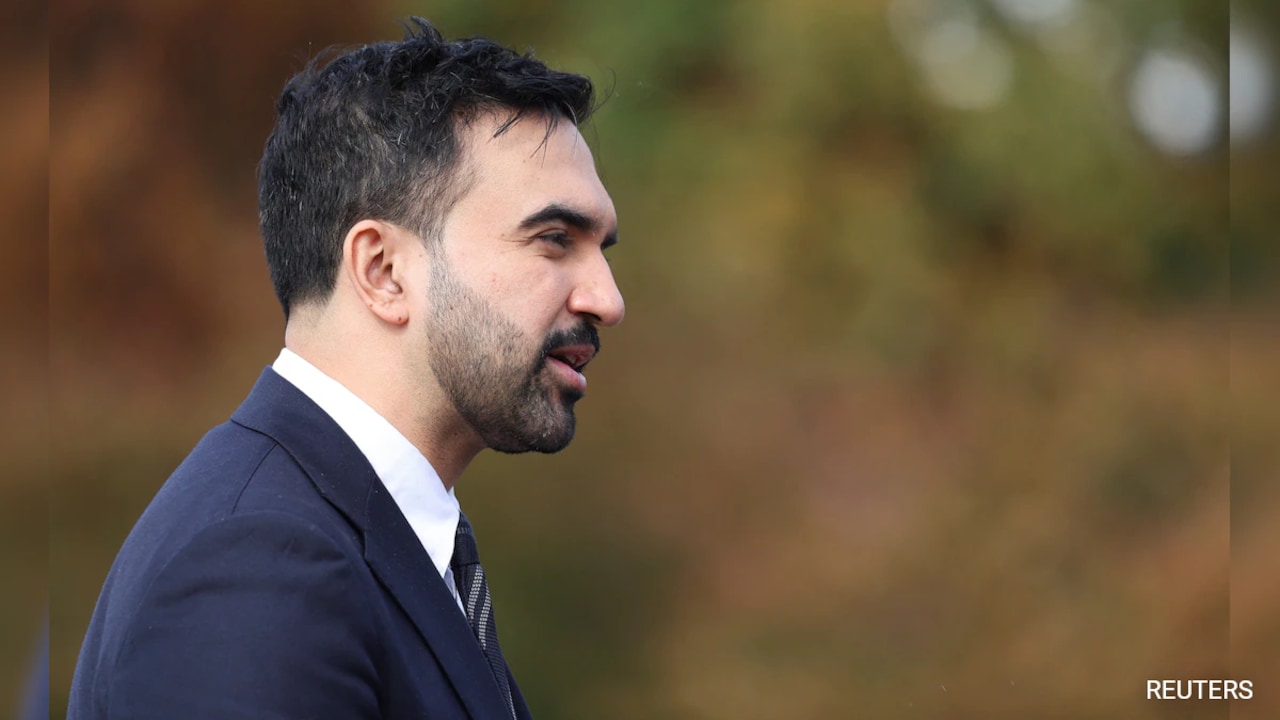
New York Mayor Zohran Mamdani tore his Achilles tendon during a pickup soccer match against journalists on Thursday night, November 19, 2026. He showed up at a City Hall news conference the next morning on crutches wearing a walking boot.
Honestly, anyone who plays recreational soccer past thirty knows that exact sinking feeling. You score a goal right after stepping on the field, adrenaline spikes, your brain still thinks you're twenty-two, and then your lower leg gives out chasing a loose ball. Mamdani, who is 35, didn't hide what went wrong. "I did not stretch," he told reporters. "I scored a goal soon after getting on the pitch, and I forgot that I was 35."
Most quick news reports stop right there—a quirky blip about a mayor on crutches bragging that his City Hall crew beat the press corps. That misses the bigger story. A non-contact Achilles tear in a casual seven-a-side game is a textbook example of how easily weekend athletes blow out a tendon they barely thought about five minutes earlier.
How the Soccer Match Injury Happened
The game took place Thursday night at an indoor soccer facility in Manhattan's Financial District. Around two dozen journalists squared off against members of Mamdani's staff on a small indoor turf pitch.
Mamdani arrived after the 7 p.m. kickoff and jumped into the action shortly after it started. No rough tackle or nasty slide caused the damage. Reports indicate it was a non-contact injury in the second half while he sprinted after the ball. Staffers had to help him off the field late in the second half.
Even the final score turned into light banter between politicians and reporters. Mamdani said his side won 10-5. Some journalists remembered the scoreboard closer to 8-4 or 8-5. Either way, City Hall claimed bragging rights while the mayor walked away with a serious lower-leg setback.
Friday morning, he still made his scheduled appearance to talk about his plan to close the Rikers Island jail complex by the end of 2032, sitting on a stool with a boot on his right foot. A reporter asked about the crutches, and the story broke wide open.
Why an Achilles Rupture Hits at Age 35
If you've ever watched an athlete drop to the turf grabbing the back of their ankle without another player anywhere near them, you've seen how brutal an Achilles tear looks. The tendon connects your calf muscles—the gastrocnemius and soleus—to your heel bone (the calcaneus), transmitting huge explosive forces every time you push off to sprint or jump.
Roughly 80% of Achilles ruptures happen during sports, and recreational court or turf games are notorious triggers. Soccer, basketball, and tennis demand sudden accelerations, stops, and direction changes on surfaces that grip hard.
Age plays a quiet, unforgiving role here. According to orthopedic guidance reported by The Washington Times, blood supply to the Achilles tendon is already limited and tends to decline further after age 30. Less blood flow means tissues adapt slower when you go from sitting at a desk or running city government all day straight into high-speed sprinting.
Skipping a warmup makes that mismatch worse. Cold muscles and stiff tendons don't absorb sudden elastic loads well. Stepping onto indoor turf without progressive movement drills—light jogging, dynamic leg swings, and gradual submaximal sprints—is basically asking a thirty-something tendon to handle peak force before it's ready.
Wait—let's be clear about one common myth. "I did not stretch" is super relatable, yet static stretching right before sprinting isn't a magic shield against tendon ruptures. What actually primes the muscle-tendon unit is gradual warm-up loading and regular strength training over weeks and months, not holding a toe-touch for twenty seconds in the hallway.
What Mamdani's Nine-Month Timeline Actually Means
Mamdani told reporters he expects to wear a medical boot for six to eight weeks and stay off the soccer pitch for about nine months. Neither he nor his office has publicly shared whether the tear is partial or complete, or whether he plans to undergo surgery.
That nine-month estimate lines up closely with real-world orthopedic rehab for a rupture. Walking comfortably in everyday shoes often takes two to three months, depending on the protocol. Light jogging frequently doesn't start until around five or six months, and full cutting, sprinting, and competitive sports usually take nine to twelve months.
Here's what surprises a lot of people going through this recovery:
- The boot phase isn't the whole battle. Immobilization and gradual heel-wedge removal protect the healing tendon early on.
- Weeks 6 to 12 carry high re-rupture risk. Once pain drops and the leg feels decent, people get careless—stepping off a curb awkwardly or walking around without the boot before strength and tissue remodeling are ready.
- Calf strength lags behind. Even a year or two out, a measurable strength deficit on the injured side is common without dedicated progressive calf raises.
As for surgery versus non-surgical treatment in a boot, sports medicine research shows both paths can work well when paired with structured rehabilitation, though each carries different trade-offs around re-tear rates and wound or complication risks. Clinical guidelines from organizations like the American Academy of Orthopaedic Surgeons (via OrthoInfo) and protocols summarized in sports medicine rehab literature emphasize matching the plan to the patient's demands, timing, and surgeon's evaluation.
Running City Hall on Crutches
For a big-city mayor, tearing an Achilles is mostly an inconvenience rather than a work stoppage—assuming the commute and schedule adapt. Mamdani didn't cancel his press appearance on Friday.
Still, managing crutches or a walking boot while moving between briefings, site visits, and pressers takes planning. Fatigue creeps in fast when you're hopping or balancing on one leg all day, and swelling in a lower leg loves to flare up after long hours upright.
Publicly, a sports injury from a pickup game against reporters humanizes a leader in a way policy speeches rarely do. Nobody questions whether a mayor wants to win a friendly match. Everyone just laughs a little at the classic reminder that Father Time doesn't care about your job title.
Practical Next Steps If You Play Pickup Sports After 30
You don't need to quit soccer or basketball because you're in your thirties. You do need to respect how your body transitions from daily life to explosive play.
- Build a 10-minute progressive warmup. Start with brisk walking or light jogging, add dynamic hip and ankle mobility, and finish with short accelerations—never go from zero to a full sprint.
- Train your calves year-round. Heavy, slow calf raises (both straight-knee and bent-knee) strengthen the muscles and load the tendon safely so sudden sprints don't shock it.
- Ramp up indoor turf and sprint volume gradually. If you haven't played fast court or turf sports in weeks, ease in instead of playing full-tilt for an hour on day one.
- Get lower-leg "pop" or sudden push-off pain checked right away. If you feel a snap, sharp pain at the back of the ankle, or can't push off normally, skip walking it off and see a doctor promptly for an exam.
Warm up properly before your next game, check your ego at the touchline, and give your tendons the preparation they deserve.