Resettling 10,000 Rohingya from Malaysia to Turkiye sounds simple on paper, until you look at the legal gaps, long-distance logistics, and domestic politics sitting behind a headline like that.
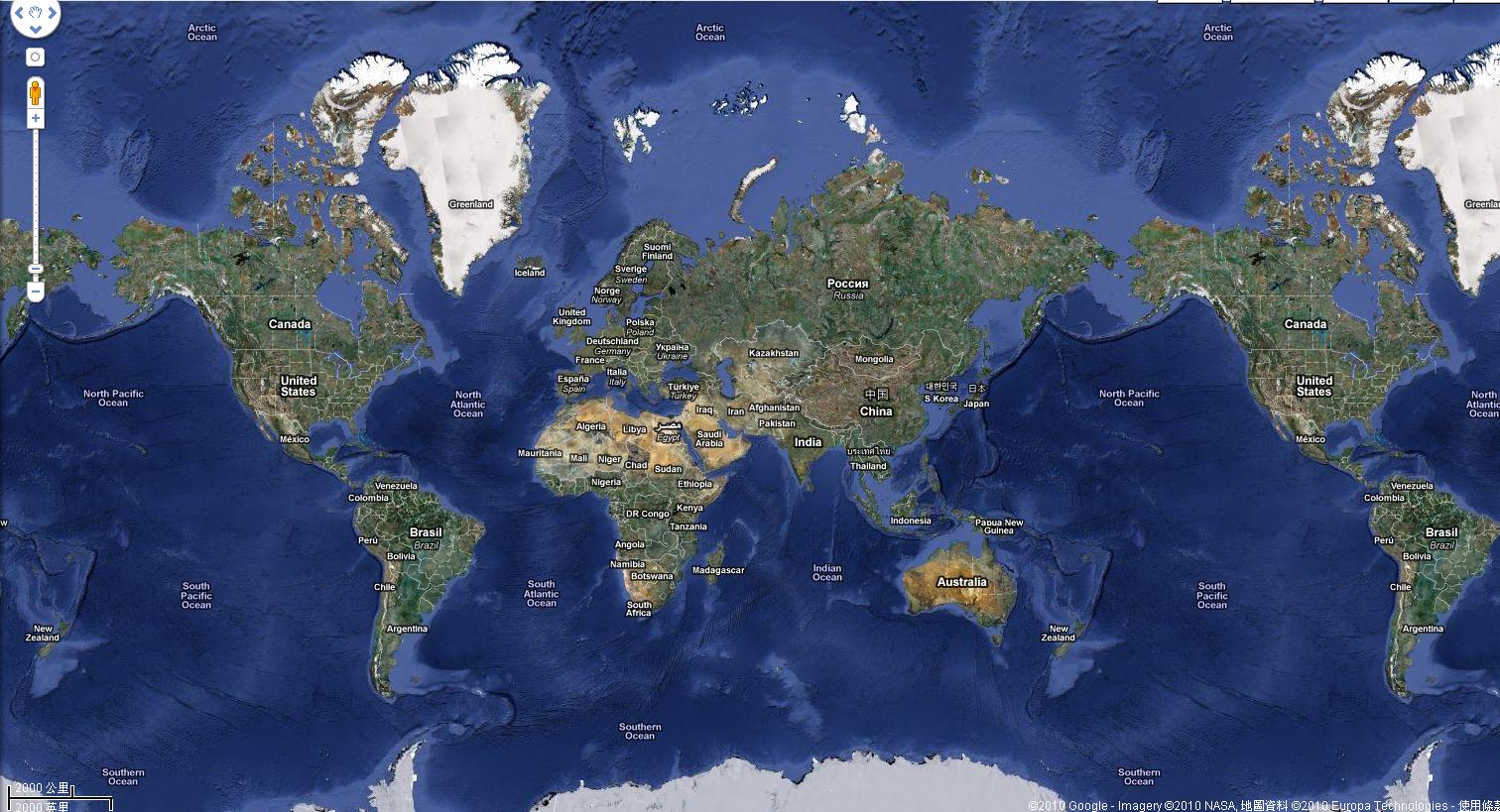
When news breaks that Malaysia plans to resettle 10,000 Rohingya in Turkiye, the first reaction from most people is relief. At least some displaced families get a shot at stability. Then reality sets in. For years, Southeast Asian countries like Malaysia have struggled with how to manage large numbers of Rohingya fleeing violence and statelessness in Myanmar, while European and Western resettlement quotas have moved slowly or shrunk. Turning toward Turkiye shifts the conversation from traditional third-country resettlement to bilateral diplomacy between two major Muslim-majority nations.
Honestly, a plan at this scale isn't just a humanitarian gesture. It's a pressure valve. And like every pressure valve, it shows how tight the system already is.
Why Resettling 10,000 Rohingya in Turkiye Changes the Equation
Traditional refugee resettlement usually involves a displaced person already registered with the United Nations High Commissioner for Refugees (UNHCR) getting vetted and moved to a country with an established resettlement pipeline, such as the United States, Canada, or Australia. That process already takes years and depends heavily on shifting domestic politics in receiving states.
Moving 10,000 people from Malaysia to Turkiye flips a few familiar assumptions. Malaysia has long maintained that it is not a signatory to the 1951 Refugee Convention and its 1967 Protocol, which shapes how refugees are treated legally inside the country—often leaving them without formal legal status, right to work, or guaranteed access to public schooling. When a host country looks to move 10,000 individuals to a partner state like Turkiye, it signals a desire to ease domestic strain while leaning on diplomatic ties rather than waiting around for slow multilateral quotas.
Still, numbers matter. Ten thousand sounds huge in a news alert, yet it represents only a fraction of the broader Rohingya population displaced across Southeast Asia and Bangladesh. One plan doesn't solve a regional crisis on its own. It tests whether bilateral cooperation can move people faster than UN-led queues.
What Most People Miss About Southeast Asian Refugee Policy
A lot of commentators treat Malaysia's stance on refugees as a sudden mood swing. It isn't. It's a long-running tension between public sympathy on one side and enforcement, labor market worries, and border control on the other.
In practice, people working on migration and protection issues in the region point out a few hard truths that rarely make the top of a wire story:
- Legal limbo shapes daily life. Without formal refugee status under domestic law, many displaced people live with constant fear of arrest, detention, or deportation, even when they've been in the country for years.
- Informal work cuts both ways. Employers in construction, agriculture, and services often hire undocumented workers, yet lack of legal protection leaves workers exposed to wage theft and abuse.
- Resettlement isn't a quick exit. Even when a receiving country agrees to take people in, security checks, family reunification rules, travel documents, and integration support take serious time and money.
That's why announcements about moving thousands of people sound brisk in a press brief, while the actual mechanics can drag out or hit roadblocks. Anyone watching migration policy knows there's a big gap between an intention stated by officials and families boarding flights with clear legal papers in hand.
Turkiye's Role and Real-World Constraints
Turkiye already hosts millions of refugees and migrants, mostly from Syria, alongside people from Afghanistan and other countries. Over the past several years, public debate inside Turkiye around hosting costs, housing, jobs, and local municipal strain has grown louder and more sensitive.
So when a proposal connects Malaysia and Turkiye around resettling 10,000 Rohingya, two questions immediately jump out. First, what legal status and support system would those individuals receive upon arrival? Second, who pays for housing, healthcare, language support, and livelihoods over the long haul? Without clear answers to those questions, a bilateral plan risks running into the exact same bottlenecks that stall resettlement elsewhere.
You can check international reporting and protection frameworks through organizations like UNHCR and Human Rights Watch to see how resettlement criteria and host-country pressures play out across regions.
The Big Misconceptions Around Third-Country Moves
People often assume third-country resettlement works like buying a plane ticket and starting fresh the next week. It doesn't work that way at all.
First, selection isn't automatic. Governments look at vulnerability criteria, security vetting, family ties, and administrative capacity. Families split across borders can face agonizing delays if paperwork doesn't line up.
Second, arriving in a new country doesn't erase trauma or statelessness overnight. Language barriers, credential recognition, and housing costs hit hard right away. Even well-intentioned programs can fail if local communities aren't supported alongside newcomers.
Third, bilateral arrangements raise tough questions about burden-sharing. Wealthier resettlement states outside the immediate region have often been criticized by frontline host countries for expecting neighbors to shoulder most of the responsibility while keeping their own intake numbers low. When two middle-income countries negotiate a move of 10,000 people, it spotlights how uneven global responsibility-sharing still is.
What to Watch Next If You're Following This Story
If you care about human rights, regional diplomacy, or how global migration actually works, don't stop at the initial announcement. Watch the details that show whether real movement is happening.
- Look for concrete timelines and eligibility rules. Vague pledges are easy; clear criteria on who qualifies and when transfers begin tell you whether the plan has teeth.
- Track UNHCR and civil society involvement. Independent monitoring and legal protection standards matter enormously when vulnerable people are moved across borders.
- Pay attention to local reception conditions. Housing, work permits, and schooling in the receiving country determine whether resettlement leads to stability or just another precarious chapter.
- Watch regional reactions in ASEAN. How neighboring states respond will show whether this stays a one-off bilateral move or nudges broader regional talks forward.
Big headlines come and go fast, yet the people caught in displacement live with the consequences every single day—so keep your eye on the follow-through, not just the announcement.