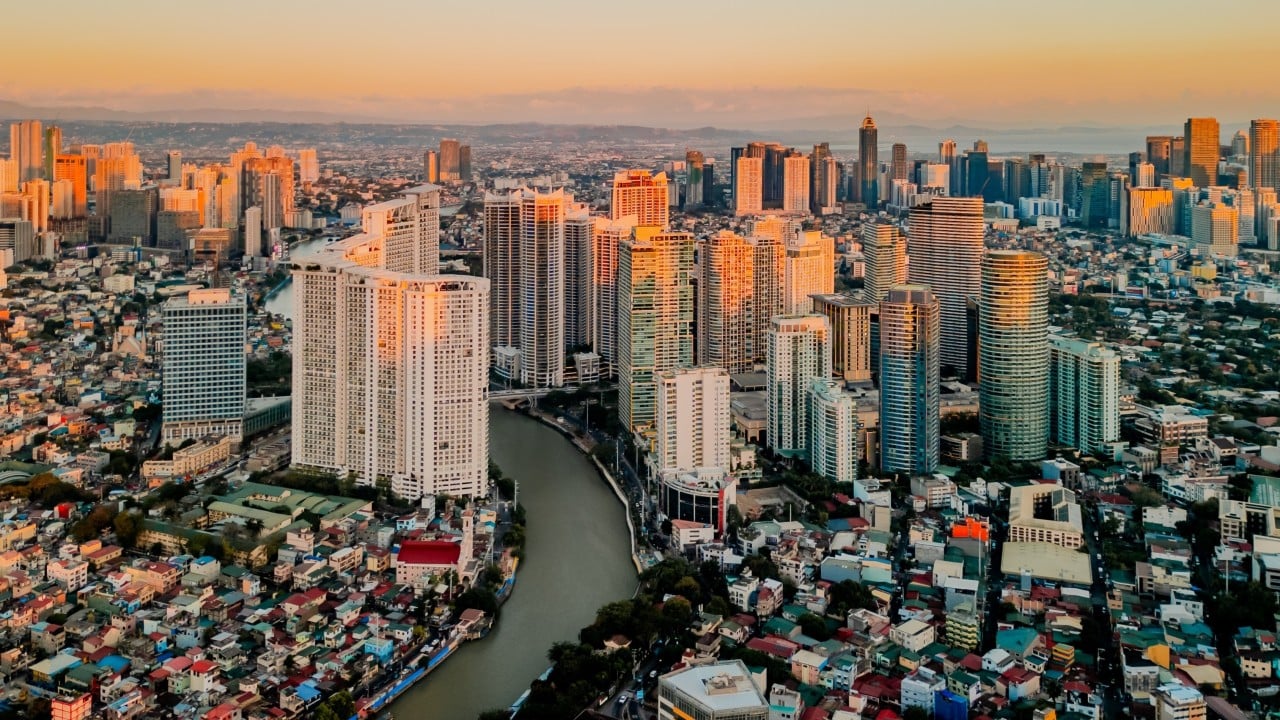
Let's talk about corporate survival humor in Southeast Asia's financial powerhouse. Young professionals clocking into high-rise offices in Makati City are ironically calling themselves OFWs—Overseas Foreign Workers—even though they were born just a few jeepney rides away. They aren't crossing international borders. They are crossing mental and financial boundaries just to afford a tiny condo near their cubicle.
If you have ever spent three hours crawling through Manila traffic trying to travel six kilometers, you already understand why local employees treat their own neighborhoods like foreign assignment posts.
The Makati Bubble and the Cost of Living Reality
Makati isn't just a business district. It is a separate economic ecosystem. High-end coffee shops, international fast-food chains, and luxury high-rises sit side-by-side with brutal rental prices that mimic Singapore or Hong Kong rather than local wages.
When young professionals secure an entry-level or mid-level job in the central business district, commuting from the outer suburbs becomes a form of psychological torture. Waking up at 4:30 AM to catch multiple forms of public transport drains your soul before you even open your laptop. The logical solution? Renting a shoe-box apartment nearby.
Except rent takes up half a monthly salary.
This financial squeeze has birthed a sharp online subculture. Local employees joke about experiencing severe "culture shock" when moving from their provincial homes into Makati studio apartments. They post satirical vlogs about adapting to the high-priced lifestyle, missing local home-cooked meals, and dealing with expatriate-level prices while earning local pesos. It is coping mechanism comedy at its finest. You laugh so you don't cry over utility bills.
Why the "Local OFW" Joke Hits So Close to Home
For decades, the term OFW carried a very specific heavy weight in the Philippines. Millions of Filipinos leave home every year to work as nurses, domestic helpers, engineers, and hospitality staff in the Middle East, North America, and Europe, sacrificing family time to send remittances back home.
By hijacking the term, young urban workers are making a profound statement about domestic migration. Moving from a province like Bulacan or Laguna to Makati feels like moving abroad because of the massive economic disparity. You face the same homesickness, the same rent stress, and the same isolation—just without the benefit of earning foreign currency.
Social media feeds are flooded with skits showing young workers packing balikbayan-style boxes just to move down the street, or calling their mothers long-distance to ask how to operate an induction stove. It is funny, but it highlights a harsh reality. Urban centers in the Philippines have become so expensive that living independently inside your own country feels like an overseas migration trial.
Surviving the Hustle Culture Without Losing Your Mind
If you are a young professional trying to make it in high-cost districts like Makati or Bonifacio Global City, you quickly learn that standard financial advice falls apart. Saving 20 percent of your income sounds great on paper until your electricity bill spikes and a cup of decent coffee costs a noticeable chunk of your daily budget.
Navigating this environment requires ruthless budgeting and a willingness to reject lifestyle inflation. The people winning at this game are the ones who share cramped apartments with roommates, cook their own meals instead of buying lunch in Ayala Avenue food halls, and use humor to cut through the corporate burnout.
Stop pretending that career success in a high-priced district means you have to live above your means. Find your community, laugh at the absurdity of the local rental market, and prioritize your mental health over a fancy corporate title.
Track your actual expenses for one month. Cut out the hidden convenience costs. Build a buffer that protects you from sudden rent hikes, and remember that no job is worth spending your entire paycheck just to sleep forty minutes closer to your desk.