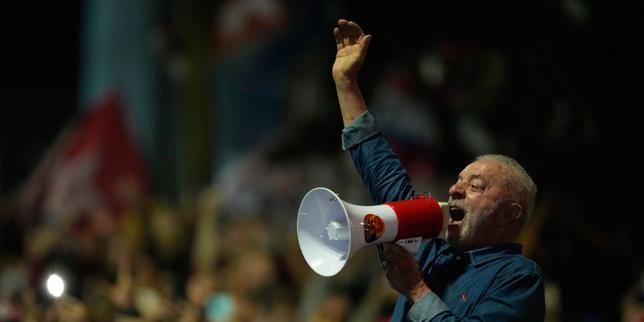
Luiz Inácio Lula da Silva just defied the political gravity of Latin America. Against every single poll and a wave of conservative momentum, the veteran leader secured an unprecedented fourth presidential mandate in Brazil, pulling off a historic comeback at 80 years old. It's a massive political earthquake. But the real story isn't just about his survival—it's about how he did it, and what happens next in a deeply fractured country.
If you thought Brazilian politics had settled into a predictable conservative rhythm after the legislative elections, think again. Lula faced Flavio Bolsonaro, the son of the former president, in a grueling runoff. The campaign was brutal. It was chaotic. And it proved that Brazilian democracy is currently running on pure adrenaline.
The Anatomy of a Historic Comeback
Let's look at the numbers and the sheer improbability of this victory. Lula actually trailed behind his conservative challenger in the first round of voting. No candidate in modern Brazilian history—dating back to the end of the military dictatorship in 1985—had ever managed to reverse a first-round deficit in a presidential runoff.
Until now.
Lula called it a virada, the Portuguese equivalent of a sports remontada. He leaned heavily on the youth vote, who mobilized fiercely on social networks and in the streets during the final stretch. It’s a remarkable feat for a politician who has already spent more time at the helm of Latin America's largest democracy than anyone else. By the time this new four-year term wraps up in 2030, Lula will have clocked a staggering sixteen years in total power.
Contested Results and Familiar Ghosts
You shouldn't expect the losing side to go quietly into the night. History loves to rhyme, and the Bolsonaro camp is playing straight out of the 2022 playbook.
Immediately after the results came in, Flavio Bolsonaro flat-out refused to concede defeat. He stood in Brasília and denounced what he called a massive "magouille" (a shady fix), pointing fingers at a Supreme Court-mandated two-hour extension of voting operations on election day. His legal team is gearing up to demand an outright annulment of the vote.
It feels uncomfortably familiar. His father, Jair Bolsonaro, is currently serving a 27-year sentence in house arrest for his own post-election power grabs. Now, the son is adopting the exact same rhetoric of institutional illegitimacy. Lula, on the other hand, fired back immediately, slamming what he described as deliberate attempts to suppress voter turnout in key urban centers through transit disruptions.
International Repercussions and Local Reality
Global leaders are watching this very closely. Ursula von der Leyen and figures like Jean-francois—pardon me, Jean-Luc Mélenchon in France—were quick to praise the outcome as a triumph for democratic resilience and multilateralism. Western governments grappling with their own right-wing populist movements breathed a massive sigh of relief.
Yet, you have to look past the congratulatory tweets from Brussels. Lula’s actual governing reality is going to be brutal. The legislative branch swung hard to the right weeks before the presidential vote. That means his room for maneuver in Congress is practically non-existent. Passing ambitious social packages or sweeping environmental reforms won't be a walk in the park. It's going to require endless legislative horse-trading, compromises, and constant political trench warfare.
What Comes Next for the Giant of South America
Brazil is exhausted. The country remains split right down the middle, culturally and politically. Lula inherits a nation grappling with persistent economic anxieties, intense polarization, and a digital battleground that he has openly promised to regulate.
When an 80-year-old former metalworker from the impoverished Northeast of Brazil manages to rewrite the history books yet again, you pay attention. He beat the odds, he beat the conservative surge, and he beat history itself. But keeping a polarized nation together for four more years might just be his hardest battle yet.