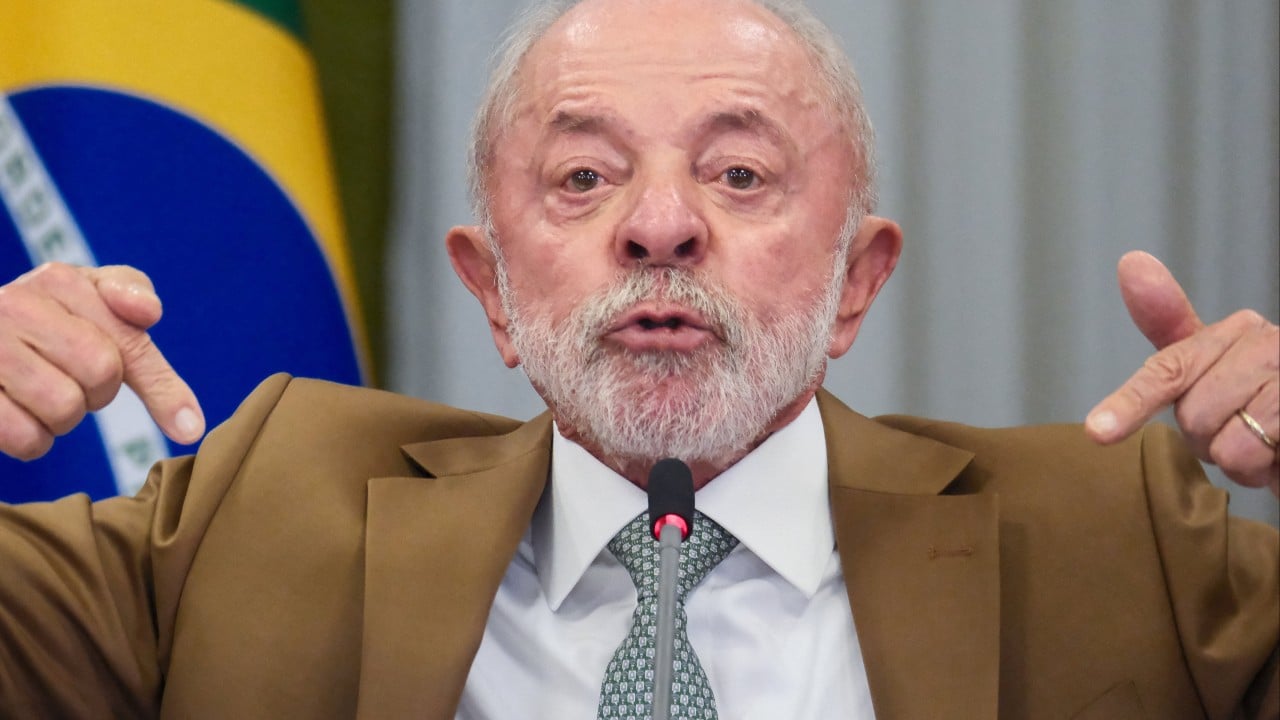
Fresh off a high-stakes re-election victory, Brazilian President Luiz Inacio Lula da Silva didn't waste any time unpacking his bags. Instead of resting, he packed his entourage and flew straight to Antalya, Turkey, for the COP31 United Nations climate conference.
It is a loud statement. When a leader chooses a climate summit for their very first international diplomatic mission right after securing another term, they are sending a direct message about where their priorities lie. Brazil wants to anchor global environmental talks, and Lula wants to make sure everyone at the table knows it.
The Post-Election Reality Check
Let's look at the timing. Securing re-election in Brazil wasn't a casual Sunday stroll; it was a grueling political battle. Domestic pressures are heavy, and the economy demands constant attention. Yet, Lula chose to board a plane for Turkey almost immediately.
Why? Because Brazil's entire geopolitical brand relies heavily on the Amazon and climate diplomacy. If Lula stayed home, he would have signaled a retreat from international environmental leadership. By showing up at COP31 right out of the gate, he reinforces his administration's core narrative: Brazil is back at the center of global climate action, whether other nations like it or not.
What's on the Table in Antalya
COP31 opened with intense friction over financing and fast-moving climate threats. The World Meteorological Organization warned everyone right as doors opened that global heating is accelerating at a terrifying pace. Meanwhile, UN climate officials are pointing out that fossil fuel costs are driving inflation worldwide.
Enter Lula. He arrives not just as a standard head of state, but as the leader of a nation that holds the keys to the world's largest rainforest. But his trip comes with its own domestic quirks. Reports from Brazilian media note that while he traveled with key ministers and ambassadors, he left congressional leaders behind. That split speaks volumes about the delicate political balancing act he faces back home while trying to make bold promises abroad.
The Global South and Climate Finance
Negotiations at COP31 co-hosted by Australia are bogged down by the usual suspects: wealthy historic polluters arguing over who should foot the bill for developing nations. Lula steps into this arena with a very specific mandate. He's pushed hard for wealthier nations to fulfill past financial commitments rather than shifting the burden onto developing economies that suffer the worst consequences of a warming planet.
You can't talk about stopping deforestation without talking about money. Brazilian leadership has repeatedly made it clear that protecting the Amazon requires international financial backing that actually reaches local communities and changes economic incentives on the ground. Empty applause from rich nations doesn't fund sustainable agriculture or stop illegal mining.
What Happens Next
Lula's whirlwind trip to Turkey is just the opening leg of a broader diplomatic blitz. From Antalya, his travel schedule points toward upcoming major summits like the ASEAN gathering.
The real test won't be the speeches delivered under the bright lights in Turkey. It will be whether Lula can translate his high-profile international presence into concrete policy shifts at home while managing a tricky domestic legislature. If he stumbles, his grand climate posture risks turning into expensive theatre. If he succeeds, Brazil locks in its position as an indispensable broker in a heating world.