When American Airlines Flight 77 struck the Pentagon on September 11, 2001, hundreds of federal law enforcement officers rushed toward the wreckage without hesitation. They didn't wear specialized respirators during the initial chaotic hours. They inhaled thick clouds of pulverized concrete, jet fuel, burning electronics, and human remains. Today, more than two decades later, that toxic cloud is still claiming casualties.
The physical toll on FBI personnel who worked the Pentagon and World Trade Center crash sites remains an ongoing crisis. Over 400 bureau employees have developed 9/11-related illnesses, and dozens have lost their lives. Former special agents who spent weeks sifting through debris fields now find themselves battling aggressive cancers, proving that the war on terror didn't end on the battlefields overseas or with the capture of high-value targets. It followed these first responders home.
The Hidden Danger in the Dust
Most people associate 9/11 rescue and recovery health struggles with Ground Zero in New York. Yet the Pentagon site generated its own unique toxic signature. When the aircraft slammed into the building, it ignited a massive fire fed by thousands of gallons of aviation fuel, burning office materials, and structural composites.
FBI Evidence Response Teams and field agents deployed directly to the zone. They spent days and weeks sorting through mangled steel and sifted debris moved to makeshift processing areas. In the early phase of the operation, personal protective equipment was virtually nonexistent or ignored. Personnel wore standard-issue clothing and operated without proper respiratory gear.
The air was thick with micro-particles of silica, heavy metals, and carcinogens. Agents remember the distinct, stomach-churning smell of burning jet fuel mixing with building materials. At the time, nobody cared about the dust. The mission was recovery, identification, and gathering evidence to hunt down conspirators.
Years Later the Diagnoses Arrive
Cancer has a long latency period. For many veterans of the 9/11 recovery effort, symptoms didn't appear until ten, fifteen, or even twenty years later. Retired agents who prided themselves on physical fitness suddenly faced devastating diagnoses like kidney cancer, brain tumors, multiple myeloma, and lung complications.
Take the case of retired FBI Special Agent Jeffrey Miller, who spent weeks recovering evidence at the Pentagon. Diagnosed with multiple primary cancers, Miller and other survivors have become vocal advocates for updated screening policies within federal health programs. Many veterans assumed that because they only spent a few days at the site or because years had passed, they were safe. That assumption proved fatal for many.
The World Trade Center Health Program and the September 11th Victim Compensation Fund exist to support these individuals, but getting veterans to register remains an uphill battle. A stubborn culture of toughness runs deep inside federal law enforcement. Many retired agents shrug off nagging coughs or back pain, reluctant to admit vulnerability or identify as sick.
Why Early Screening Changes Everything
The medical data is clear. Early detection dramatically alters survival rates for 9/11-related cancers. Responders who enroll in specialized monitoring programs catch tumors while they are localized and treatable, rather than discovering them after metastasis.
If you or someone you know responded to any of the 9/11 attack sites—whether in New York, Shanksville, or the Pentagon—waiting for symptoms to appear is a losing strategy. Regular screenings through federal responder health initiatives are designed to catch aggressive cellular changes before they turn fatal.
The heroes of September 11 didn't hesitate when their country called. Protecting them now requires the exact same urgency.
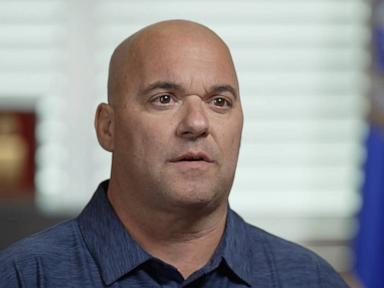
FBI Plea for 9/11 Responders to Register for Health Benefits
This video details the ongoing efforts by federal authorities to encourage former law enforcement personnel to enroll in crucial health screening programs before illnesses progress.