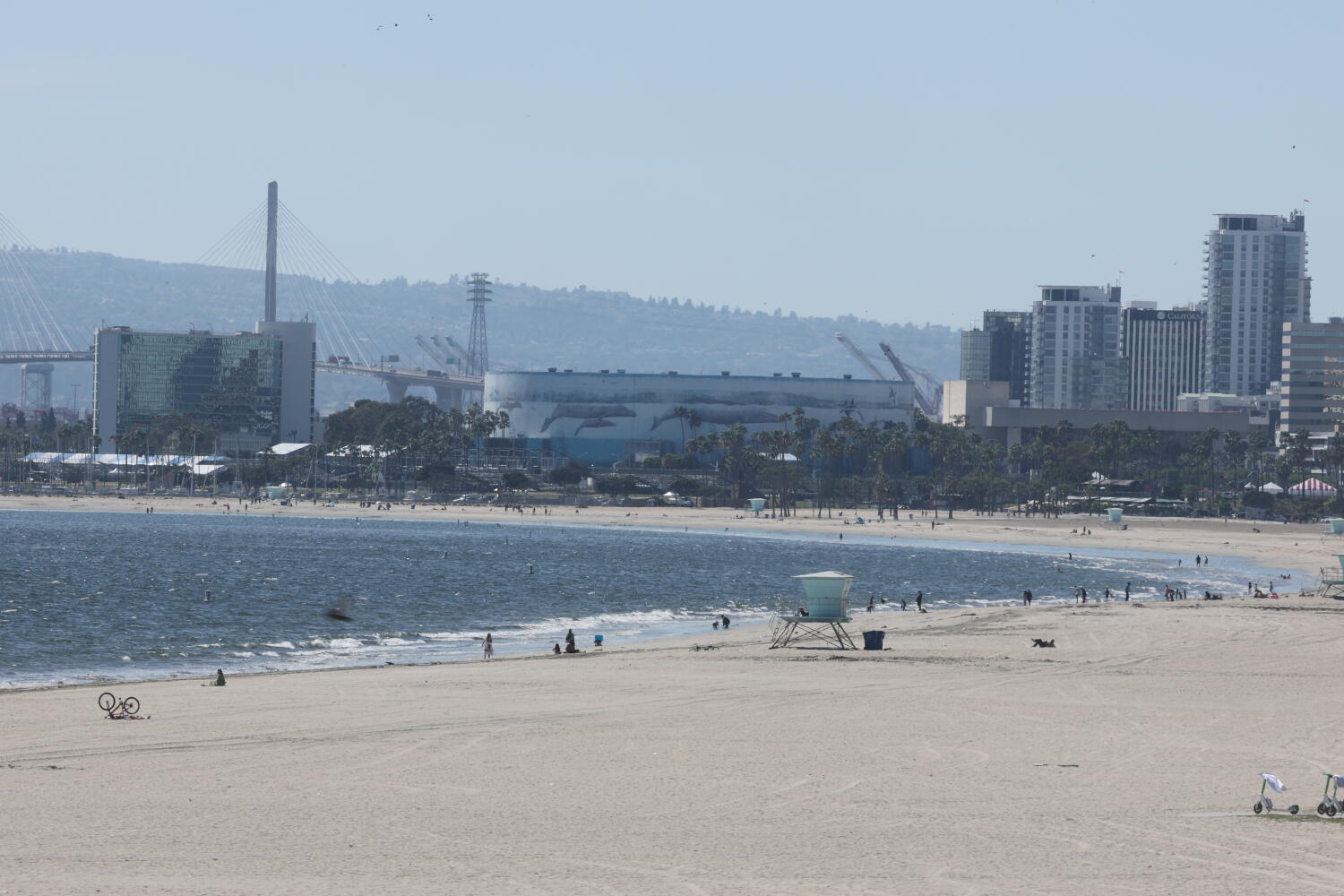
Nobody wants to think about raw sewage when they plan a weekend trip to the beach. But on Friday night, October 30, 2026, roughly 29,000 gallons of wastewater burst from a pressurized line in the Belmont Shore neighborhood, changing weekend plans across Southern California.
The rupture happened right near Livingston Drive and Second Street. Instead of staying contained, the foul-smelling stream made its way directly into the local storm drain network, which empties straight into the ocean. The immediate response from the city was swift and absolute: zero water contact allowed anywhere. Every coastal swimming area, bay, and lagoon from the border to the breakwater was slapped with an emergency closure.
What Actually Caused the Belmont Shore Main Break?
Aging infrastructure does not care about your holiday plans. When a pressurized sewer main—often called a force main—lets go, the volume released in a matter of hours can overwhelm local drainage paths before emergency crews even arrive on the scene.
Long Beach Utilities crews moved fast once the alarm sounded at roughly 6:30 p.m. They managed to stop the active bleeding by rerouting the flow around the fractured pipe segment. Contractors were brought in immediately to vacuum up standing pools and scrub the affected runoff routes. But stopping the leak is only half the battle. Once thousands of gallons of untreated effluent hit marine waters, health officials have zero room for negotiation.
The Immediate Health Risks of Ignoring Beach Closures
You might look at the ocean and think it looks fine. Don't let clear skies fool you. Untreated wastewater carries an unpleasant cocktail of pathogens, including bacteria like E. coli and enterococcus, alongside viruses that cause gastrointestinal illness, ear infections, and skin rashes.
When city health departments issue a blanket ban, they aren't guessing. State water quality mandates require strict bacterial monitoring before any restrictions are lifted. Swimming in water contaminated by a sewage main break is a fast track to a severe doctor's visit.
- Gastrointestinal distress: Swallowing just a small amount of tainted water can cause severe vomiting and cramps.
- Open wound infections: Staph and other opportunistic bacteria thrive in post-spill marine environments.
- Respiratory irritation: Aerosolized droplets near crashing waves can sometimes carry airborne irritants from polluted runoff.
How the City is Handling the Cleanup
Long Beach is no stranger to environmental curveballs, especially given recent struggles with coastal erosion, high tides, and localized flooding. However, a sudden sewage spill introduces a different kind of logistical headache.
Crews are currently monitoring water quality test samples across multiple testing stations. Until back-to-back samples show that bacterial levels have dropped below state health thresholds, the red warning signs stay put.
If you live in the area or planned a coastal visit, check local updates from the Long Beach Department of Health and Human Services before heading out. Respect the posted barriers, keep your pets away from the shoreline, and wait for the official all-clear before stepping foot back into the surf.