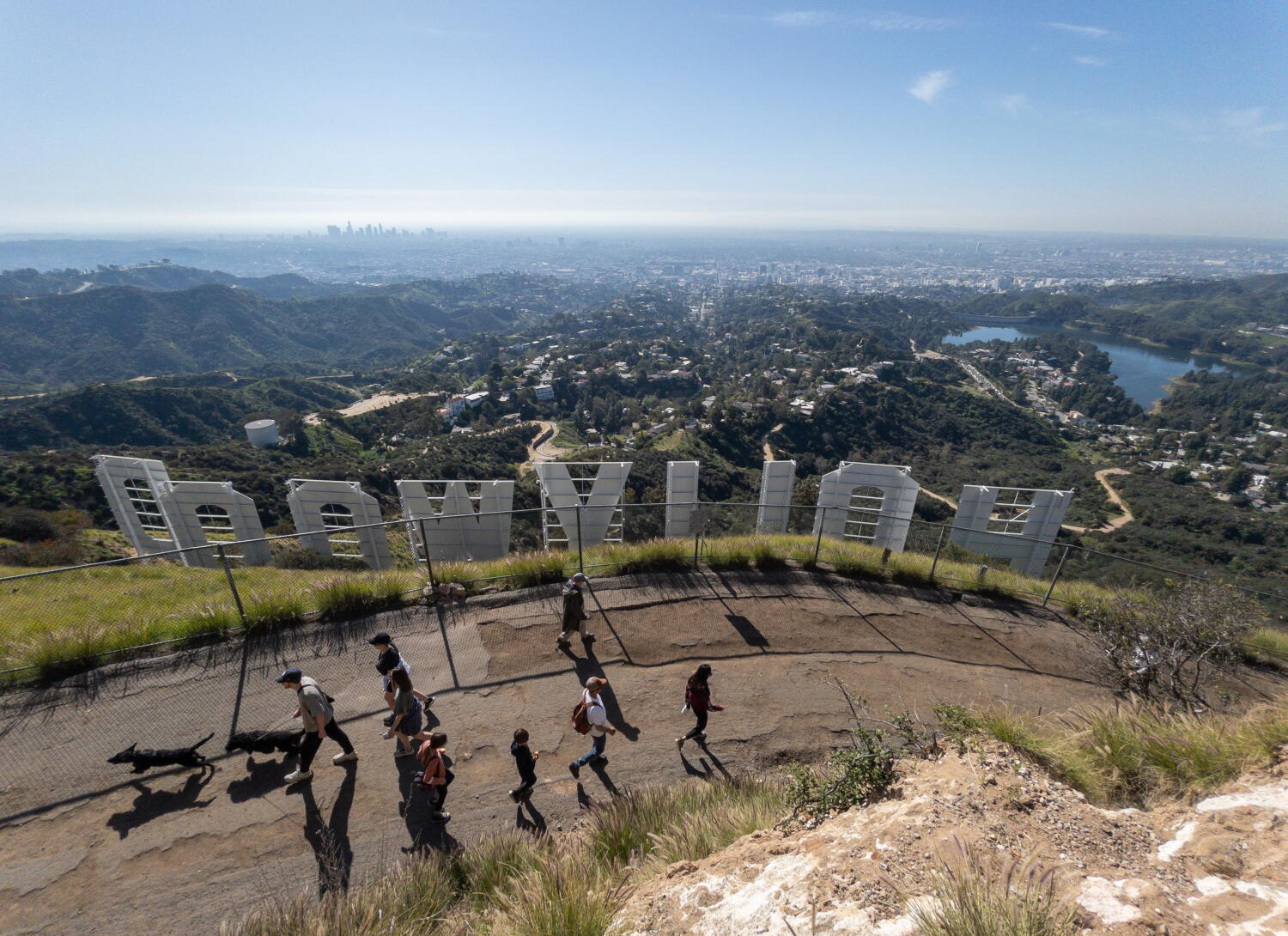
Imagine stepping out onto your front porch to find used diapers, discarded trash, and bottles of urine littering your yard. Picture tourists pounding on your front door, begging to use your private restroom, while a wall of double-parked rental cars blocks fire trucks from reaching your street during a wind-driven wildfire.
That isn't a dystopian fiction scenario. It's the daily reality for residents living in the shadow of the iconic Hollywood Sign. In other developments, we also covered: Why The Pete Hegseth Impeachment Battle Is Only Getting Started.
After years of empty promises and mounting gridlock, neighborhood frustration has officially boiled over into a major public nuisance lawsuit against the city of Los Angeles. Traffic near the landmark has surged dramatically over the last couple of years, transforming quiet residential canyon roads into chaotic, bumper-to-bumper tourist bottlenecks.
When Tourism Turns Into Total Siege
The core problem isn't just that people want to see a famous landmark. It's that the infrastructure supporting the area was never built to handle millions of international visitors hunting for the ultimate selfie spot. The Guardian has also covered this critical issue in great detail.
Residents like local homeowner Sue Cobb report collecting discarded diapers and bottles filled with urine from their properties on a weekly basis. Tourists regularly wander into private yards, choke narrow roadways, and leave behind cigarette butts despite severe fire-danger warnings.
And the wildfire risk is terrifyingly real. During past incidents like the Sunset Fire, evacuation orders were issued while oblivious tourists continued driving up the canyon anyway, clogging lanes and preventing emergency vehicles from getting through. Videos and reports from local investigative teams have documented fire trucks forced to navigate dangerous obstacle courses of abandoned and double-parked vehicles just to reach active flames.
City officials have tried minor patches—like introducing weekend parking restrictions and discussing consulting firm studies—but residents call these measures entirely inadequate. As Cobb bluntly noted regarding the city's sluggish response, it feels like taking an aspirin for a headache when you have a brain tumor.
Taking the City to Court
Tired of pleading with local government for basic safety enforcement, fed-up homeowners teamed up with attorney Ilan Wurman to file public nuisance lawsuits against Los Angeles.
Unlike lawsuits seeking massive financial payouts, this legal action is designed to force the city's hand through an injunction. Plaintiffs want a court order compelling Los Angeles to properly manage public properties and abate the hazardous conditions created by its own tourism marketing.
The legal arguments lean on California statutes governing public nuisances—specifically actions that obstruct the free use of property and interfere with the comfortable enjoyment of life. Legal experts point out that cities can be held responsible when their promotion of tourist hotspots creates unbearable, hazardous impacts on surrounding communities without adequate municipal control.
While Mayor Karen Bass and local Councilmember Nithya Raman have acknowledged that enforcement needs to step up—suggesting options like increased ticketing, towing, and potential public restroom installations—residents remain skeptical. Past promises evaporated as soon as the media spotlight faded.
What Needs to Happen Next
If Los Angeles actually wants to fix this crisis before a catastrophic fire tragedy occurs, symbolic wrist-slaps won't cut it. The city needs a hard-line approach modeled after international tourist management strategies.
- Aggressive Traffic Restrictions: Implement hard road closures at critical entry points like Canyon Lake Drive, permitting only residents and emergency vehicles past specific gates.
- Zero-Tolerance Towing: Immediately tow any vehicle blocking fire lanes or private driveways without waiting for a complaint call.
- Dedicated Infrastructure: Build proper public restrooms and visitor centers far away from narrow residential corridors to cut down on human waste and trespassing.
Until the city treats neighborhood safety with the same urgency it gives to tourist revenue, residents will keep fighting in court to take their streets back.
Hollywood Sign Neighbors Sue L.A. as Traffic Doubles in Two Years
This video explores the chaotic traffic conditions and public health hazards that led Hollywood Hills residents to take legal action against the city of Los Angeles.