When a disaster strikes with the sheer ferocity of the August floods in Nepal, finding survivors becomes a desperate race against time. Weeks blur into months, hope dwindles, and officials face impossible decisions.
Nepal has officially pulled the plug on active search and rescue operations for the thousands still missing after catastrophic floods that began near the Tibet border. With a confirmed death toll hitting at least 1,455 and over 5,285 people still unaccounted for, the government is shifting gears. The heavy machinery and rescue teams are stepping down, making way for a massive, daunting transition toward long-term recovery and rehabilitation. Don't miss our recent coverage on this related article.
If you are wondering why authorities would halt searches while thousands remain missing, the reality on the ground is stark. As Phanindra Paudel, chief of Nepal's National Emergency Operation Centre, pointed out, the mission has entered a completely different chapter. You can't keep pulling people from rubble indefinitely when entire towns are wiped out, infrastructure is shattered, and thousands of survivors are living in temporary shelters without basic necessities.
The Scale of Destruction You Need to Understand
The numbers tell a staggering story of loss and devastation. Back in late August, flash floods triggered by extreme weather and glacial conditions slammed communities near the China border. By the time the waters began to recede, roughly 13,795 people had been safely pulled from danger by emergency personnel, local volunteers, and security forces. To read more about the context of this, The Washington Post offers an excellent summary.
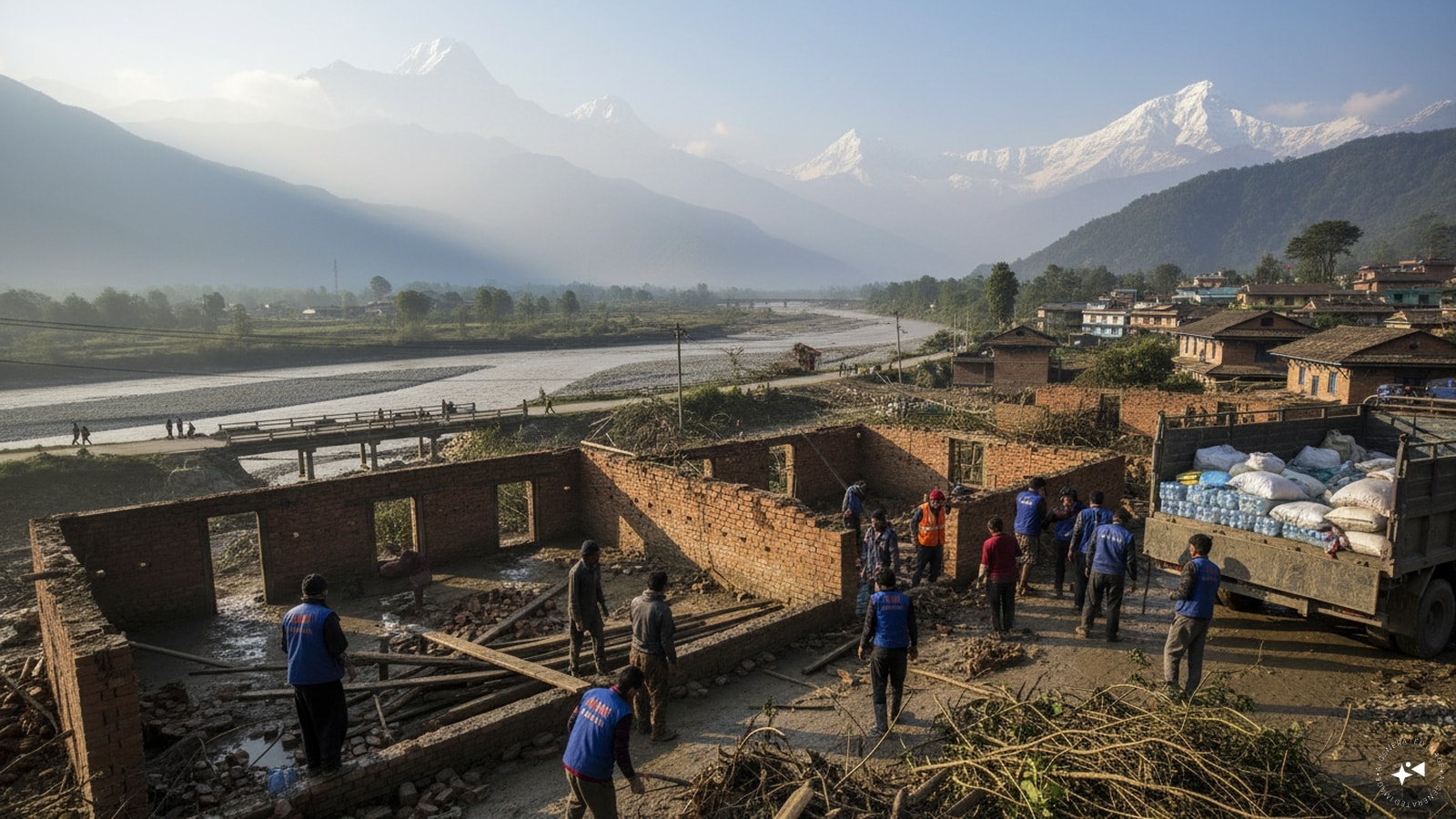
Yet, the aftermath left behind a broken country. Twelve major hydropower facilities were heavily damaged or knocked offline, throwing energy grids into chaos. Roads crumbled, bridges vanished into swollen rivers, and agricultural fields were buried under layers of thick mud and debris.
Estimates suggest that Nepal needs nearly $5 billion just to fund urgent reconstruction and rehabilitate displaced families. That is an astronomical price tag for a developing nation already grappling with economic pressures. Rebuilding isn't just about pouring concrete or laying asphalt; it is about restoring livelihoods for farmers who lost their lands, business owners whose storefronts washed away, and families who lost everything overnight.
Why Shifting to Rehabilitation is the Only Option Left
Search and rescue operations require an immense amount of daily resources, coordination, and physical manpower. Continuing those efforts indefinitely diverts crucial funds and attention away from living survivors who desperately need roofs over their heads, clean drinking water, schools for their children, and medical care.
When you look at past catastrophic floods globally, a painful truth emerges. There comes a point where lingering in the rescue phase stalls recovery. Families need closure, but they also need food, shelter, and financial aid to survive the coming winter months. Shifting focus means the government can redirect personnel toward clearing blocked trade routes, stabilizing damaged hillsides, and constructing permanent housing settlements.
What Happens Next for Displaced Communities
Rehabilitation in the wake of such a disaster is a marathon, not a sprint. The immediate priority is temporary housing transformation into permanent settlements, disease prevention in crowded camps, and restarting local economies.
You will likely see international aid organizations stepping up coordination with local authorities to distribute cash grants, seeds for farmers, and materials to rebuild homes away from high-risk flood zones. Relocation is going to be a massive point of contention. Rebuilding in the exact same river valleys invites another catastrophe during the next monsoon season. Experts are pushing hard for climate-resilient urban planning, but implementing those changes while people are still grieving is an uphill battle.
The focus in Nepal has pivoted from who is missing to how the living will survive. The real test of governance begins now.