Power plays, hidden sabotage, and high-stakes diplomacy just collided in North Africa. Plans to stitch a fractured Libya back together are hanging by a thread after investigators linked a powerful warlord's son to a coordinated drone bombing campaign on critical energy infrastructure.
If you've been watching the diplomatic chess match between Tripoli and the eastern strongholds, you know stability is fragile. But this recent escalation changes everything. It exposes the deep cracks in international attempts to broker an elite power-sharing deal, leaving millions of ordinary citizens to deal with the fallout of blackouts and blazing fuel tanks.
The Drone Strikes That Shattered the Peace
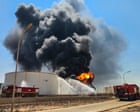
August brought a wave of silent terror to western Libya. Drones targeted the vital Zawiya oil station, turning a massive gasoline-storage tank into a towering inferno. That single blast destroyed approximately 4.5 million litres of fuel and collapsed the structure entirely, according to the National Oil Corporation.
The attacks weren't just random acts of violence. They arrived during peak summer heat, intentionally worsening electricity blackouts and stoking intense public fury against Abdul Hamid Dbeibah’s Government of National Unity (GNU). Behind closed doors, officials realized the strikes were meant to cripple the western administration from within.
The plot unraveled quickly in September. Security forces in southern Tripoli arrested three Libyan nationals and a Spanish citizen tied to an ongoing conspiracy that allegedly aimed to strike Tripoli airport next. Those detained Libyans trace their allegiance straight to the Tareq ben Ziyad brigade, an elite unit operating under the banner of Khalifa Haftar’s Libyan National Army (LNA).
Intelligence gathered from these arrests proved damning. Officials inside the GNU now state flatly that working with Saddam Haftar—Khalifa Haftar’s deputy commander and presumptive heir—is entirely off the table.
The US Backed Merger Plan Hits a Wall
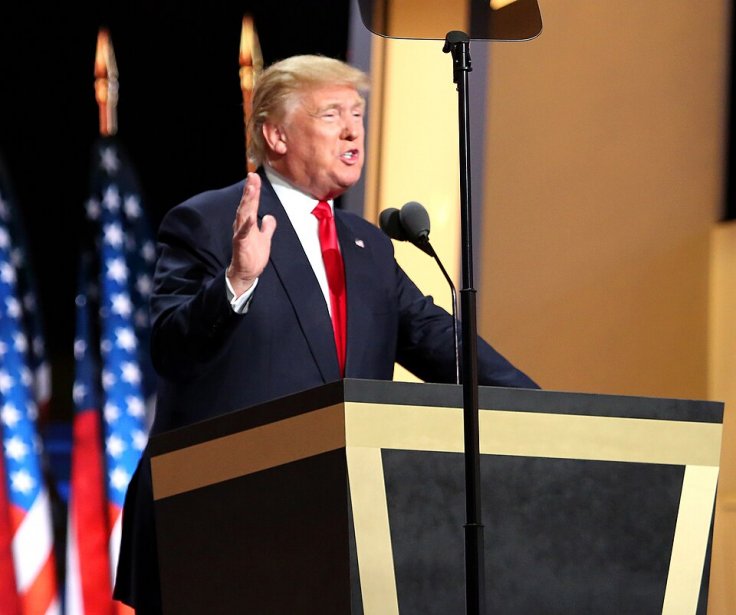
The timing couldn't be worse for Washington's diplomatic ambitions. Donald Trump's Africa adviser, Massad Boulos, had been pushing a controversial executive arrangement designed to merge the rival administrations. The blueprint envisioned Khalifa Haftar taking the presidency in the east while a member of the Dbeibah family secured the prime ministerial seat in the west.
Boulos defended the architecture of the agreement by arguing it moves past mere names and families to establish functional governance. But the sabotage operation exposed the fatal flaw of relying on strongmen to deliver democracy.
Insiders report that Saddam Haftar ordered the drone strikes out of sheer frustration. He was furious that Dbeibah appeared to be dragging his feet on the Boulos merger deal. Adding fuel to the fire, Tripoli allegedly backed southern tribes in staging attacks against LNA positions. Rather than negotiating in good faith, the factions reverted to brute force.
Fractures Within the Haftar Dynasty
The fallout from the sabotage investigation reaches far beyond the stalled Tripoli negotiations. It threatens to blow wide open the internal power struggle among Khalifa Haftar's three sons.
Saddam has long held the upper hand. He commands the most resources, maintains close ties with the United Arab Emirates, and dominates political maneuvering. Yet his brothers, Khaled and Belqasim, maintain stronger alignments with Egypt.
When a commander's inner circle gets exposed for running domestic terror cells against energy grids, international patrons start asking hard questions. This scandal hands leverage directly to Saddam's rivals within his own family. It weakens his bid to succeed his aging father and complicates parallel United Nations efforts, such as the 4+4 talks designed to stage national elections within two years.
Walid Ellafi, the GNU minister of state for political affairs, made it clear that genuine progress cannot bypass historic injustices. A quick fix that hands power to elite families while ignoring the displacement of 9,000 Benghazi families from the 2014 war is a recipe for renewed civil conflict.
Libya's path forward requires accountability, not recycled warlords cutting backroom deals. Until international mediators stop treating armed factions as legitimate statesmen, the country's energy infrastructure will remain a target and unity will stay out of reach.