Panic spreads fast in Washington when intelligence leaks hit the airwaves. A recent report claimed that US security agencies are tracking a potential Iranian plot to detonate a chemical or radiological dirty bomb inside the US capital. Tehran didn't waste a single second responding. Iranian officials slammed the claims as completely fabricated, comparing the intelligence leaks to vintage Iraq War-style propaganda designed to manufacture consent for further aggression.
When you strip away the political posturing, the core issue is how intelligence and media narratives collide during active geopolitical conflicts. US officials quoted in the original reports noted that the intelligence didn't point to an imminent attack. Instead, they suggested it was part of Iran exploring contingency options. Yet, the psychological impact on the public was immediate.
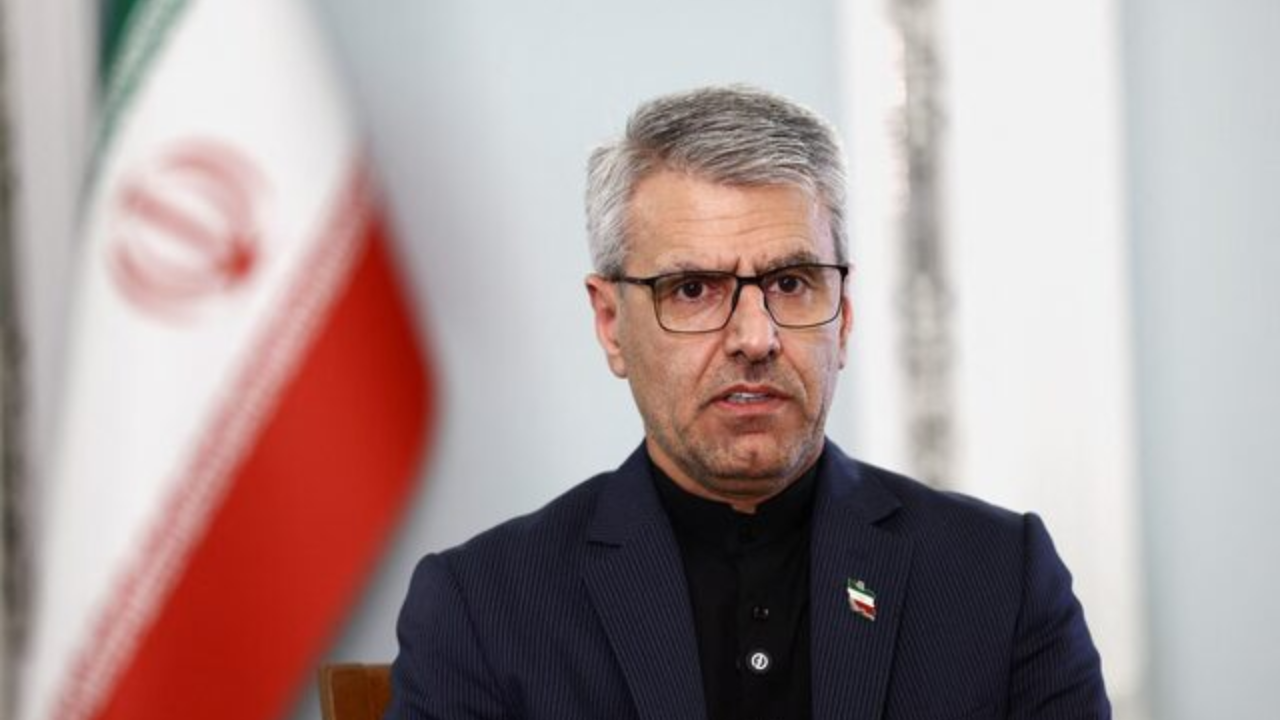
Iranian Foreign Ministry spokesperson Esmaeil Baqaei didn't mince words, stating on social media that nations pushing aggression are laying the groundwork for hostile designs through manufactured narratives. Meanwhile, Foreign Minister Abbas Araghchi doubled down, calling the narrative an explicit attempt to mislead the public. On the American side, the White House maintained a stance of cautious vigilance while noting there are no active, credible threats directly targeting the homeland at this moment.
This friction highlights a massive vulnerability in modern national security reporting. Intelligence leaks regarding catastrophic threats—whether involving chemical agents or radiological dispersal devices—tend to spiral out of context. A raw intelligence intercept meant to map out speculative worst-case scenarios quickly morphs into public panic. Security analysts point out that while hostile states routinely game out extreme retaliatory options, actual execution requires infrastructure, risk calculations, and operational steps that differ wildly from early-stage brainstorming.
The exchange also arrives against the backdrop of stalled diplomatic channels and ongoing regional clashes. With tensions remaining volatile across the Middle East, every piece of leaked intelligence carries immense weight. Whether these specific threat assessments represent genuine operational intent or standard intelligence paranoia, the speed at which they shape international relations proves that the information war is just as fierce as any physical conflict.
Evaluating these high-stakes claims requires looking past the sensational headlines. Intelligence agencies deal in possibilities, while governments deal in optics. When unverified leaks leak to the press, the line between strategic assessment and public deterrence blurs entirely. Keep a close eye on how official policy develops rather than reacting to every alarming broadcast.