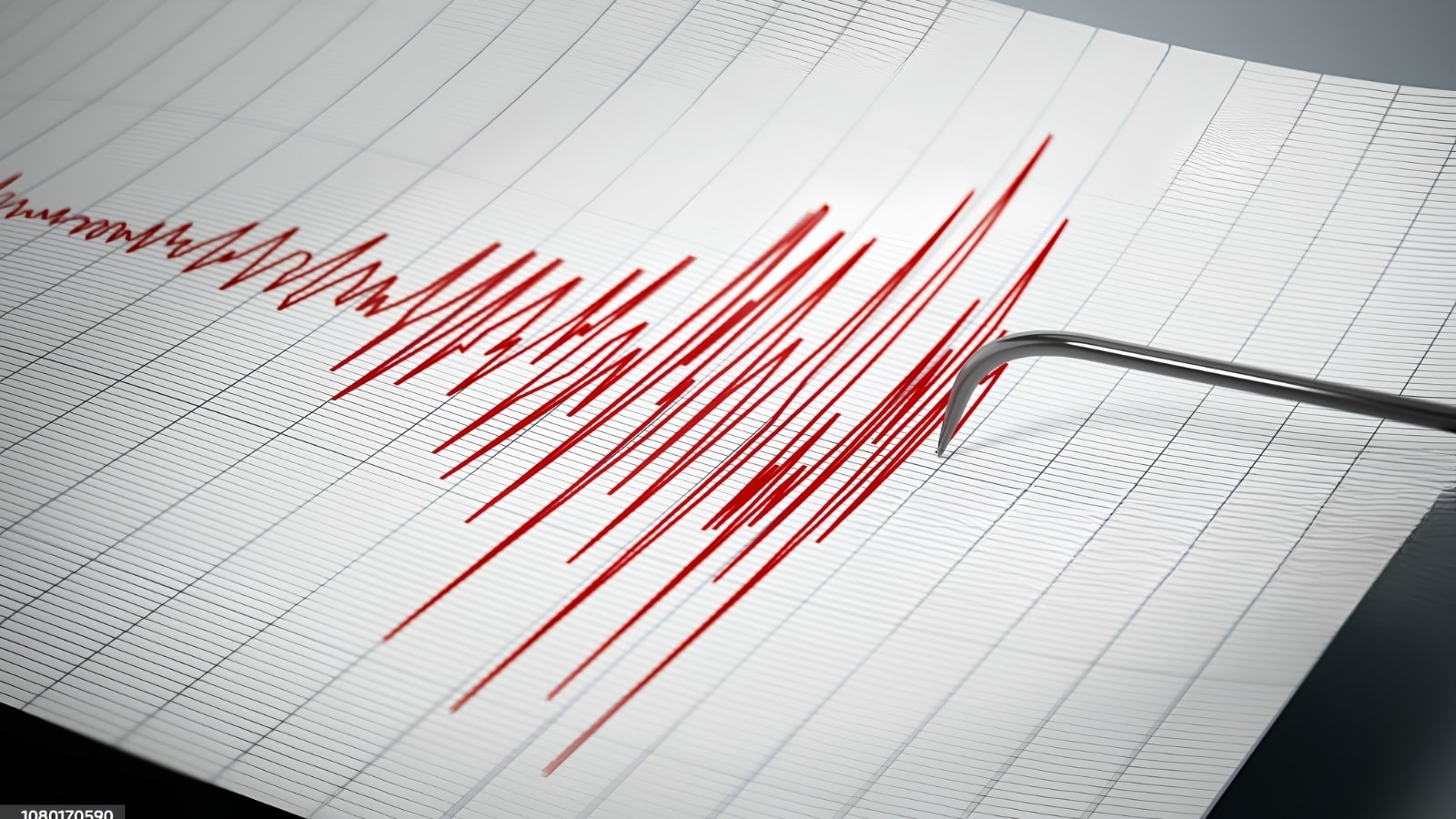
An early morning jolt across eastern Japan proved that you don't need a catastrophic mega-quake to disrupt millions of lives. A magnitude 5.9 earthquake struck southern Ibaraki prefecture at a depth of 70 kilometers, sending sharp, sudden tremors through the Tokyo metropolitan area.
If you live outside of earthquake country, a 5.9-magnitude temblor sounds terrifying. In Japan, it is typically handled as routine background noise. Yet this specific event managed to injure at least 37 people across five prefectures, rupture a municipal water line, and trigger transit delays.
Let's look at what actually happened, why injuries spiked from something "moderate," and what this means for regional safety.
The Reality Behind the Numbers
The Japan Meteorological Agency measured the tremor at 5.9, while the U.S. Geological Survey logged it at 5.8. Epicentered in Ibaraki prefecture, the shaking hit hard enough to trigger emergency mobile alerts across Tokyo, Saitama, Kanagawa, and Chiba.
Here is what most casual news reports miss: earthquake injuries rarely come from collapsing skyscrapers in modern Tokyo. Strict building codes keep structural failure rare. Instead, injuries happen because of panic and residential physics.
Out of the 37 reported injuries, the vast majority were minor bruises, cuts, or falls. People woke up to blaring phone alarms, scrambled in the dark, and tripped over furniture or tumbled out of bed. For instance, an elderly woman in Yokohama suffered a severe hip fracture after falling straight off her bed. Another shopper in Taito ward reported bracing for falling retail merchandise as the building swayed violently.
Infrastructure Resilience and Immediate Aftershocks
Japan's modern infrastructure absorbs blows remarkably well, but minor systemic weak spots still surface during sudden events.
Power grids experienced localized failures, leaving roughly 460 homes in Tokyo temporarily blacked out before TEPCO restored electricity later that morning. In Koto ward, an underground water pipe ruptured, sending a geyser of water spilling onto the street before repair crews shut off the flow.
Transport networks saw minor friction. Express rail lines connecting central Tokyo to Narita Airport suffered delays, alongside regional northeastern routes. Fortunately, the vital Shinkansen bullet train network kept running on schedule, preventing a massive transit gridlock.
Crucially, the Nuclear Regulation Authority confirmed zero anomalies across a dozen atomic energy facilities in the impact zone. There was also no tsunami threat.
Why This Tremor Matters Now
Timing dictates public reaction. This event hit just weeks after a devastating 7.1-magnitude disaster struck Kumamoto on the southern island of Kyushu, which claimed dozens of lives and damaged thousands of structures.
Because public nerves were already frayed, mobile alerts triggered an instant spike of anxiety. The meteorological agency has since issued advisories warning residents across eastern Japan to stay alert for similarly moderate aftershocks over the coming week.
If you are traveling to Tokyo or monitoring regional safety, don't ignore the mundane risks. Secure heavy bedroom furniture, keep shoes near your bed to avoid glass fragments, and understand that minor tremors can still cause major chaos if you aren't mentally grounded when the alarms sound. Stay alert and keep your emergency kit updated.