Another child is paralyzed. Another statistic is added to a stubborn global failure.
Pakistan just recorded its ninth wild poliovirus case of 2026, centering the crisis once again in the rugged terrain of Khyber Pakhtunkhwa. A seven-month-old infant from the Bara tehsil of the Khyber district tested positive, pushing the national tally upward and reigniting urgent questions about why eradication efforts continue to stall in this specific pocket of South Asia.
If you look closely at official briefings from the National Emergency Operations Centre, the story isn't just about a single infected baby. It is about an entrenched epidemiological corridor running right across a porous international boundary.
The Cross Border Reality Nobody Wants to Fix
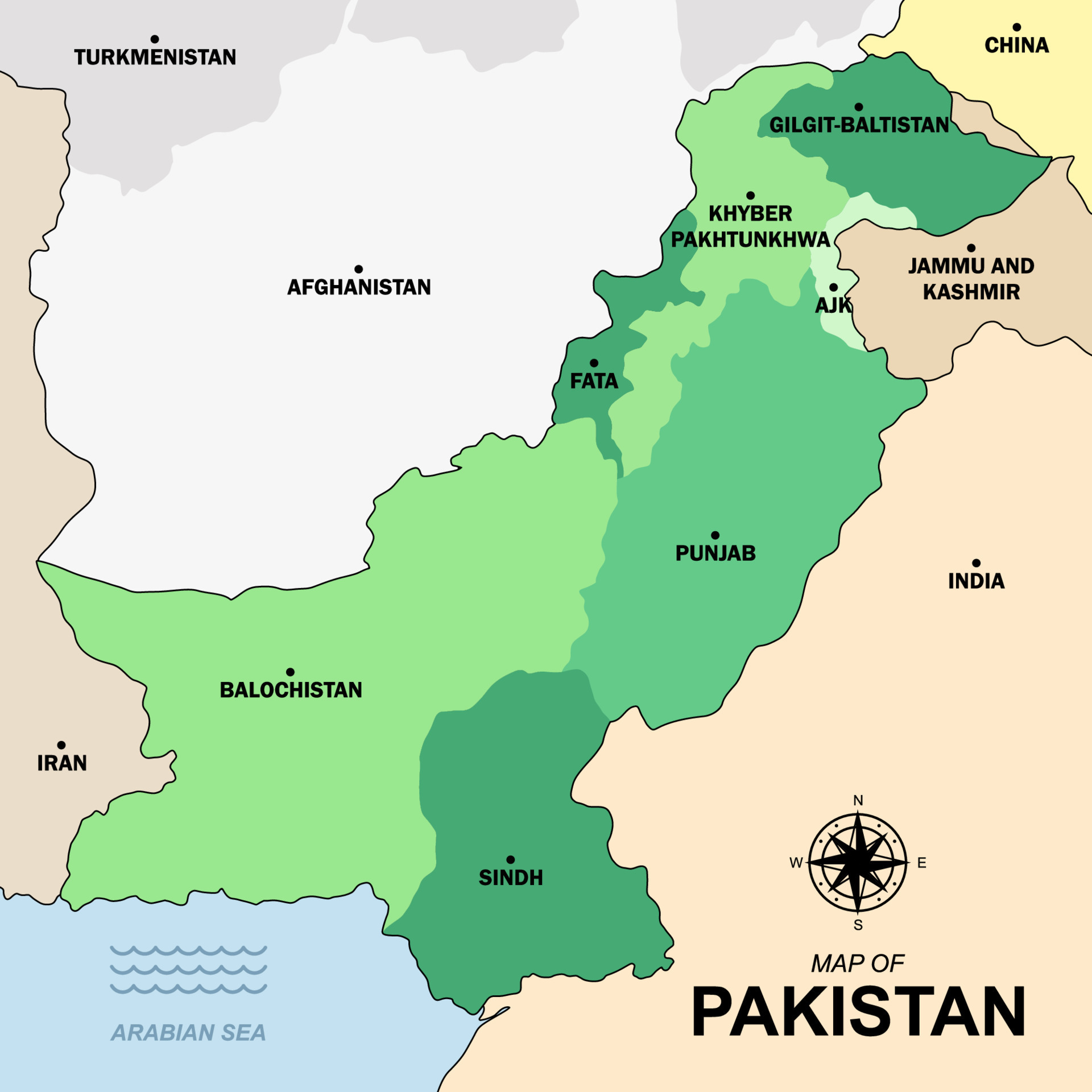
Out of the nine cases recorded nationally this year, seven are concentrated entirely within Khyber Pakhtunkhwa. Three hail from Khyber district, three from Bannu, and one from North Waziristan. The remaining two sit in Sindh, split between Karachi East and Sujawal.
Here is what public health analysts track as the primary driver behind this persistent cluster: genetic sequencing confirms that the virus strains found in the Khyber district cases originate directly across the border in Afghanistan.
Afghanistan is currently battling a severe outbreak of its own, tallying dozens of cases in 2026. Because families, nomads, and traders move back and forth constantly through mountain passes and checkpoints, the virus travels seamlessly with them.
You cannot vaccinate a moving target effectively when health teams face operational hurdles on the ground.
Why Eradication Fails on the Ground
Stopping wild poliovirus requires a simple mathematical reality. You need continuous, high-coverage oral polio vaccination campaigns that reach every single child under five years old, round after round, until the transmission chain starves out.
In reality, ground conditions are brutal.
Frontline health workers face severe security risks, logistical nightmares in remote mountainous zones, and occasional local resistance fueled by misinformation or political friction. Security forces deployed to protect immunisation teams are frequently targeted by militant factions operating in the borderlands. When vaccinators cannot enter an area safely, coverage drops. When coverage drops, the virus finds its window.
Prime Minister meetings in Islamabad routinely demand coordinated eradication blueprints within tight deadlines, but strategy documents mean very little if a field worker cannot walk safely into a village in Bara or Waziristan.
The Regional Divide Within Pakistan
Zoom out and the geography of the outbreak tells a fascinating, starkly divided story.
While Khyber Pakhtunkhwa and pockets of Sindh fight active transmissions, other regions tell a different tale. Punjab has recorded zero new polio cases since February 2025. Balochistan managed to stay entirely free of reported cases through both 2025 and 2026. Azad Jammu, Kashmir, and Gilgit-Baltistan remain clean.
This means the virus isn't a nationwide epidemic sweeping through downtown Lahore or Quetta neighborhoods anymore. It is localized, hyper-endemic to specific high-risk corridors where population movement, sanitation gaps, and security vulnerabilities converge.
Environmental surveillance data offers a glimmer of hope, showing that poliovirus quantities detected in urban sewage samples across Sindh have actually declined overall this year. Yet, environmental drops in the south do little to comfort families in the northwest where actual paralysis cases keep emerging.
What Needs to Happen Now
Pakistan and Afghanistan remain the last two countries on earth where wild poliovirus stubbornly refuses to die. As long as transmission survives on either side of that porous frontier, every child everywhere remains at risk of a preventable, lifelong crippling disease.
Fixing this isn't about launching another glossy awareness campaign in Islamabad. It requires joint surveillance synchronization between Kabul and Islamabad, foolproof security corridors for frontline health workers, and absolute community engagement that bypasses local distrust.
Until cross-border synchronization becomes a daily reality instead of a diplomatic talking point, expect more tragic announcements from Khyber Pakhtunkhwa.