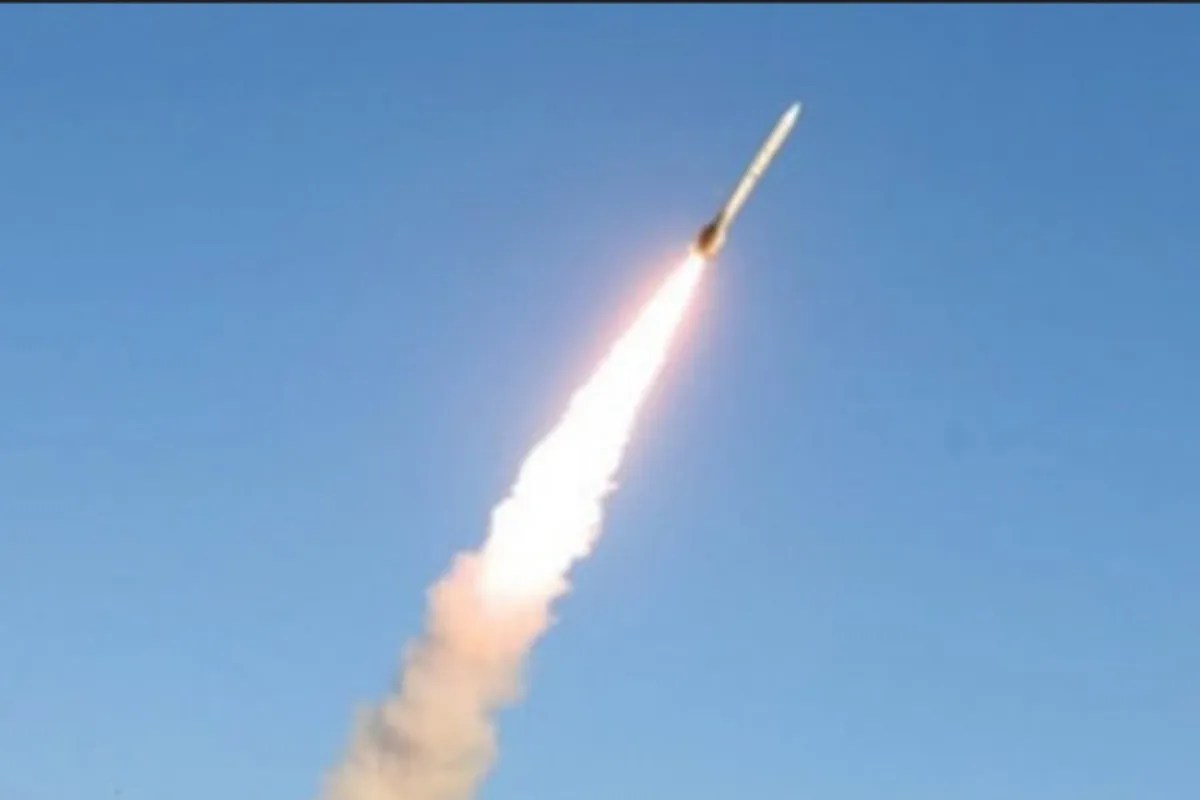
Geopolitical friction in the Middle East rarely stays quiet for long. If you've been tracking headlines out of the Persian Gulf, you already know that narratives change by the hour. Tehran recently claimed that its integrated air defense systems successfully targeted and damaged a U.S. F-16 fighter jet, forcing the pilot into an emergency landing.
Predictably, Washington pushed back hard. The U.S. Central Command (CENTCOM) flatly dismissed the report as false, maintaining that all American military aircraft operating across the region remain completely safe and accounted for. When two heavily armed adversaries offer completely contradictory versions of the exact same event, separating the political posturing from reality requires looking closely at the broader context of the Strait of Hormuz.
Behind the Claims and Counterclaims
The latest incident broke out after Iranian state media and military spokespersons released statements asserting that a missile detonated close to an American F-16, inflicting structural damage. According to these reports, the pilot had to abort the mission midway and rush toward the nearest regional airstrip.
At the same time, high-ranking military officials within the Islamic Revolutionary Guard Corps (IRGC) used the moment to project strength, touring underground missile infrastructure and issuing aggressive warnings to Western allies.
On the other side, CENTCOM took to social media to shut down the narrative instantly. Their public statement was unequivocal: no U.S. F-16 was attacked or downed. In modern gray-zone warfare, information is just as valuable as ordnance. Both sides have clear incentives to shape public perception. Tehran wants to project deterrence and prove that its domestic air defense network can challenge Western military dominance. Washington needs to project absolute operational readiness and deny any vulnerability in contested airspace.
Why the Strait of Hormuz Remains a Flashpoint
You can't understand this standoff without looking at the geography. The Strait of Hormuz is a narrow maritime bottleneck through which a massive portion of the world's petroleum passes. Right now, it's a high-stakes chessboard. Maritime traffic faces constant hazards, commercial vessels encounter sea mines, and regional patrols operate on a razor-thin margin of error.
When military aircraft patrol these skies, tracking systems lock onto targets within seconds. Miscalculations happen. But whether an actual engagement occurred or a routine intercept was blown out of proportion for domestic political consumption, the underlying tension is real. Diplomatic tracks remain frozen. Washington is pushing for permanent constraints on Iran's nuclear ambitions, while Tehran continues to signal that it will aggressively contest any economic blockade or perceived airspace violation.
What Happens Next in the Region
Don't expect this rhetoric to cool down anytime soon. As long as economic pressures and naval blockades persist in the Gulf, tactical encounters will keep happening—or at least keep being claimed by state media.
The gap between what governments announce and what actually occurs on the ground highlights the fragility of modern deterrence. Whether this specific F-16 incident was a near-miss or total fiction, it underscores a dangerous reality: the Persian Gulf is sitting on a hair-trigger, and neither side is backing down.