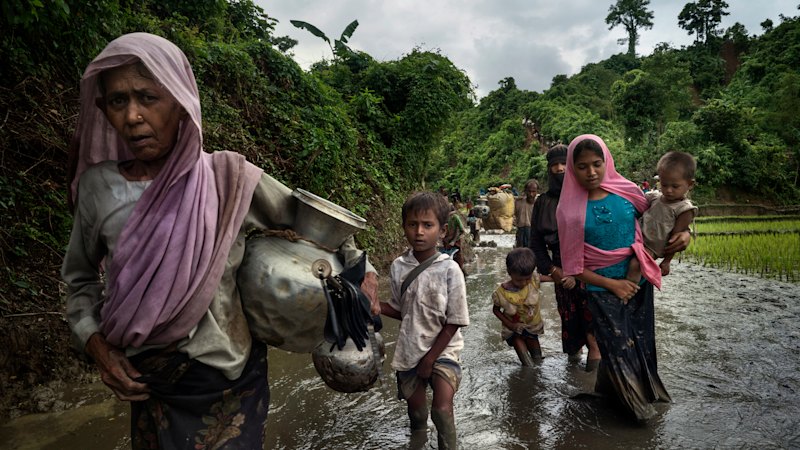
For nearly a decade, hundreds of thousands of Rohingya refugees have lived in the sprawling, congested camps of Cox's Bazar waiting for a legal reckoning that many thought would never come. When the International Court of Justice delivered its historic verdict finding Myanmar guilty of genocide, tears broke out across the bamboo shelters. But beneath the immediate relief lies a much harder truth about international law, justice, and what happens the morning after a court makes a landmark decision.
The Weight of the Verdict
The court's decision isn't just another diplomatic slap on the wrist. It marks a foundational moment in global accountability. The judges ruled that Myanmar's military and state apparatus acted with the specific intent to destroy the Rohingya population in northern Rakhine State during the brutal 2017 clearance operations. For another perspective, consider: this related article.
Think about what that means. Over 740,000 people were forced across the border into Bangladesh within weeks, carrying stories of systemic violence, burned villages, and targeted executions. For years, Myanmar's leadership—spanning from Aung San Suu Kyi's civilian administration to the military junta that seized power in 2021—denied these charges, framing the atrocities as routine counter-terrorism measures against insurgents. The ICJ ripped apart that defense, establishing that actions violating the Genocide Convention cannot be handwaved away as standard border security.
Why Survivors Are Cautious
If you walk through the camps in Bangladesh today, you won't just see celebration. You'll see deep, entrenched skepticism. Refugees like Syed Qasim and activist voices like Mujibur Rahman have pointed out a glaring gap in the international framework: legal accountability is a world away from safe repatriation. Related reporting on the subject has been shared by NPR.
The court has ordered Myanmar to cease violations, punish perpetrators, and provide reparations. Yet the practical reality on the ground remains hostile. The military junta still controls large portions of Myanmar, conditions in Rakhine State are more volatile than ever, and formal citizenship rights remain stripped away under the discriminatory 1982 citizenship framework. Winning a case at the Hague doesn't automatically open the gates for half a million refugees to walk back home with full security and dignity.
The Enforcement Problem
The biggest misconception people have about the ICJ is that it functions like a domestic police force. It doesn't. The court has no independent enforcement mechanism.
If Myanmar ignores the ruling, enforcement shifts to the political arena—primarily the United Nations Security Council, where geopolitical divisions and potential vetoes frequently paralyze decisive action. This means the burden falls squarely back onto individual nations, neighboring countries like Bangladesh, and international bodies to maintain diplomatic and economic pressure. Without sustained, aggressive international leverage, a brilliant legal victory risks remaining a piece of paper.
What Happens Next
The global community faces a severe test of follow-through. Funding for refugee food rations and basic infrastructure in camps has dwindled over recent years, leaving communities more vulnerable. Concerned governments must use bilateral channels, sanctions against the junta, and targeted support for Rohingya leadership to turn a judicial finding into structural change.
Justice isn't an event; it's a grinding, multi-year process. The Rohingya have proven they can wait out a decade of exile, but their fight for a recognized home is only entering its next phase.
Rohingya survivor recounts Myanmar military crackdown and plea for justice
This video highlights the personal perspective of a Rohingya survivor reflecting on the military crackdown and the ongoing fight for justice.