Why the Lakers Fourth Quarter Surge Against the Jazz Means More Than Just Payback
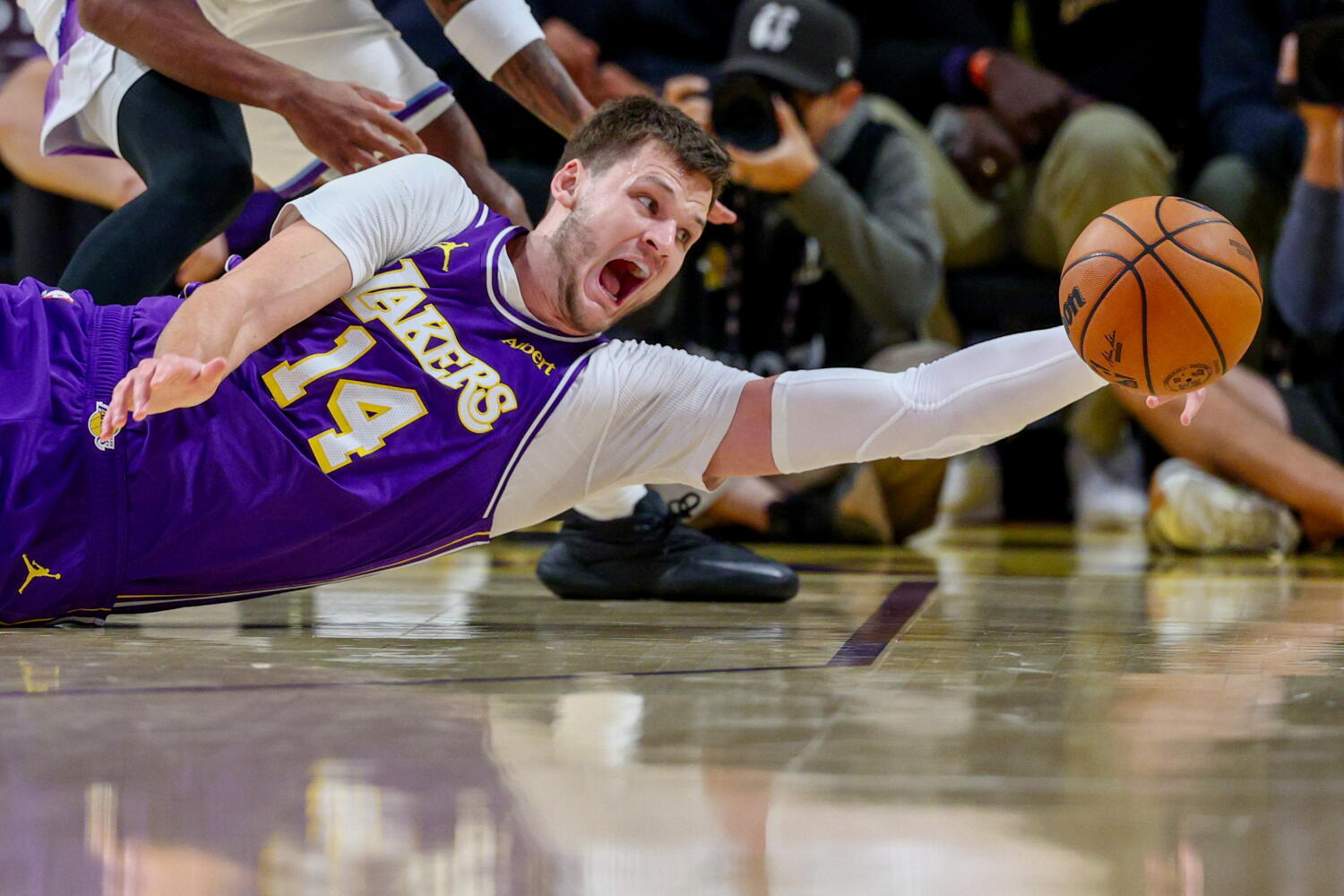
A Lakers fourth quarter surge turned a sluggish Monday night grind at Crypto.com Arena into a 109-94 statement win over the Utah Jazz on November 23, 2026. Los Angeles improved to 15-3 and notched its 11th victory in 12 games, avenging a streak-snapping loss to Utah from earlier in the month.
If you only glance at the final score, you might think Luka Doncic shot the lights out and carried the night on his own. He didn't. Doncic went 8-for-24 from the field and 3-for-14 from three-point range, though he still finished with 28 points and eight assists. As a team, JJ Redick's squad hit just 12 of 42 threes.
Honestly, that's the whole point. A few seasons ago, a cold shooting night like that meant a long, frustrating loss in Los Angeles. Now? The Lakers locked in defensively, ran the floor, and outscored Utah 31-17 in the final period to pull away cleanly.
What the Competitor Recap Missed About This Win
Standard game recaps usually follow the same script: star player scores near 30, team pulls away late, win streak rolls on. That surface-level framing misses what actually separates a 15-3 contender from a hot November mirage.
First, look at how much adversity Los Angeles worked around. Austin Reaves missed his fifth straight game with a left heel bruise. Doncic dealt with first-half foul trouble and inefficient perimeter shooting. Early on, both teams traded sloppy stretches—the Lakers had 10 first-half turnovers and shot just 25% from deep in the opening two quarters, while Utah shot 36.7% overall and 12.5% from three before halftime.
Second, the game wasn't a runaway from start to finish. Los Angeles jumped out to a 30-20 lead after one quarter behind 14 early points from Doncic and built a 16-point cushion in the first half. Yet Utah punched right back with a 15-3 run out of halftime to grab a lead, and the Lakers entered the fourth holding only a razor-thin 78-77 edge.
That fourth-quarter answer—a 31-17 closeout—is what matters most. Instead of panicking when shots rimmed out, Los Angeles leaned into defense and transition play. They finished with a 26-9 edge in fast-break points and a 20-7 advantage in points off turnovers. You don't manufacture that kind of fourth-quarter separation on luck alone.
How Defense and Role Players Anchored the Run
When your star guard is 3-for-14 from three, someone else has to keep the engine humming. Against Utah, the supporting cast did real heavy lifting on both ends.
Jake LaRavia put together a season-high 15 points along with 10 rebounds and two steals. Considering how often rebounding can slip when lineups shift, his work on the glass gave the Lakers extra possessions when half-court looks bogged down. Walker Kessler chipped in a double-double with 10 points, 12 rebounds, and two blocks, anchoring the paint against Utah's frontcourt, which got 21 points and 12 rebounds from Kyle Filipowski and 18 points from Ace Bailey.
Off the bench, Matisse Thybulle gave Los Angeles 14 points, two steals, and two blocks. Collin Sexton added 12 points, and rookie Cameron Carr got valuable minutes as Redick looked for ways to keep fresh legs on the floor.
What stands out most is the defensive identity taking shape. According to game coverage from The Sporting Tribune, the Lakers recorded at least 10 steals and six blocks for the sixth time this season—an NBA-leading mark—and moved to 6-0 in those outings. Even with prospective new owners Josh Kushner and Bob Iger watching alongside team governor Jeanie Buss, the basketball story on the floor was all about grit, active hands, and disciplined late-game execution.
Why Three-Point Shooting Is Still a Real Question
I'm high on what this team has built so far, and tying for the NBA's best record at 15-3 isn't accidental. Still, I'm not going to pretend the perimeter shooting isn't a flaw worth watching.
Going 12-for-42 from three (28.6%) against a 3-16 Jazz club is survivable. Doing that against elite Western Conference defenses in a seven-game series? Much trickier. When teams pack the paint or force Doncic into tough step-backs, clean kick-out threes have to fall at a higher clip so the offense doesn't stall in stretches.
There's also a debate among fans and analysts about shot distribution when Doncic has an off shooting night. High-usage stars naturally take difficult shots, and his playmaking (eight assists) still creates plenty of looks for teammates. Even so, finding smoother rhythm early in games—and cutting down on sloppy early turnovers—will make life a lot easier than playing from behind after a third-quarter push.
What This Means Before San Antonio and Reaves' Return
Two immediate storylines sit right in front of the Lakers.
First, Austin Reaves is trending in the right direction. Redick noted after the game that Reaves participated in the Lakers' stay-ready games on Monday and moved well as he works back from his left heel bruise. Getting a steady secondary creator and shooter back into the rotation will take pressure off Doncic and balance out the perimeter attack.
Second, Friday's NBA Cup group play finale in San Antonio against the Spurs is a genuine measuring stick. With both clubs sitting right at the top of the league standings, that matchup will test whether Los Angeles's fourth-quarter defense and transition edge travel against top-tier competition.
Practical Next Steps for Following This Lakers Run
If you're tracking this team closely over the next week, don't just stare at final box scores. Do three simple things:
- Watch fourth-quarter defensive possessions first. Pay attention to how the Lakers handle pick-and-roll coverage and whether they force live-ball turnovers that spark easy fast-break points.
- Track Reaves's return-to-play updates. Check official injury and practice reports leading into Friday's game in San Antonio to see if he clears hurdles for a return.
- Compare three-point volume against shot quality. Notice whether cold shooting nights come from rushed early-clock threes or tough contested looks late in the shot clock, especially once Reaves returns to space the floor.