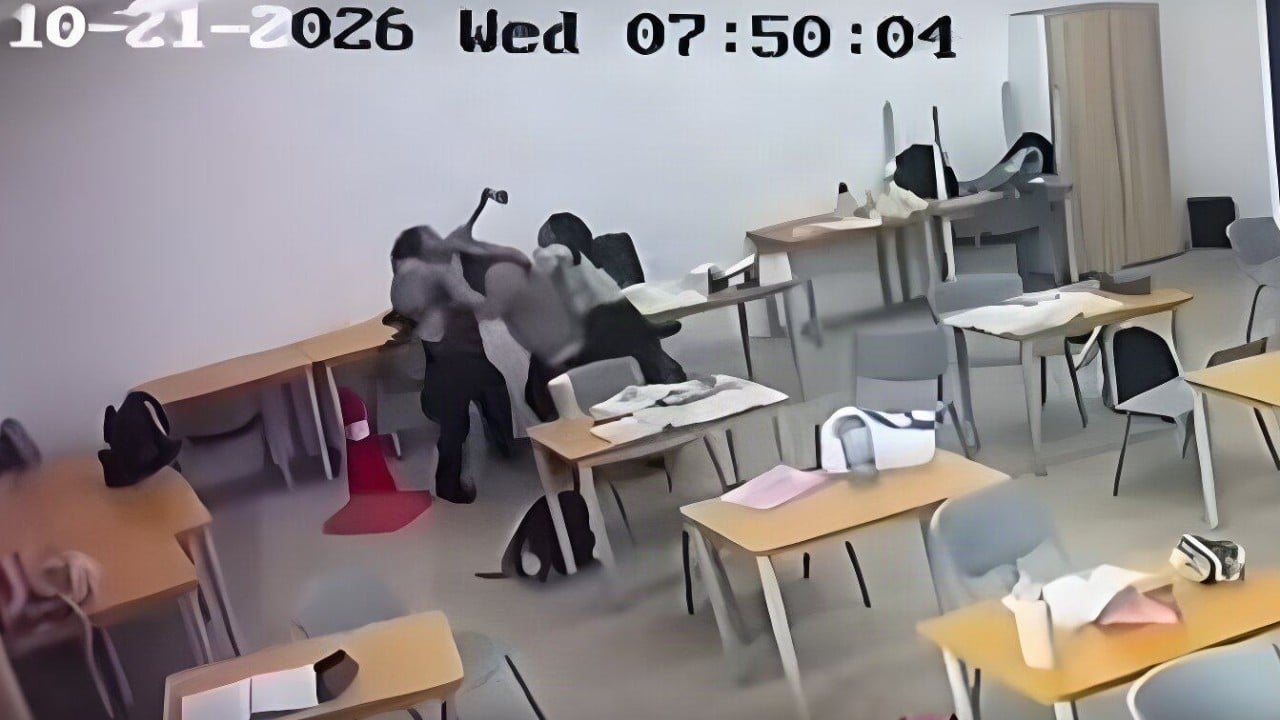
When a 16-year-old student strapped a phone to his forehead and broadcasted an attack on a teacher in Kuching, Malaysia, it stopped being a localized school incident. It became a chilling preview of how digital validation culture intersects with real-world violence.
The October 21 incident at a private international school in Sarawak sent shockwaves through the country. According to Sarawak acting police commissioner DCP Saifullizan Ishak, authorities detained the teenager after he allegedly entered a classroom with an axe and firecrackers, leaving a female teacher with hand injuries. But what turned this from a tragic local news flash into a national talking point was the digital footprint: the entire setup was captured on a live stream, recorded from a mobile device mounted directly to the perpetrator's head, and quickly flooded across social media feeds.
Let’s look at what actually happened, why this case is terrifyingly unique, and what the viral frenzy reveals about modern youth culture and school security.
The Anatomy of a Digital Attack
Most historical school incidents happen behind closed doors, only pieced together later through witness testimony or grainy CCTV footage. This case was different because the perpetrator engineered it for broadcast.
Footage circulating online showed the 16-year-old in a restroom mirror, strapping his phone to his head, holding a lighter, and carrying an axe before rushing down a corridor into a classroom. While police and government ministers—including Sarawak Women, Childhood and Community Wellbeing Development Minister Datuk Seri Fatimah Abdullah—urged the public to stop sharing the footage, the clips had already triggered widespread public panic and online speculation.
The weapon of choice wasn't just physical; it was the camera. By live-streaming the assault, the teenager demonstrated a disturbing symptom of a generation that views real-life devastation as content to be consumed. The intent was clear: maximum digital visibility.
The Reality of School Safety in Private Institutions
People automatically assume private international schools are immune to this kind of volatility. That assumption is dead wrong.
In the wake of the Kuching attack, the school scrambled to implement new safeguards. Classes resumed quickly after clearance, but the campus environment changed overnight. Security protocols were ramped up to include auxiliary police officers on-site, mandatory entry screening, and structural reviews of long-term campus safety.
Here is what most commentary misses: metal detectors and locked gates won't fix a child experiencing a complete psychological breakdown. Schools are increasingly expected to act as mental health triage centers without having the staffing, resources, or diagnostic tools to handle acute crises. When a teenager feels entirely disconnected from reality, a security guard at the front gate is nothing more than a speed bump.
The Danger of the Digital Mob and Online Speculation
Within hours of the attack, social media platforms transformed into a chaotic courtroom. Unverified rumors, alleged motives, and doxxing attempts flooded local chat groups and public forums.
This reaction highlights a toxic pattern in modern information consumption. When a shocking event occurs, people crave immediate answers, creating a vacuum that conspiracy theories and sensationalized claims fill instantly. Government officials rightly condemned the digital shaming and urged citizens to respect the legal process, but the damage was already done. The obsession with being the first to break details online often trumps basic empathy or respect for active investigations.
Where Do We Go From Here
You can't scroll past a headline like this and pretend it's an isolated anomaly. It forces uncomfortable questions about what kids have access to online, how they process emotional isolation, and why institutions are often the last to notice when a student is completely unraveling.
If we want to stop these incidents before they start, we have to look past the dramatic footage and focus on early intervention. Pay attention when a teenager isolates, changes behavior drastically, or obsesses over violent online subcultures.
The Kuching attack is a stark reminder that modern safety isn't just about locking doors. It's about recognizing the silent screams happening right in front of us before they turn into a broadcast.