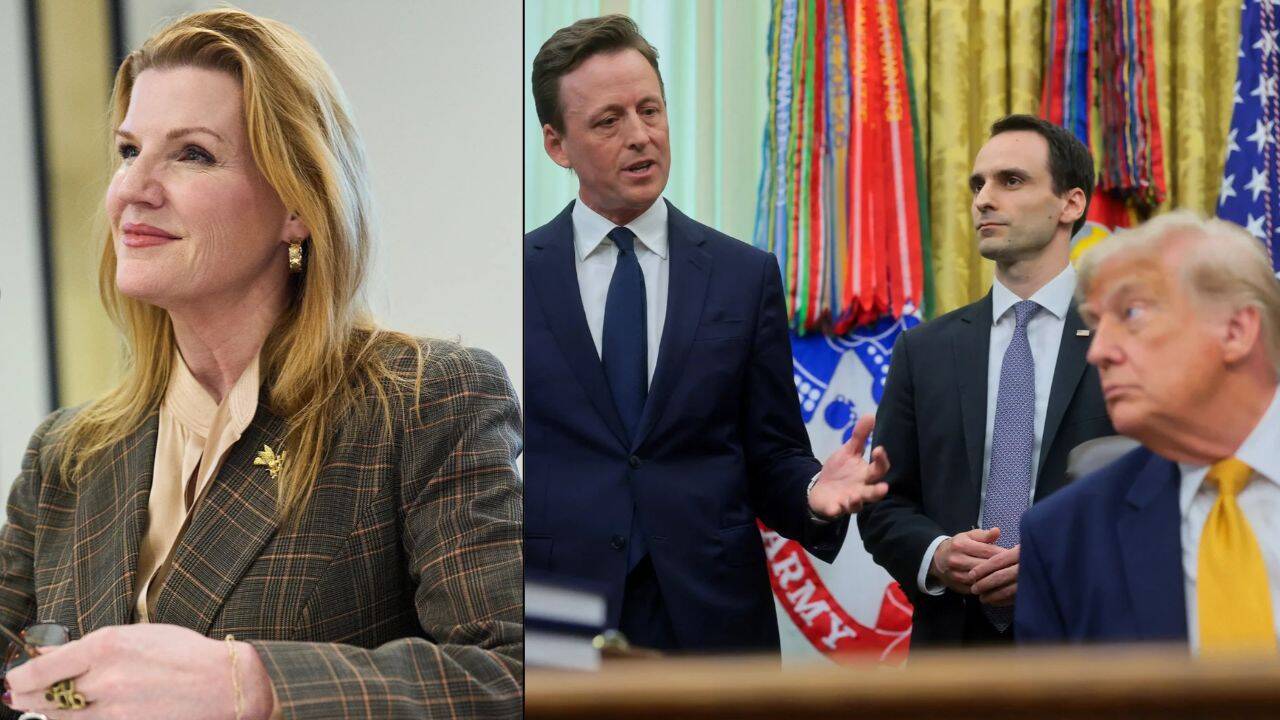
Sean Cairncross is out as White House national cyber director, and Kirsten Davies is stepping into the breach right when American digital infrastructure looks rattled. That switch happened in November 2026 after a rough stretch of technology disruptions hit flights, banks, email systems, and government networks.
If you only read the headline news, you might think this is just another Washington personnel shuffle. It isn't. Cairncross came from a political and legal background as a former Republican National Committee executive and attorney who was Senate-confirmed in August 2025. Davies brings an operational and private-sector security resume—having served as Chief Information Officer at the defense department and previously holding senior cybersecurity roles at major corporations.
The timing says everything. Americans watched a string of high-profile outages and security alarms pile up—from a nationwide flight ground stop to banking glitches and third-party breach claims—while top officials debated whether malicious actors were behind them or whether routine technical failures and maintenance were to blame. Putting someone with technical and defense infrastructure experience at the helm signals that the White House wants tighter credibility on resilience, even as Senate confirmation dynamics get trickier after the midterm elections.
Why Kirsten Davies Was Tapped For The White House Role
To understand why the administration turned to Kirsten Davies, look at what the job actually demands during a week of cascading tech headaches. The National Cyber Director isn't supposed to sit in a silo writing policy memos while airlines stall and banks scramble. The role requires coordinating across federal agencies, private operators, intelligence officials, and lawmakers when confidence in critical systems wobbles.
Davies comes straight out of defense digital infrastructure, where she worked on keeping communications, command-and-control systems, positioning and timing capabilities, and spectrum operations resilient. She was sworn in as a defense CIO in late December 2025 after Senate confirmation. Defense Secretary Pete Hegseth praised her appointment publicly, framing her as a dedicated professional aligned with the administration's priorities.
Before entering government, she built a corporate security track record that covers real-world enterprise scale. Reporting on her background notes she served as Chief Information Security Officer at Unilever and held senior technology and cybersecurity roles at organizations including The Estée Lauder Companies, Barclays-Africa Group, Hewlett Packard Enterprise, and Siemens, alongside founding a non-profit focused on citizens in the digital sphere. Her academic background spans international politics and government at the University of Puget Sound, advanced studies tied to international law, business, and human rights at Johns Hopkins University and the International Institute of Human Rights in Strasbourg, France, and change-management certification from Prosci.
Honestly, that blend matters. Corporate CISOs know what it feels like when an outage hits customer trust at 2 a.m. and nobody cares about slide decks. Defense CIOs know what it means when a network failure affects readiness and operations. Moving from defense IT leadership to the White House puts someone with actual operational fluency in a seat that looked overly political under her predecessor.
What Happened With Sean Cairncross And The Outage Fallout
Cairncross's exit didn't happen in a vacuum. He was confirmed in a 59–35 Senate vote in August 2025 as the first Senate-confirmed cybersecurity official of President Donald Trump's second term, succeeding Harry Coker Jr. after earlier stints as a senior adviser to the White House chief of staff and leading the Millennium Challenge Corporation.
Different outlets captured slightly different shades of how his departure played out. Axios described the exit as amicable while pointing to internal pushback over cyber credentials. CNN, citing a source close to the White House, reported that Trump supported removing Cairncross because he lacked strong cyber credentials for the role. Cairncross declined to comment on his departure.
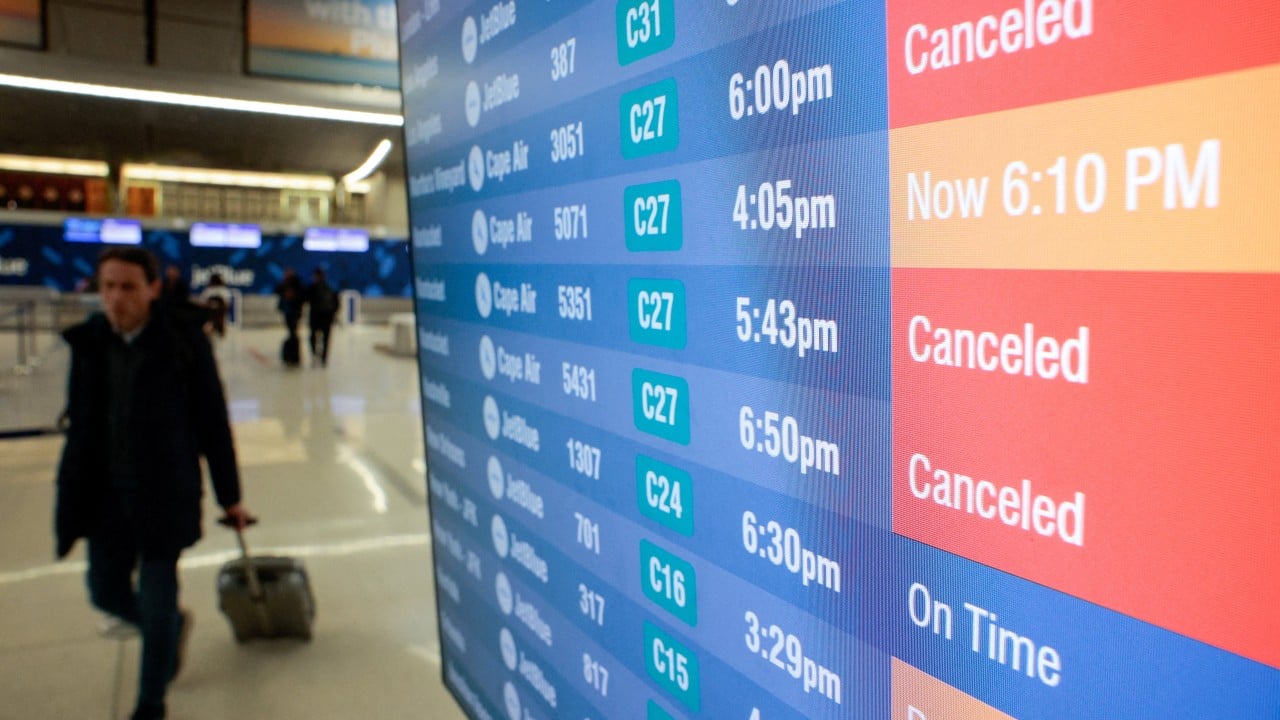
Meanwhile, the public mood was edgy. Over roughly a week in mid-November 2026, Americans dealt with a series of disruptive tech events: a major telecommunications disruption tied to a multi-hour national ground stop at U.S. airports, a Microsoft outage affecting email services, a temporary disruption affecting the National Security Agency's network, and banking hiccups. On top of those operational outages, JPMorgan Chase reported that third-party service providers had been targeted in a cyberattack, and a ransomware group claimed data leaks involving customers across major payment networks, including reports of roughly 16,000 wealthy JPMorgan clients potentially exposed.
Senior officials pushed back against panic and tried to draw a line between outages and state-sponsored warfare. Secretary of State Marco Rubio said there was zero indication the technical failures were linked to one another or to a malicious actor. Intelligence leadership similarly indicated the week's disruptions stemmed from separate maintenance and technical issues rather than a coordinated foreign attack. Trump, speaking ahead of the APEC Summit after returning from Asia, told people to relax and argued the events were individual incidents getting exaggerated in coverage.
Here's where I disagree with brushing off the reaction. Even if every single outage had a mundane technical cause, stack five scary headlines together in seven days and public trust takes a beating. People don't experience "separate maintenance events" in isolation. They experience a stalled flight, a locked banking app, or a news alert about leaked financial records. Saying "relax" doesn't fix brittle dependencies.
Where Competitor Coverage Falls Short On The Bigger Picture
A lot of fast-turnaround coverage treats this story like a simple trivia question: who is Kirsten Davies, and why did Cairncross leave? That's a fair starting point, yet it misses three bigger dynamics that will shape what happens next.
1. Outages Versus Cyberattacks Is A False Comfort For Everyday Users
In cyber incident response—and I've seen this play out repeatedly in enterprise postmortems—teams love arguing about attribution. Was it a nation-state intrusion, a criminal ransomware group, or a botched configuration push? From a national security standpoint, attribution matters hugely. From the standpoint of a traveler stuck on a tarmac or a business owner unable to send invoices, the root cause barely changes the immediate pain. Fragile single points of failure hurt regardless of intent.
2. The Office Of The National Cyber Director Has Real Coordination Weight, Not Magic Powers
People sometimes assume the White House cyber chief commands every firewall in America like a digital general. In reality, the role sits inside the Executive Office of the President and succeeds through alignment, strategy, and convening power across agencies like the Cybersecurity and Infrastructure Security Agency (CISA) at the Department of Homeland Security, the intelligence community, and private sector operators. Reporting also notes Davies joins a broader administration lineup that includes officials like Director of National Intelligence Jay Clayton, technology advisor Michael Kratsios, and Secretary of State Marco Rubio. Coordination is hard work, especially when multiple agencies own pieces of the problem.
3. Confirmation Politics Just Got Complicated
Timing matters in Washington. Cairncross's departure arrived right after Democrats won control of both chambers of Congress in the November 2026 midterm elections, with the new Senate taking over in January. That means any long-term Senate confirmation path faces a shifted political map, even as lawmakers are actively grilling nominees across federal cyber roles—such as CISA nominee Michael LoSapio facing questions in a Senate confirmation hearing—about preparedness after the recent outages. Acting leadership can keep momentum moving day to day, yet durable authority often depends on how smoothly confirmation and oversight play out next year.
What This Shake-Up Means For Businesses And Everyday People
You don't need a security clearance to take something practical away from this week's turbulence. When headlines spotlight aviation stops, email hiccups, and third-party vendor breaches all at once, the smartest move is tightening your own resilience rather than waiting on Washington.
- Audit your third-party and vendor exposure. Notice how JPMorgan Chase's reported issue involved third-party service providers rather than a standalone bank failure. If you run a company or manage operations, map which outside software, payment, or IT vendors can take down your workflow if they go offline or get breached.
- Build low-tech fallback plans for critical tasks. If a flight, bank transfer, or cloud email service goes down unexpectedly, having offline contact lists, backup payment options, and clear communication channels saves hours of panic.
- Treat MFA and account hygiene as non-negotiable. Whenever high-profile breach claims hit financial and payment brands, phishing and credential-stuffing spikes follow close behind. Use phishing-resistant multi-factor authentication on email and financial accounts, and don't reuse passwords across services.
- Watch official advisories rather than social media rumors. During fast-moving outages, rumors about "massive cyberattacks" spread faster than verified facts. Check official status pages and established agencies before making reactive moves.
Davies has already put her marker down on the mission, stressing the need to modernize, drive resilience into the nation's underlying foundations, and build cyber talent for the future. Good rhetoric is easy in a transition week; proving that critical systems can bend without breaking is the real test ahead.