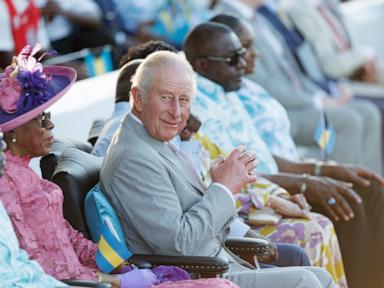
King Charles III just landed in Georgetown, stepping off an aircraft to a formal guard of honor at Cheddi Jagan International Airport. This marks his first visit to the South American nation in over two decades. But beneath the diplomatic handshakes and ceremonial welcomes, a heavy storm is brewing. The monarch's nine-day Caribbean tour isn't just a standard royal engagement. It's a high-stakes collision between modern diplomatic realities and the deeply uncomfortable history of the British Empire.
When you look past the glossy press releases, you see a region demanding hard answers. President Mohamed Irfaan Ali didn't waste time pulling punches ahead of the visit. While he acknowledges that Charles previously called slavery the darkest period in human history, Ali makes it clear that words alone won't cut it anymore. The demand is explicit: an official apology and a serious discussion about reparations. Read more on a similar subject: this related article.
The Heavy Shadow of History in Guyana
Guyana holds a unique and painful place in colonial history. It was the site of massive slave revolts, most notably the 1763 Berbice slave uprising led by Cuffy, who is now a national hero. Enslaved Africans were forced into grueling labor on sugar plantations to extract wealth that directly funded the expansion of the British Crown and its merchant classes.
President Ali puts it bluntly: the region was exploited, lives were shattered, and systemic underdevelopment was baked into the local infrastructure. Modern Guyanese citizens look at those centuries of extraction and ask why the monarchy gets to shake hands and move on without accounting for the economic damage left behind. Additional journalism by NBC News highlights comparable views on the subject.
Yet, the British government holds a firm line. Officials in London consistently reject demands for both apologies and financial payouts. Constitutional experts point out that the King operates on the advice of his elected government. He doesn't act as a free agent who can just issue a historic apology on a whim. Issuing reparations could cost the UK hundreds of billions of pounds, a prospect that makes modern British politicians break out in a cold sweat, especially during an era marked by economic tight-squeezes and a surging cost of living.
Shifting Focus Toward Climate and Trade
With the reparations deadlock firmly in place, the official itinerary tries hard to shift toward safer ground. Climate change, biodiversity, and modern trade take center stage during the local meetings. Guyana boasts massive rainforests and plays an oversized role in global environmental preservation.
Charles is also scheduled to meet with local indigenous Amerindian leaders, known locally as toshaos, balancing out the political talks with community-level engagement. These interactions matter because Guyana's population of roughly 840,000 is culturally diverse, split largely between communities of East Indian and African descent, each with distinct views on national identity and ties to the Commonwealth.
What Comes Next for the Monarchy
This trip serves as a stepping stone toward the broader Commonwealth Heads of Government Meeting in Antigua and Barbuda. Across the 56 member states, the relevance of the crown is constantly being re-evaluated. Barbados cut ties to become a republic a few years ago, and other Caribbean nations are actively eyeing the exact same exit door.
If the British monarchy wants to maintain any genuine influence across the Commonwealth, smiling through standard royal tours won't work anymore. Leaders across the Caribbean are no longer content with polite diplomacy. They want accountability, transparency, and a financial reckoning for the past.
The crown can try to hide behind constitutional technicalities all it wants. The pressure isn't going away. Every time a royal plane touches down in the region, the demand for justice grows louder.