The royal motorcade is rolling into town, but nobody is cheering. When King Charles III steps onto Caribbean soil for his high-stakes tour across nations like The Bahamas, Guyana, and Antigua and Barbuda, he's walking straight into a political storm.
Local leaders aren't interested in royal pageantry anymore. They want accountability, an official apology, and serious talks about slavery reparations. If you think this is just another diplomatic photo-op, you're missing the massive shift happening right now across the Commonwealth.
Why the Crown Is Facing an Unprecedented Crisis
For decades, royal visits followed a predictable script. Crowds waved flags, school children sang songs, and the British monarch smiled for the cameras. Those days are gone.
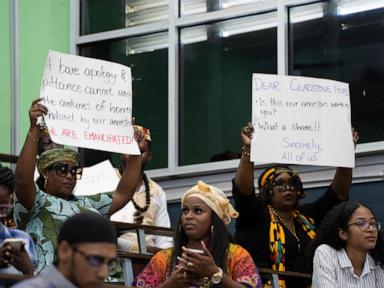
Regional committees have made it clear that the British crown cannot simply sweep its historical ties to the transatlantic slave trade under the rug. Leaders from organizations like the Bahamas National Reparations Committee have challenged the continued relevance of the monarchy itself. When young citizens look at a foreign king as their head of state, they don't see tradition. They see an unresolved legacy of colonial exploitation.
The timing couldn't be more charged. Caribbean nations are actively exploring paths to transition into republics, following Barbados' historic move. Activists aren't asking for empty handshakes. They're demanding financial and structural reparatory justice for centuries of stolen labor and systemic devastation.
The Push for Reparations Moves to the Global Stage
This isn't just about local protests. The movement for reparatory justice has evolved into a coordinated international effort. Caribbean nations, backed by regional coalitions, have taken formal legal and diplomatic steps to press their claims.
- Jamaica previously petitioned the Crown, driving the issue into high-level legal arenas.
- Activists are mobilizing a Global Reparations Caravan to coincide with major Commonwealth meetings.
- Regional leaders have framed upcoming summits explicitly around the economics and ethics of reparations.
Buckingham Palace has signaled that the King will acknowledge the "darkest days" of Britain's colonial rule and address the wrongs of the past. Yet, officials have maintained that a blanket apology or direct financial payout is off the table. Critics argue that refusing to apologize is a severe miscalculation that only deepens resentment among local populations.
What Happens Next for the Commonwealth
The core question driving these tensions is simple. Can an institution rooted in imperial history adapt to a modern world that demands truth and reconciliation?
Historians and political analysts are calling this trip one of the riskiest maneuvers of the modern royal reign. Diplomacy and charm might keep schedule delays at bay, but they won't satisfy a generation of citizens demanding structural change.
The debate won't end when the royal plane takes off. Caribbean nations are rewriting their futures on their own terms, leaving the British monarchy to decide whether it wants to face history honestly or fade into irrelevance across the region.
Caribbean nations demand reparations from King Charles for royal connection to slave trade
This video provides an in-depth look at the escalating demands for reparatory justice and the historical financial connections between the British monarchy and the slave trade.
http://googleusercontent.com/youtube_content/1