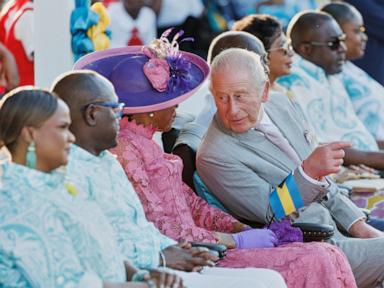
Royal pageantry hits a massive wall when it meets centuries of stolen history. King Charles III stepped off his plane for a nine-day tour of the Caribbean, touching down in the Bahamas before heading toward Guyana and Antigua and Barbuda. He wanted a diplomatic mission focused on modern partnerships and climate change. Instead, he walked straight into a wall of unheeded demands for accountability and reparations.
You can't wave away historical atrocities with polite palace statements. Caribbean leaders aren't interested in business-as-usual diplomacy anymore. They want a clear, legal reckoning for the millions of Africans forcibly trafficked across the Atlantic to build wealth for the British Empire.
The Unresolved Debt of Empire
The historical ties binding the British monarchy to the transatlantic slave trade run deep. Centuries ago, royals actively backed companies that monopolized human trafficking on the West African coast. King Charles II lent royal backing to the enterprise that became the Royal African Company, cementing the crown's direct beneficiary status in the trade.
Fast forward to today, and modern British politicians like business secretary Jonathan Reynolds dismiss reparations claims as unreasonable. But leaders across the Caribbean see things differently. Guyana’s President Mohamed Irfaan Ali didn't mince words, pointing out that generations of exploitation left the region with systemic underdevelopment.
Protesters in the Bahamas turned out with signs demanding financial justice. They aren't looking for symbolic handshakes or carefully scripted nods to the "darkest days" of colonial rule. They want a formal apology coupled with tangible restitution.
Why the Palace Refuses an Apology
Buckingham Palace relies on a strict constitutional firewall. Constitutional experts point out that the King speaks on behalf of the elected government rather than acting as a free agent. Issuing a formal apology or pledging billions in reparations requires government backing.
Because current UK administrations refuse to open that door, the monarch remains trapped. He can acknowledge past suffering and call slavery an atrocity that stains British history, but he stops short of taking full legal or financial responsibility.
This creates an awkward diplomatic tightrope. Commonwealth Secretary-General Shirley Ayorkor Botchwey has made it clear that the topic of reparations is fundamentally about justice, not just history. When regional bodies bring up these issues at high-level summits, royal charm offensives lose their grip.
Shifting Tides Across the Commonwealth
The modern tour isn't just about the past. It highlights a rapidly shrinking sphere of influence. Several Caribbean nations are actively moving toward removing the British monarch as head of state to become republics. Barbados made the jump recently, and others are lining up to follow.
Climate change discussions often anchor these modern royal visits—especially in low-lying island nations where rising sea levels threaten daily survival. Yet even green diplomacy gets overshadowed when citizens ask why a billionaire royal family won't address generational poverty rooted in colonial theft.
The crown wants to pivot toward a future-proof partnership. The Caribbean wants an honest settlement of the past first. Until London bridges that gap, every royal flight touches down on contested ground.
Check out this short overview of King Charles Caribbean tour for a quick look at the protests and regional demands greeting the monarch.
http://googleusercontent.com/youtube_content/1