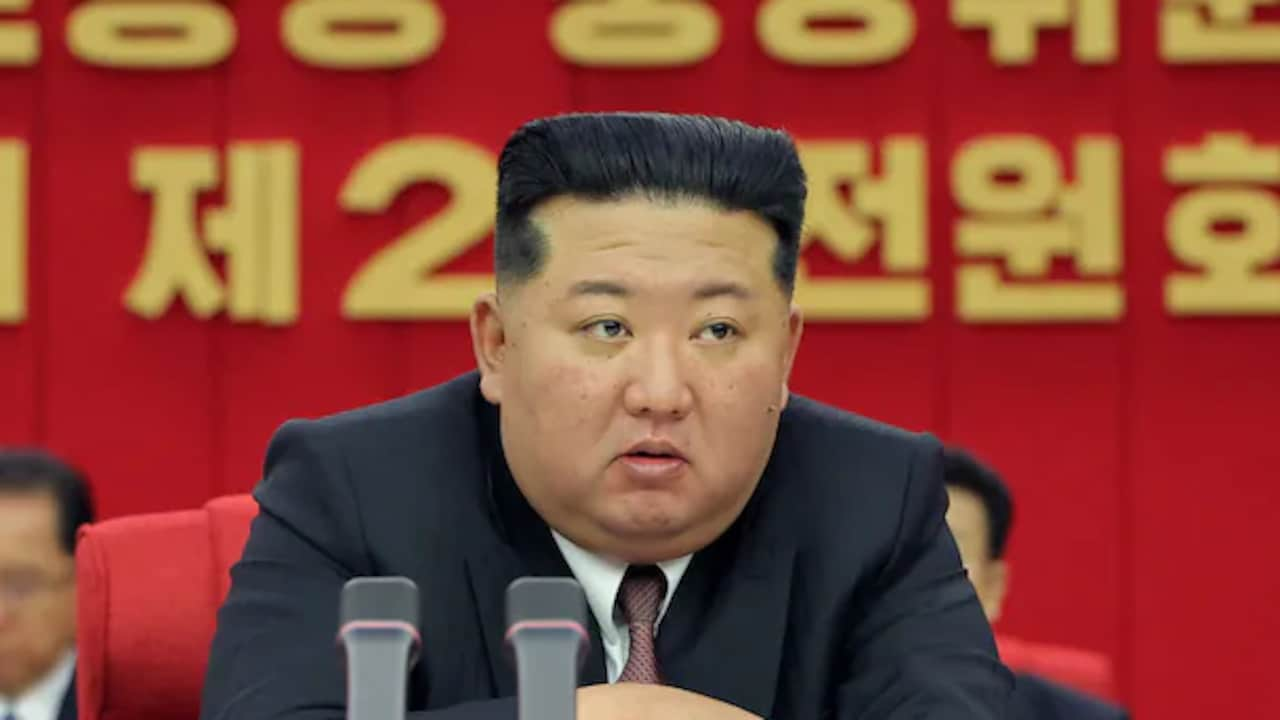
Pyongyang just hosted a conference that deserves your immediate attention. North Korean leader Kim Jong Un recently stepped up to the podium during a high-stakes gathering of company commanders in Pyongyang, demanding nothing less than a sweeping military revolution. If you think this is just standard state media posturing, you're missing the operational shift happening inside the secretive state right now.
Let's break down what actually happened, why company-level commanders are suddenly the center of attention, and what this means for regional stability in East Asia.
The Shift Toward Grassroots Combat Readiness
State media reports confirmed that Kim addressed a two-day conference of army company commanders in the capital. This wasn't your average bureaucratic convention. It was the first military-wide gathering of its kind since the ruling party's Ninth Congress established a brutal five-year roadmap for the nation's defense apparatus.
Instead of focusing solely on intercontinental ballistic missiles or nuclear warheads—the usual headlines that catch global attention—Kim zeroed in on the company level. Why? Because grand strategic weapons are useless if frontline units lack tactical autonomy, self-sufficiency, and ironclad discipline.
He wants every individual army company transformed into an elite, self-sufficient combat unit. He explicitly called on officers to build the strongest army possible by speeding up a homegrown military revolution.
Beyond the Nuclear Headlines
Most mainstream coverage treats North Korea as a one-trick pony obsessed entirely with nuclear tests. That is a dangerous miscalculation. While Pyongyang continues to refine its nuclear deterrent, its conventional forces are undergoing a massive structural overhaul.
Military analysts watching the peninsula know that conventional readiness remains the backbone of any real-world conflict scenario. By targeting company commanders—the captains and lieutenants who lead troops on the ground day in and day out—Kim is trying to fix tactical bottlenecks. He wants junior officers who can think on their feet, sustain operations independently under harsh conditions, and execute complex maneuvers without waiting for micro-management from high command.
This push ties directly into the broader directives laid out during recent party congress meetings, where strengthening conventional armed forces ran parallel to missile development.
What This Means for Regional Security
You shouldn't ignore these internal military shakeups. When an isolated regime aggressively demands a "military revolution" and drills its frontline leadership on elite combat standards, friction along the demilitarized zone usually follows.
South Korea, the United States, and regional partners are already monitoring these developments closely. A military that prioritizes self-sufficient, highly hardened frontline units becomes harder to deter through traditional diplomatic channels. It signals an institutional anxiety about modern warfare dynamics, likely influenced by observing contemporary conflicts around the globe where small-unit tactics, drone integration, and decentralized logistics dictate survival.
Kim is signaling to his generals and captains that excuses won't fly anymore. The message from Pyongyang is clear: adapt your units to modern expectations or get left behind. Keep a close eye on upcoming border drills and tactical exercises, because this rhetoric is bound to translate into live-fire demonstrations very soon.