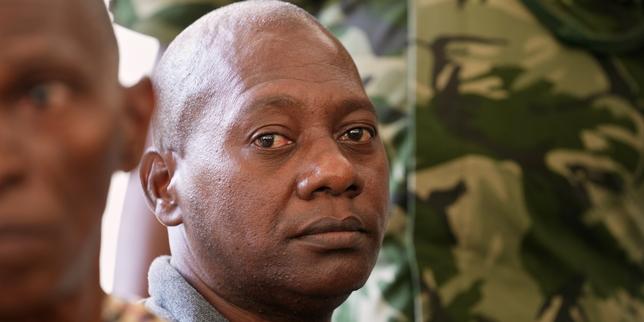
Paul Nthenge Mackenzie already has a 200-year prison sentence hanging over him for murder, yet prosecutors in Kenya just stacked another conviction on top of it. On November 25, 2026, a court in Mombasa found the self-proclaimed pastor guilty of cruelty to children and assault over what happened inside the Shakahola forest near Malindi.
Honestly, the headline sounds shocking at first glance. Why bother prosecuting child cruelty and assault when someone is already serving two centuries behind bars for killing nearly 200 children? Because in real-world criminal justice, stacking charges isn't just about adding years to a prison term that already outlasts a human life. It's about locking in separate legal findings on different victims, protecting against appeals, and putting specific abuses on the official record. If you liked this article, you should read: this related article.
How the Shakahola Tragedy Unfolded and Why Separate Trials Matter
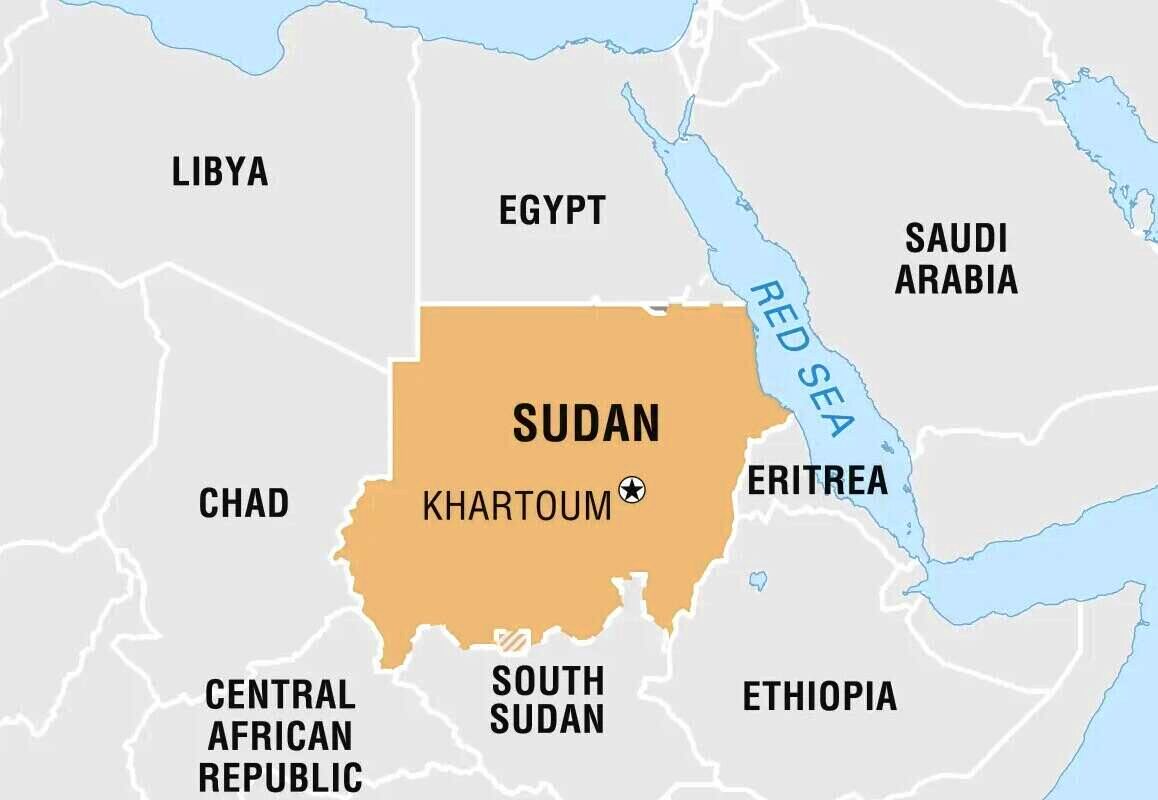
To understand why the Kenya starvation cult convictions keep coming in waves, you have to look at how the case was built. Authorities arrested Mackenzie in April 2023 after a tip-off led investigators to a 325-hectare property in the Shakahola forest along Kenya's coast. What followed became known as the Shakahola forest massacre, with hundreds of bodies eventually recovered from shallow graves and latrines, and the Kenya National Commission on Human Rights putting the death toll at 429 in 2024.
Mackenzie led the Good News International Church, which he started in 2003 and grew across branches in Nairobi and coastal Kenya. Followers were told to starve themselves—and their children—in preparation to meet Jesus before the end of the world. Reports from the case indicate children were often pushed to fast before adults, and those who tried to eat faced beatings or restraints. For another perspective on this story, refer to the latest update from USA.gov.
If you're watching the courtroom timeline from afar, the piecemeal verdicts can look confusing. First came the High Court murder convictions and the 200-year sentence handed down by Justice Diana Kavedza in early November 2026—split into 100 years for murder by starvation and 100 years for direct homicide across 191 victims, including 190 children and one adult. Then, on November 25, 2026, Principal Magistrate Nelly Chepchirchir at the Tononoka Children's Court in Mombasa ruled on the fresh child abuse counts, convicting Mackenzie on five counts of cruelty to a child and one count of assault causing actual bodily harm, alongside 11 co-accused, while acquitting 24 other defendants and clearing everyone of torture charges. Sentencing on the new convictions is slated for December 17, 2026, and separate trials involving charges like radicalization, manslaughter, and terrorism remain ahead.
Why split all this up instead of trying everything in one giant mega-case? Simple. Different offenses involve different victims, different witnesses, and different legal thresholds. Prosecutors called 76 witnesses and presented 112 pieces of evidence—ranging from child survivors and parents to doctors, psychologists, and forensic experts—in the child cruelty case alone. Separating charges means if one conviction gets challenged or overturned on appeal years down the line, the others don't automatically collapse with it.
Constitutional Rights Versus Child Protection in Court
One of the sharpest legal tensions in this case sits right at the intersection of religious freedom and child protection. Kenya's Constitution protects freedom of religion and belief, while also guaranteeing the right to life under Article 26 and safeguarding children's rights under Article 53.
In practice, defendants in coercive religious movements often argue that their actions stem from sincere faith or spiritual obedience. Magistrate Chepchirchir drew a firm line against that defense, making clear that religious freedom protects beliefs and peaceful practice, not harming children.
Still, the November 25 ruling also showed how strict statutory definitions can shape verdicts. Everyone in the case was acquitted of torture charges because the legal definition of torture, as applied there, requires a link to a public officer. That nuance matters. Even when conduct looks horrific in everyday language, courts have to match proven facts to the exact elements of each statute. That's why some defendants walked free—24 were acquitted—while others were convicted on specific counts like child cruelty, assault, or violating children's right to education.
Why Regulating Churches in Kenya Remains So Contested
If you ask observers what went wrong before Shakahola, one pattern stands out immediately. Mackenzie had been arrested before—in 2017 over radicalization allegations, where he was acquitted, and again in 2019 in connection with two child deaths at Shakahola, when he was released on bail. Critics and grieving families have pointed to those earlier missed warnings with bitter frustration, including after President William Ruto acknowledged in 2023 that the state had failed to prevent the tragedy.
At the same time, fixing oversight isn't as simple as passing a single bill. Kenya has a massive, vibrant religious landscape, with thousands of congregations and roughly 60 new churches being registered every month through the Office of the Attorney General, according to remarks by Attorney General Dorcas Oduor in August 2026.
Push for heavy state oversight, and mainstream churches or high-profile preachers warn about government overreach and religious freedom abuses. Favor light-touch self-regulation, and critics ask how authorities can spot dangerous fringe groups before hundreds of people vanish into remote forests. Even after parliamentary committees and government proposals were debated following 2023, turning reform ideas into settled law has proven slow and contentious, while reports in November 2026 of exhumations and concerns over unregistered groups or encrypted messaging show the broader fallout isn't over.
There's also a real debate among legal scholars and human rights advocates about where the line should sit. Some argue that mandatory registration, financial transparency, and clearer child-safeguarding checks are basic consumer and child protections that any society owes vulnerable people. Others worry that broad laws drafted in the heat of a crisis could be misused by authorities later to target legitimate minority faiths or vocal critics. Both concerns are real, which is why lawmakers keep getting stuck between inaction and overcorrection.
What This Means for Accountability and Oversight
For anyone following Kenya starvation cult developments—or thinking about how justice systems handle coercive religious groups—the big takeaway isn't mystery. It's the gap between dramatic headlines and slow, grinding legal work.
A 200-year sentence makes for powerful news, yet separate trials for child cruelty, assault, manslaughter, and radicalization are what force courts to examine every layer of abuse against specific victims. Meanwhile, legal boundaries like the public-officer requirement for torture show why prosecutors have to charge carefully rather than relying on broad labels.
If you want to track what happens next or dig deeper into the legal and policy side of the case, take these practical steps:
- Follow the upcoming court dates in Mombasa, including the December 17, 2026 sentencing on the child cruelty and assault convictions and ongoing proceedings on remaining charges, through reputable outlets such as Reuters, Al Jazeera, and JURIST.
- Read the actual constitutional provisions—specifically Article 26 on the right to life and Article 53 on children's rights—alongside Kenyan legislative debates covered by the Parliament of Kenya so you can judge proposed church oversight rules on their real text rather than soundbites.
- Look at reporting from human rights bodies like the Kenya National Commission on Human Rights to see how investigators document victim counts, survivor support, and institutional gaps over time.