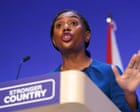
Conservative leader Kemi Badenoch just laid out an ambitious pledge at the party conference in Birmingham. Her plan to scrap inheritance tax on family homes has ignited a fierce political debate across Britain. Critics claim the policy panders exclusively to affluent homeowners in the south. Supporters argue it simply rewards lifelong hard work.
If you look past the political theatre, the core strategy becomes obvious. The Conservative Party is consciously trying to win back middle-class swing voters who abandoned them at the 2024 general election. But is offering tax breaks on multi-million pound properties the right medicine for a party still struggling to recover its footing?
Decoding the Inheritance Tax Pledge
Badenoch announced that a future Conservative government would abolish inheritance tax on family homes and allow couples to pass on an additional tax-free allowance of £1 million. According to her figures, this would slash the number of families paying the levy by more than half, since less than 5% of estates currently trigger the tax anyway.
The £6 billion price tag for this policy would supposedly be funded through targeted public spending cuts, including reductions to the welfare bill.
Economics experts and political rivals immediately pounced. Stuart Adam from the Institute for Fiscal Studies pointed out the obvious math. The biggest financial winners will be individuals sitting on the most valuable real estate, primarily concentrated in London and the south-east. Tax Justice UK slammed the policy as a massive handout to the wealthiest demographic while public services remain under severe financial strain.
Even Reform UK jumped into the fray, with Robert Jenrick arguing that the Conservatives are only looking after wealthy constituents in places like Kensington while ignoring ordinary communities.
The Battle for the Right Wing
Badenoch used her conference address to draw a heavy red line against Nigel Farage and Reform UK. She flatly rejected calls to "unite the right," dismissing Reform politicians as a circus and insisting her party stands for higher standards of character and conduct.
She also took direct aim at recent defections and identity politics, passionately defending her own British identity and calling out rhetoric that questions the heritage of minority citizens.
Yet, beneath the rhetorical fireworks lies a cold electoral calculation. Polling numbers show the Conservatives are still trailing far behind where they need to be. Badenoch admitted that while people are looking through the shop window and liking what they see, not enough voters are actually buying the product yet.
Focusing on economic growth as the central organizing principle sounds great in theory. Cutting planning red tape, building transport infrastructure, and tweaking energy policy are classic Conservative tropes. But anchoring the economic pitch so heavily around property tax cuts risks reinforcing the public perception that the party cares more about asset-rich elites than working families dealing with everyday cost-of-living pressures.
What This Means Moving Forward
If you are watching British politics right now, the ideological fault lines are crystal clear.
- The Middle-Class Squeeze: Parties are openly fighting for affluent voters who own property and worry about intergenerational wealth transfer.
- The Reform Threat: The Tories cannot ignore the populist right bleeding votes from their right flank, but Badenoch is betting that refusing to cut formal deals will preserve the party's long-term brand integrity.
- The Credibility Gap: Pledging billions in tax cuts while promising to protect public services requires a fiscal magic trick that voters will scrutinize heavily before the next ballot.
The path back to power for the Conservatives is steep, narrow, and riddled with traps. Cutting taxes for homeowners might fire up the faithful in the conference hall, but convincing the wider electorate requires much more than a pitch to the housing wealthy.
Take a close look at how these economic debates shape up over the coming months. Watch the polling data in key southern marginal seats to see if this high-stakes gamble actually moves the needle.