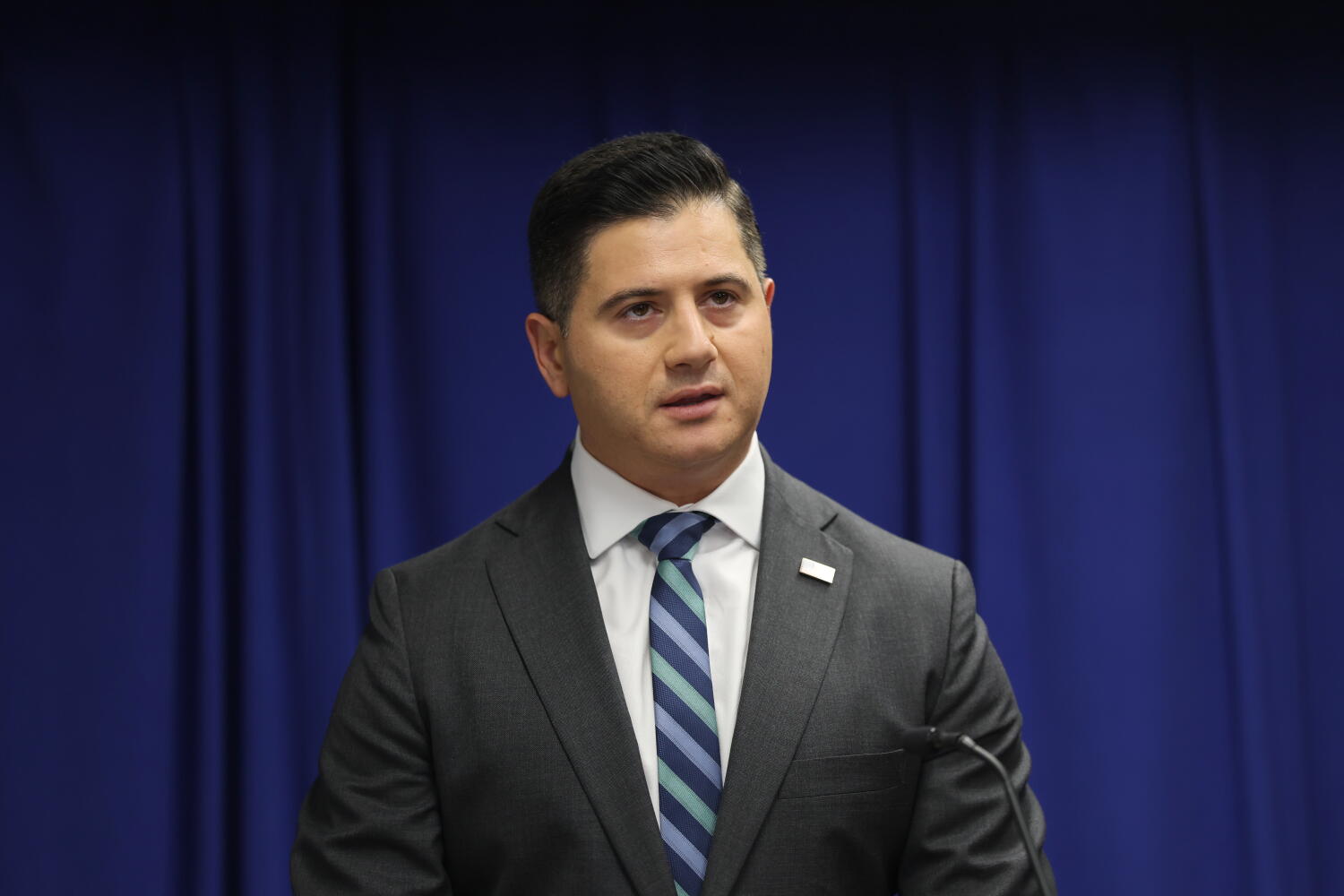
The Department of Justice is shifting the pieces on the board. Federal prosecutors just handed Los Angeles interim chief Bill Essayli a high-stakes, politically charged assignment in Miami. His new mission involves picking apart the inner workings of the 2022 FBI search at Mar-a-Lago and reviewing how special counsel Jack Smith handled the classified documents case.
If you're wondering why a West Coast prosecutor is suddenly handling a Florida-based inquiry, you are looking at a system under immense stress. The broader "grand conspiracy" investigation—an effort by the administration to look into officials who previously targeted Donald Trump—has struggled to find traction. Previous supervisors have resigned, career prosecutors have raised red flags over a lack of solid evidence, and the entire initiative has looked stalled.
Bringing in Essayli isn't a routine administrative transfer. It's a calculated gamble to inject momentum into an investigation that many legal experts thought was running out of steam.
Inside the Shift to Miami
Essayli hasn't given up his day job. He is maintaining his role as first assistant U.S. attorney overseeing the Central District of California while taking on this special assignment in South Florida. That dual-hat arrangement is already raising eyebrows.
The inquiry itself centers squarely on the actions taken by federal agents and prosecutors during the initial 2022 search of the Florida resort. Investigators have tried interviewing former FBI personnel involved in the documents probe, though those talks hit immediate roadblocks when lawyers for the agents raised concerns about existing court orders.
The DOJ wants answers, but turning political grievances into criminal indictments is a massive hurdle. Prosecutors need actual, admissible evidence of criminal overreach—not just policy disagreements or administrative friction. So far, that hard evidence has been remarkably difficult to produce.
The Legal Cloud Hanging Over Essayli
You can't talk about Essayli's new assignment without looking at the massive legal asterisk attached to his own job. A federal judge previously ruled that Essayli was serving unlawfully in his primary role in California under the Federal Vacancies Reform Act.
The legal gymnastics used to keep him in power—resigning right before a 120-day interim clock ran out, only to be named first assistant so he could automatically assume the acting head title—are facing intense judicial scrutiny. Just recently, a federal judge rejected a request to pause rulings challenging his appointment, pushing the fight straight to the U.S. Court of Appeals for the Ninth Circuit.
When the person leading a controversial federal probe is fighting for the legitimacy of their own office, it creates a strange optics loop. Critics view the assignment as a partisan exercise, while supporters argue it's a necessary accountability measure for government overreach.
What Happens Next in the Investigation
Narrowing the scope of the investigation makes practical legal sense. Earlier ideas of pursuing a sprawling conspiracy stretching back to 2016 faced immense statutes of limitations issues and dead ends. Focusing strictly on the Mar-a-Lago raid and the subsequent document handling gives the probe a defined boundary.
Still, turning this into actual criminal charges against investigators is an uphill battle. Qualified immunity, standard law enforcement discretion, and the approval of the original search warrants by federal magistrates create formidable legal shields for the agents involved.
Essayli is stepping into a legal minefield. Whether this new push results in actual indictments or quietly fizzles out like the efforts before it will depend entirely on what his team finds in the files—and whether appellate courts allow his appointment to stand.