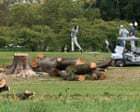
When a federal judge loses patience with the government, you know things have gone off the rails. US district judge Ana Reyes didn't mince words when she slammed the administration for deceptive maneuvers over a holiday weekend, ordering an immediate halt to the aggressive tree-clearing at Washington's historic East Potomac golf course.
If you've been following the rapid transformation of the nation's capital under the second Trump presidency, this legal showdown is just the latest flashpoint. But beneath the courtroom drama lies a deeper fight over public space, historic preservation, and whether affordable urban recreation can survive high-profile luxury makeovers.
What Triggered the Emergency Halt
The controversy erupted when the National Park Service filed paperwork confirming they had marked over 500 mature trees for removal at the East Potomac Golf Course. For anyone who uses the historic park, it was a gut punch. Shortly after, heavy machinery and logging crews began tearing into the landscape over a long holiday weekend.
Plaintiffs fighting the renovation plans were caught completely flat-footed, and more importantly, so was the court. Judge Reyes called out the government during a tense three-hour hearing, criticizing federal officials for pushing ahead while active lawsuits sought to block the project.
The resulting order is straightforward: tree-cutting at East Potomac is frozen until October 26. Furthermore, the government must provide the court and the plaintiffs three business days of written advance notice before attempting any permanent or irreparable modifications to the course.
The Battle Over Public Access
Why does a municipal golf course in Washington DC command this level of federal attention? It comes down to a clash of visions for public land.
East Potomac has served Washingtonians of all income levels for more than a century. It's affordable, accessible, and deeply woven into the fabric of local recreation. Since taking office for his second term in early 2025, Donald Trump has pursued an aggressive campaign to reshape the capital city—tearing down storied structures, renaming public features, and even deploying the National Guard.
Remaking East Potomac into a world-class golf venue sounds glamorous on paper, but local golfers and community advocates aren't buying the hype. The fear isn't just about losing hundreds of mature trees. It's about pricing out everyday residents. An upscale luxury overhaul inevitably brings skyrocketing green fees, transforming a democratic green space into an exclusive club.
What Happens Next in Court
The October 26 deadline is fast approaching, and legal teams are scrambling. The core question isn't just whether the administration followed proper administrative procedures—though deceiving a federal judge over a holiday weekend certainly won't win any sympathy points in court. The real test is whether federal oversight can check executive overreach when it comes to beloved municipal landmarks.
If you care about urban green spaces, public equity, or the rule of law in local development, keep your eyes on this docket. This fight is far from over, and the outcome will set a powerful precedent for how public land is managed in the nation's capital.