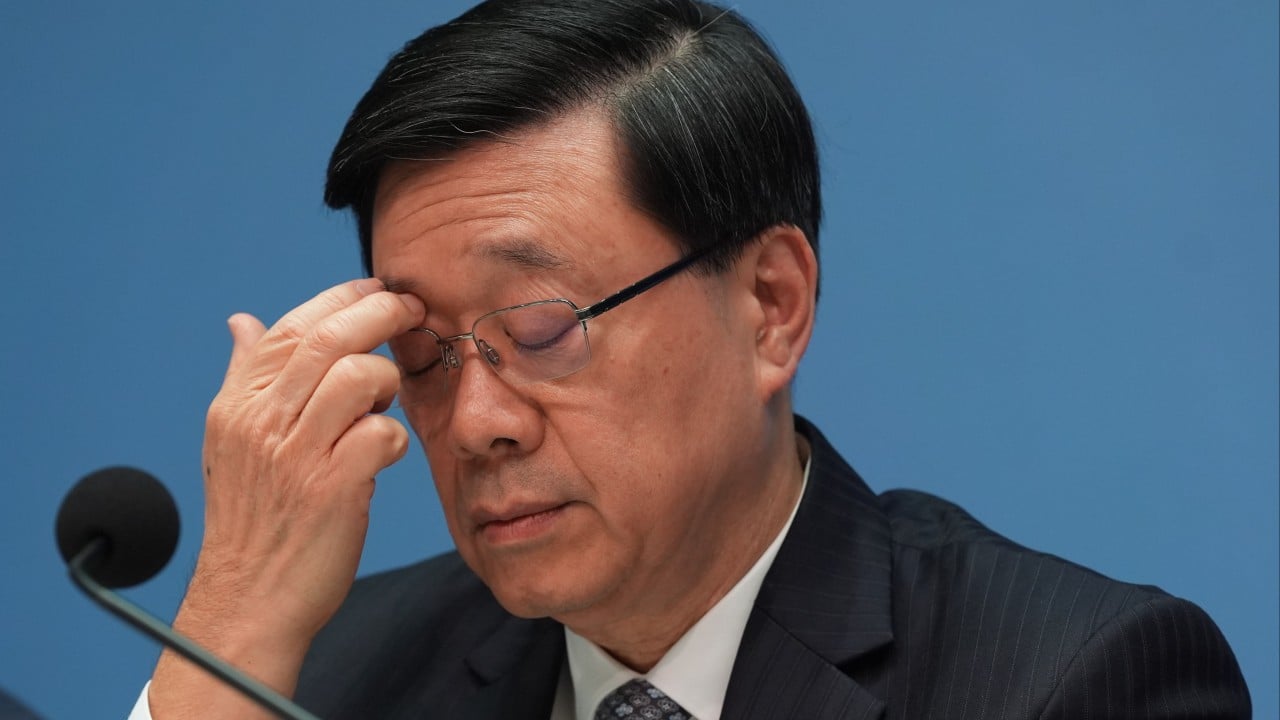
Accountability at the top of government usually triggers mass resignations. In Hong Kong, Chief Executive John Lee is breaking that mold. Following a damning independent inquiry into the catastrophic Wang Fuk Court fire that killed 168 people, public anger reached a boiling point. Housing Secretary Winnie Ho stepped down, taking direct political responsibility for systemic regulatory failures. Yet, Lee made it clear he intends to stay on, framing the minister's departure as a localized political decision rather than a signal for his own exit.
If you have followed Hong Kong politics for long, you know that crisis management here is a high-stakes tightrope walk. Let's look at why this specific tragedy happened, what the official inquiry uncovered, and why the city's leadership is drawing a hard line on who stays and who goes.
The Inquiry Findings That Shocked Hong Kong
The investigation into the disaster at the Tai Po residential complex laid bare a dangerous reality. The fire, which broke out during major estate renovations, tore through multiple blocks because critical safety checks were bypassed. The probe pinned primary institutional blame on the Housing Bureau's Independent Checking Unit, citing lax oversight and an over-reliance on an honor system.
Private contractors and consultants successfully exploited loopholes. Regulators trusted paperwork instead of conducting rigorous on-site inspections, leaving blatant fire hazards completely unchecked. Investigators also flagged clear red flags pointing toward rampant bid-rigging schemes embedded within the renovation project.
Families of victims and displaced residents are furious. When John Lee and top officials bowed in a public apology, critics dismissed it as too little, too late. For citizens who lost loved ones, a single ministerial resignation does not equal justice.
Why John Lee Draws the Line at His Own Office
When reporters pressed Lee on whether he should follow his housing chief out the door, his response was immediate. He argued that his primary duty as chief executive is steering the government through corrective reforms, fixing broken systems, and ensuring a disaster of this scale never repeats.
In political terms, leaders often face a choice between resigning to appease public outrage or staying on to fix the machinery. Lee chose the latter. He insisted that Winnie Ho's exit was a political decision acknowledging departmental accountability, but argued that abandoning his post would create a vacuum during a critical period of rebuilding.
Critics aren't buying the rationale. Many residents feel that systemic regulatory negligence goes far beyond one bureau. When an entire oversight framework fails to spot hazards during major construction work, the accountability chart usually stretches straight to the top. By insulating himself from direct resignation, Lee is betting that sweeping structural overhauls will quiet the storm.
What Changes Now for Building Safety
The government is promising massive policy revamps to salvage public trust. The proposed changes focus heavily on closing regulatory loopholes that allowed fraudulent contractors to operate unchecked.
Key reforms on the table include:
- Criminalizing bid-rigging schemes to root out corrupt practices in private estate renovations.
- Overhauling fire department inspection protocols to strip away the old "honor system".
- Mandating stricter independent audits for ongoing residential maintenance projects.
These measures sound proactive on paper. However, execution is everything. Citizens who spent months waiting for answers will judge these promises by whether inspectors actually show up on-site, look behind closed doors, and hold bad actors criminally liable.
The Broader Political Fallout
The fallout from Wang Fuk Court tests the limits of governance and accountability in Hong Kong. When trust shatters, rebuilding it requires more than press conferences and policy whitepapers. John Lee wants to prove he can manage the cleanup. If the upcoming structural reforms fail to deliver concrete safety improvements, the political pressure will return tenfold, and no amount of institutional maneuvering will shield the top office.
Watch how aggressively the administration enforces these new contractor penalties in the coming months. That will tell you whether real change is happening or if it's just administrative theater.