Four men walk into a bedroom where a woman lies unconscious, blindfolded, or restrained. Their defense in court? They thought she consented because her husband invited them.
On November 19, 2026, a jury at Winchester Crown Court rejected that excuse completely. Four men—Connor Sanderson-Doyle, Richard Wilkins, Norman Macksoni, and Mohammed Hassan—were found guilty of rape or sexual assault against Joanne Young between 2016 and 2023 after her then-husband, Philip Young, allegedly drugged her and arranged for strangers to visit their home in Swindon. A fifth man, Dean Hamilton, had already pleaded guilty to serious sexual offenses in the case, while Philip Young previously admitted multiple sexual offenses against his wife.
Watching this unfold, I can't help feeling that the legal system is finally catching up to a kind of betrayal that used to slip through the cracks. Like Gisèle Pelicot in France, Joanne Young waived her anonymity and sat through trial after trial so the shame wouldn't stay hidden behind closed doors.
How the Joanne Young Case Mirrors and Tests the Pelicot Precedent
When the Gisèle Pelicot trial shook France in 2024, plenty of commentators treated it as a singular horror—a grotesque anomaly involving dozens of men and one husband's secret archive. That comforting illusion hasn't survived 2026.
In the Joanne Young case, prosecutors described it as the first time a jury in Britain was asked to weigh organized, drug-facilitated sexual abuse orchestrated by a husband. Across roughly thirteen years of abuse, and with specific offenses against the four trial defendants occurring between 2016 and 2023, digital evidence and messages pointed to Philip Young arranging encounters while Joanne was incapacitated.
What struck me most about the trial coverage is how familiar the defense strategy sounded. Just like many of Dominique Pelicot's co-defendants who claimed they assumed the wife was participating willingly or sharing a fantasy with her husband, the men tried for abusing Joanne Young argued they believed she was freely entering a sexual relationship.
That argument exposes a dangerous blind spot in everyday thinking about consent. Too many people still treat a spouse's invitation—or a partner's silence while seemingly asleep—as a green light. It isn't. A husband cannot grant consent on his wife's behalf, and an unconscious or heavily drugged person cannot give free agreement.
The Consent Defense That Keeps Failing in Court
If you listen closely to how these defenses are framed, there's a predictable pattern. Defendants claim they relied on appearances, on the presence or permission of the husband, or on a supposed kinky arrangement. Yet prosecutors in Winchester highlighted that the men didn't bother seeking clear, direct reassurance from Joanne herself.
Let's be honest about why that matters. In real life, people who enter genuine, consensual group or swinging arrangements talk openly, set boundaries beforehand, and check in with everyone involved. When someone is drugged, bound, blindfolded, or completely unresponsive, claiming a "shared fantasy" without ever verifying actual consent from the person in the bed doesn't hold up under scrutiny.
Crown Prosecution Service specialist prosecutor James Foster pointed out that building a suspect-centric case helped show the jury that Philip Young couldn't provide consent for his victim and that each defendant played a distinct role. In practical terms, shifting the focus to what each individual defendant actually did—and what steps they failed to take to ensure lawful consent—cuts right through the "I just went along with the husband" routine.
- Assumption is not consent: Assuming a partner is willing based on another person's word leaves the most basic check undone.
- Incapacitation removes agency: Drugs, sleep, and restraint aren't neutral backdrop details; they directly undermine a person's ability to freely agree.
- Digital trails tell the story: Messages, arrangements, and recordings often expose who planned what long before a defendant takes the witness stand.
Cross-Border Policing and Project Medusa
This isn't just a courtroom story in southern England. It's part of a wider international shift in how police and prosecutors track drug-facilitated sexual abuse.
According to reporting on the case, British police spoke with investigators who worked on the Pelicot case in France, and a toxicology expert whose evidence featured in France also worked on Joanne Young's case. Meanwhile, in April 2026, law enforcement agencies from ten countries—coordinated by Europol under Project Medusa, with Britain and Germany leading alongside partners including the US, France, and Canada—launched a joint push against this kind of abuse. By June 2026, Europol reported 113 linked investigations, 57 arrests, and 158 safeguarded victims.
Why did cross-border coordination become necessary so fast? Because offenders don't operate in neat national boxes. Online forums, encrypted chats, and swinging or hookup sites let perpetrators trade ideas, share tactics, and look for accomplices across borders. When police compare notes internationally, patterns emerge much faster—including shared toxicology insights and overlapping investigative methods.
Still, I want to be careful not to overstate early enforcement numbers. Arrests and safeguarded victims are real milestones, yet drug-facilitated abuse is notoriously hard to detect at the time it happens. Victims often wake up groggy, confused, or with patchy memory, blaming stress, exhaustion, or a stiff drink rather than covert drugging.
Why Victims Face Steep Hurdles After Being Drugged
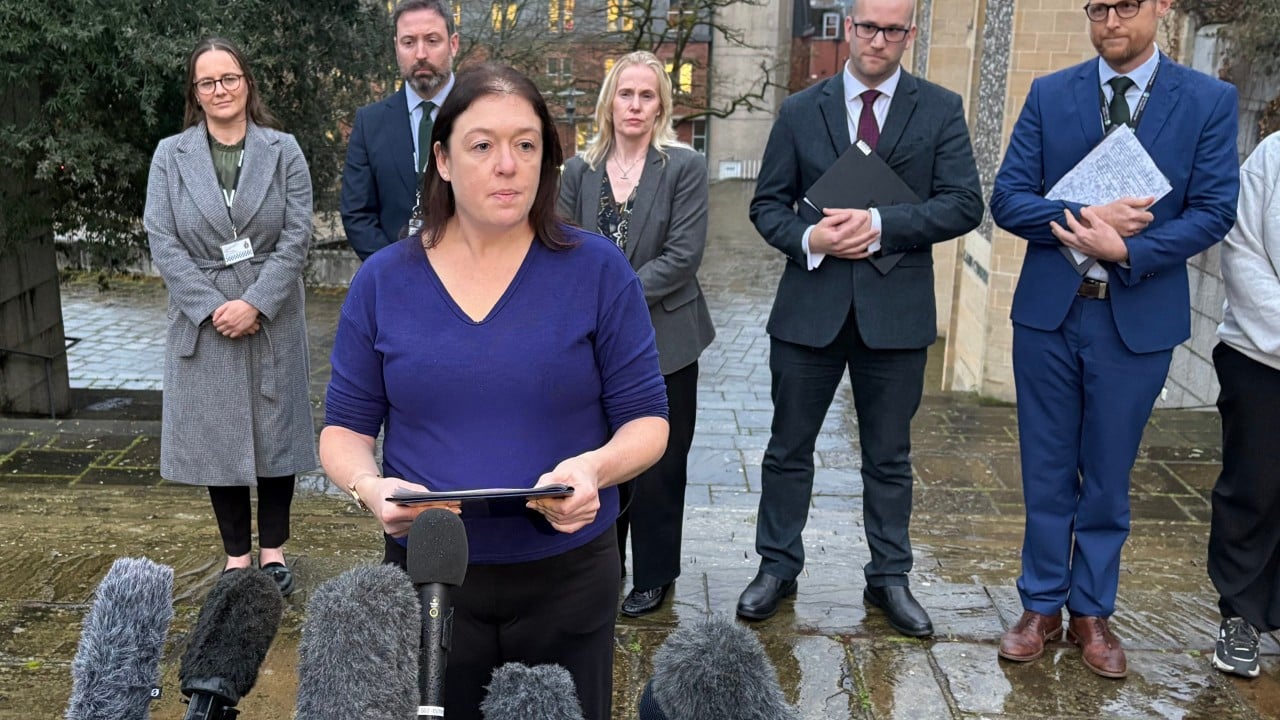
One of the hardest parts of Joanne Young's post-verdict statement wasn't legal jargon. It was her plain admission that the abuse cost her the life she knew, made leaving the house difficult, and showed her that home offered no protection either.
In my experience looking at how cases like this play out, three obstacles trip up victims and bystanders alike:
- Memory gaps and self-doubt: Sedatives and covert drugs frequently cause amnesia or heavy drowsiness. People wake up feeling "off" and second-guess their own recollection, especially if a trusted partner reassures them nothing happened.
- Delayed testing: Many toxicology markers clear the body quickly. By the time someone realizes something sinister occurred—or discovers photos, videos, or messages months or years later—routine bodily fluid tests may no longer detect the substance.
- Fear of disbelief: When the alleged orchestrator is a spouse or long-term partner with a respectable public face—in this case, Philip Young was a former local councillor—victims often worry nobody will believe the betrayal.
That's why waiving anonymity, as both Gisèle Pelicot and Joanne Young chose to do, carries such weight. Not every survivor wants or should feel pressured to go public—privacy is a vital right—but when survivors do speak openly, it helps other people recognize warning signs they might otherwise dismiss.
What This Verdict Means for Law and Everyday Safety
Joanne Young has called for changes to consent laws following the verdicts, and the men convicted alongside Philip Young—plus Dean Hamilton, who previously admitted offenses—face sentencing next month at Winchester Crown Court, with Justice Pushpinder Saini warning of significant custodial sentences.
Whether Parliament tightens statutory wording around consent or courts continue refining how juries evaluate claims of mistaken belief in consent, one takeaway is already clear. Claiming "I thought the husband arranged it" won't automatically shield someone from criminal liability when a person is incapacitated and never asked directly.
If you or someone you know is worried about covert drugging, non-consensual recording, or abuse inside a relationship, practical steps matter right away:
- Preserve evidence immediately: Save text messages, dating or swinging site profiles, call logs, and any device or cloud records without deleting anything, even if the context seems confusing at first.
- Seek medical and forensic help early: Ask a clinician or sexual assault referral service about timely toxicology and medical options, and write down exact dates, symptoms, and memory gaps while they're fresh.
- Lean on specialist support: Contact a reputable domestic abuse or sexual violence helpline—such as Rape Crisis England and Wales or Refuge in the UK, or Europol resources for broader European crime context—to plan safety discreetly without tipping off a potential perpetrator.