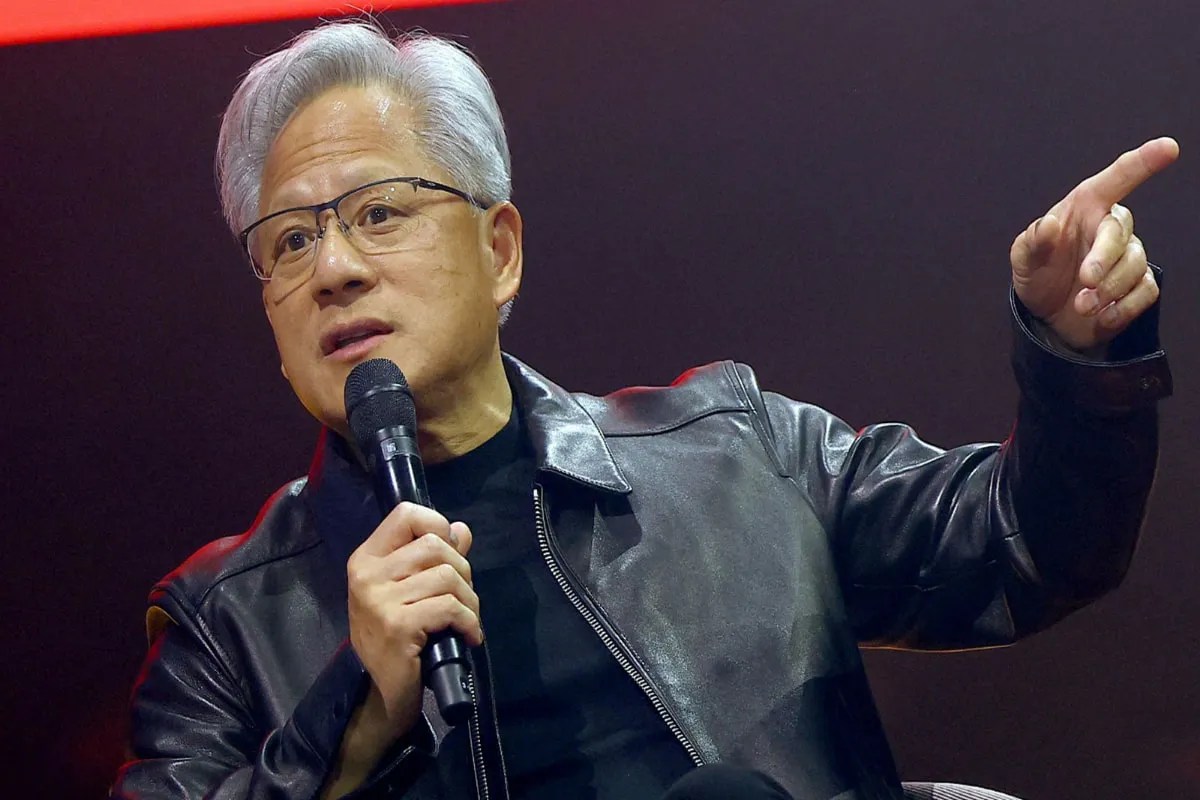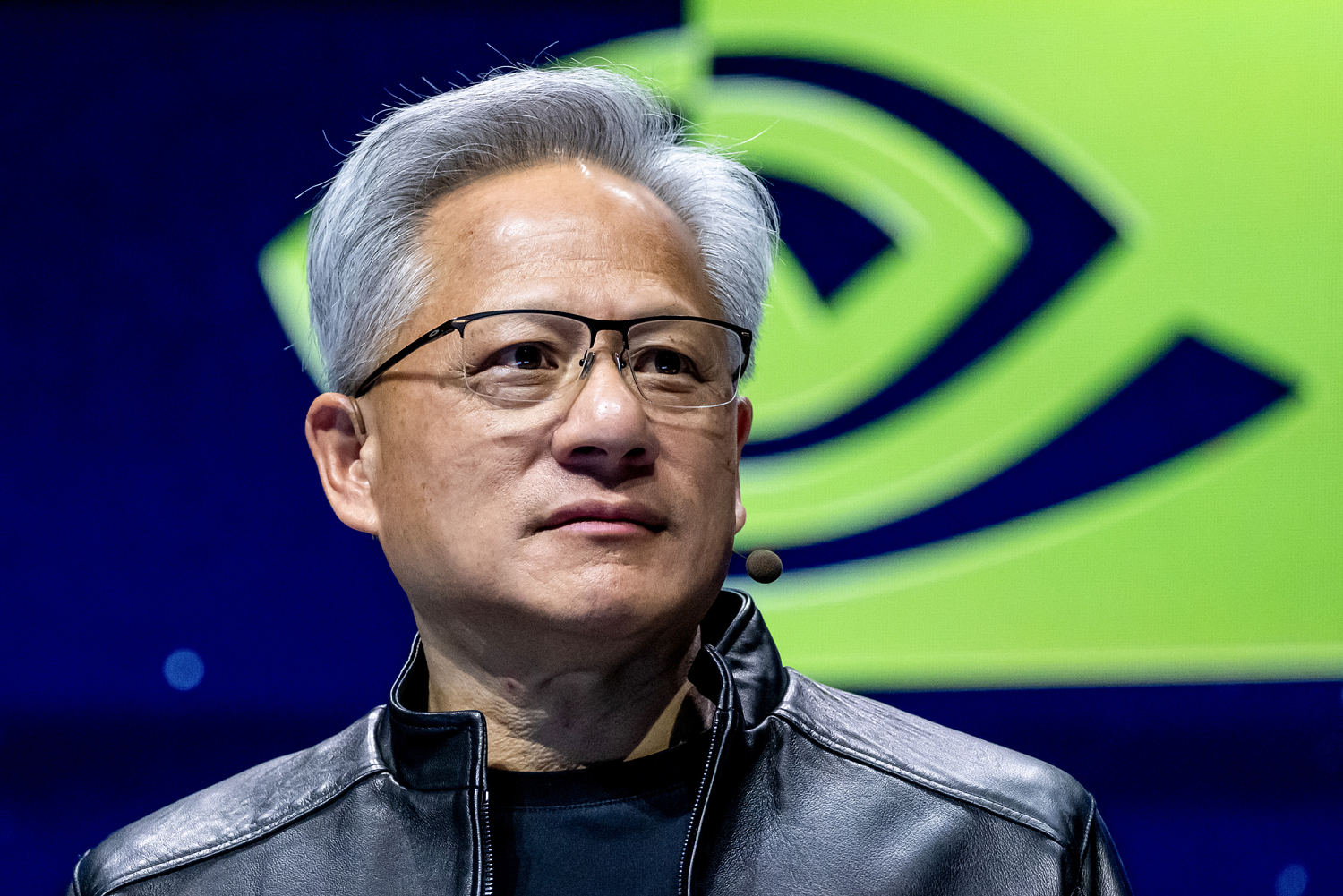
Power relies on control, and few tech leaders held as much centralized authority as Jensen Huang. When Nvidia announced his immediate departure, Wall Street panicked. Billions vanished from market valuations overnight. It wasn't just another corporate scandal involving a high-profile executive stepping down. It marked the abrupt end of an era for the most critical hardware supplier powering the artificial intelligence boom.
For years, Huang sat at the absolute center of Nvidia's sprawling empire. He maintained over sixty direct reports, refusing to build a conventional corporate hierarchy or name a clear successor. That design choice made him irreplaceable. When a crisis hit, the lack of an heir apparent triggered instant chaos. Meanwhile, you can find similar stories here: How China And Oman Are Building A Commercial Space Ai Network In Orbit.
The Spy Scandal That Broke the Boardroom
The public downfall accelerated after intelligence reports linked Huang to an extramarital affair with Alice Huang, a former executive at Megaspeed International. U.S. intelligence agencies flagged her as an operative working on behalf of Beijing. Separate reporting also revealed another relationship with an internal Nvidia employee.
While Beijing dismissed the espionage claims as baseless smears, the geopolitical fallout was immediate. Nvidia hardware serves as the foundation of modern artificial intelligence. Any compromise involving high-end processing units touches directly on national security. U.S. export controls restrict advanced chips from reaching foreign adversaries. The revelation that the head of the world's most valuable chipmaker had personal ties to a suspected intelligence asset created an untenable regulatory nightmare. To understand the bigger picture, check out the excellent analysis by Wired.
Shareholders watched millions evaporate as market indices reacted violently. Wall Street hates uncertainty, and a leaderless chipmaker amid federal counterintelligence probes is the ultimate worst-case scenario.
How Nvidia Operates Without Its Founder
Colette Kress, the chief financial officer, stepped in as interim CEO while the board scrambles for a permanent fix. Harvey C. Jones was named the company's first-ever chairman to stabilize governance. Yet, replacing a visionary founder who spent decades steering silicon architecture isn't a plug-and-play exercise.
Nvidia's entire identity has been fused with Huang's leather jacket-wearing persona. He personally pitched enterprise clients, negotiated high-stakes political deals, and shaped Washington's perspective on AI regulation. Without him at the helm, the company faces severe headwinds. Competitors like AMD and custom silicon initiatives inside tech giants are eager to capture market share while Nvidia handles internal turmoil.
What Happens Next for the AI Economy
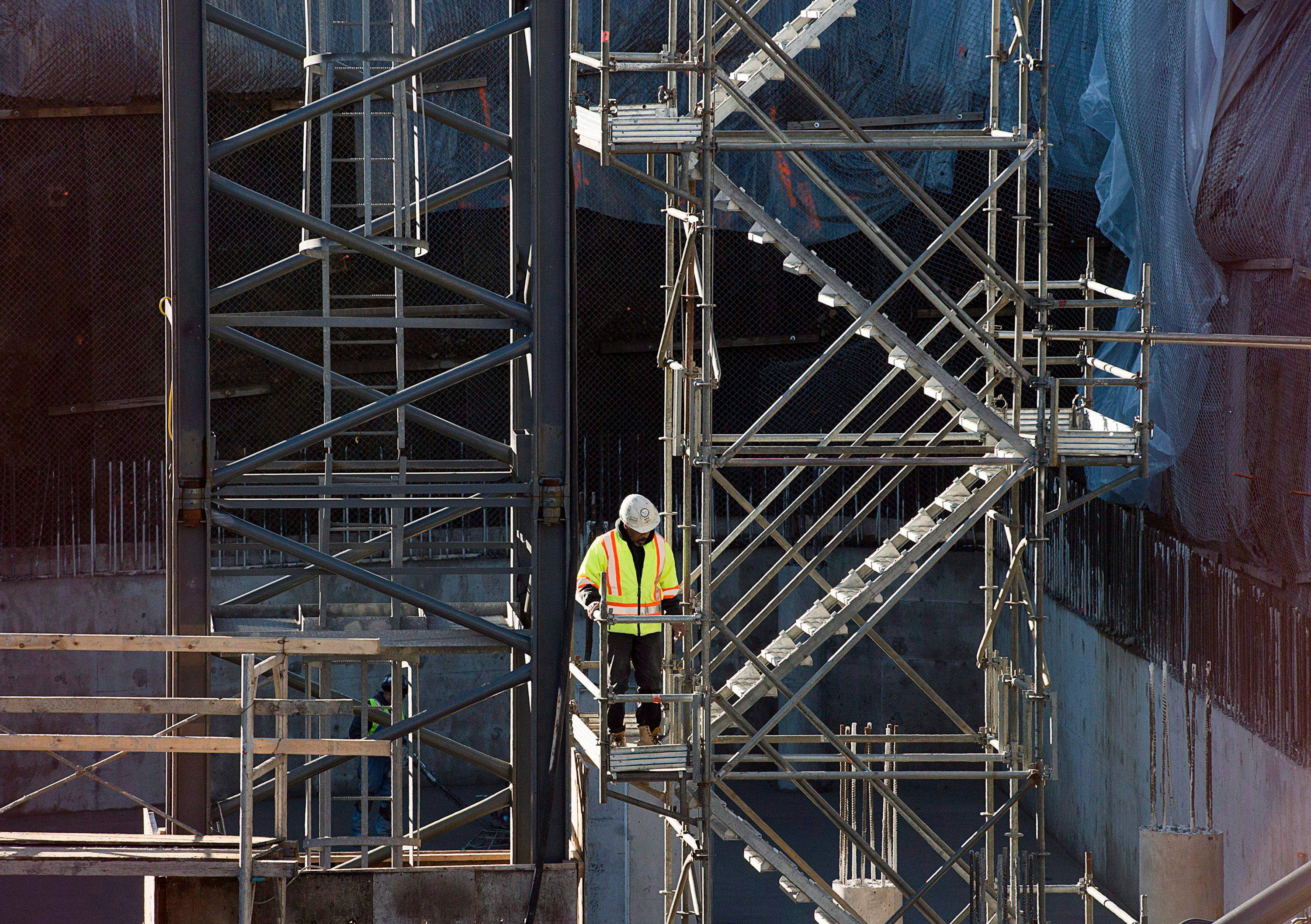
The broader artificial intelligence ecosystem depends on a steady supply of high-performance hardware. If regulatory scrutiny tightens around Nvidia's governance and past sales pipelines into Asia, data center construction could stall.
Investors are no longer pricing in limitless upside. They are pricing in risk. Governance models that concentrate absolute power in a single founder are facing a harsh reckoning. When the pillar of the modern tech economy crumbles under personal misconduct and security alarms, the entire market feels the tremor.
The era of unchecked founder rule in Big Tech is meeting its limits. Accountability has finally caught up to the silicon king.