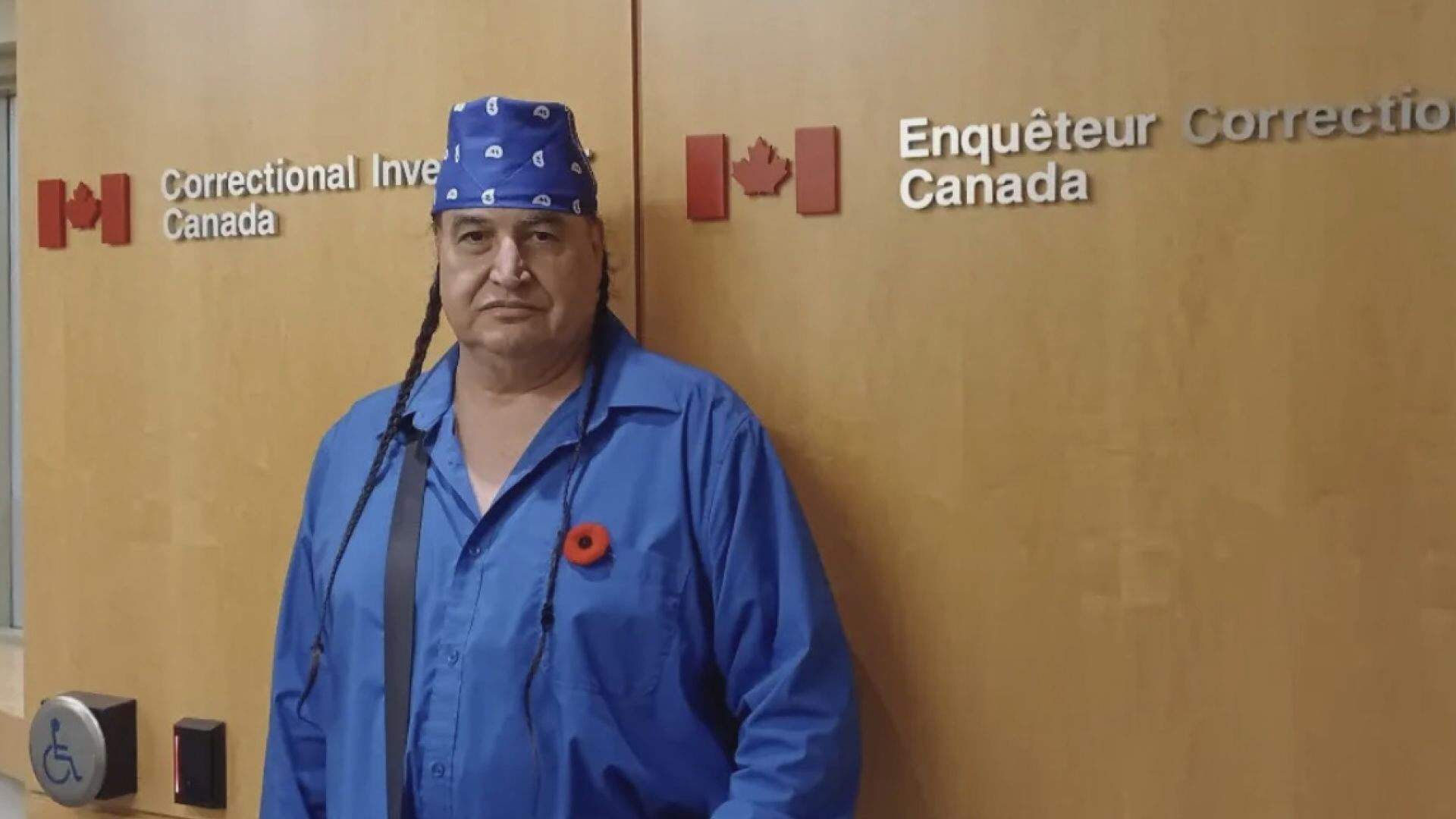
The Correctional Service of Canada didn't waste time when things went sideways. Jeffrey Ewert, a convicted murderer whose presence at McGill University sparked immediate campus outrage, found himself back behind bars on Saturday.
If you've been following Canadian headlines lately, you know the story. Ewert spent roughly four decades in federal prison for horrific second-degree murder and attempted murder convictions stemming from 1980s attacks in British Columbia. When he walked out on day parole in 2025 and subsequently enrolled in law classes at McGill University in Montreal by August 2026, it triggered a massive backlash. Students didn't want him in their lecture halls. Prosecutors spoke out. And now, his conditional release has been abruptly suspended.
What does this rapid reversal actually mean for the intersection of the Canadian justice system, prisoner rehabilitation, and public trust? Let's break it down.
The Trigger Behind the Warrant
When an offender on conditional release gets pulled back into custody, it isn't done on a whim. The Correctional Service of Canada issues these warrants when officials determine there are reasonable grounds that a condition of release has been breached. Alternatively, it happens when the perceived risk can no longer be safely managed in the community.
Ewert's case crossed that line. While officials kept tight-lipped on the exact triggering incident due to privacy and ongoing administrative protocols, the timing speaks volumes. Ever since news broke in October that a convicted killer with a 40-year rap sheet was sitting in undergraduate or professional law lectures, public pressure mounted. McGill University barred him from campus almost immediately, recognizing the untenable safety and cultural environment his presence created.
The Rehabilitation Versus Public Safety Debate
Canada's federal corrections system operates on a foundational mandate: rehabilitation. The core philosophy dictates that even individuals convicted of the most violent crimes can eventually be integrated back into society if they demonstrate remorse, reform, and low risk.
Ewert served 40 years. For the Parole Board of Canada, that four-decade stretch apparently met the statutory threshold for day parole in 2025.
Here is where the theory hits a massive wall of public reality. Critics, including retired judges and former prosecutors who dealt with Ewert's original trials, argue that some crimes are so heinous they forfeit the right to a normal re-entry. Rick Miller, a retired prosecutor who faced Ewert in court decades ago, didn't mince words when talking to media outlets, labeling him as brutal and dangerous.
When a high-profile inmate transitions from a cell straight into a prominent law school—a profession built on ethics, justice, and the rule of law—the optics test the limits of public patience. How can someone who shattered lives in the 1980s study the very framework designed to protect citizens?
What Happens Next in the Review Process
A suspended conditional release doesn't automatically mean an immediate, permanent return to a maximum-security cell for life, though it often points in that direction.
The system moves to a formal review.
- The Correctional Service of Canada prepares a comprehensive assessment of the alleged breach.
- The case moves back to the Parole Board of Canada.
- Board members decide whether to cancel the suspension, modify the parole conditions, or revoke the day parole entirely.
Given the intense scrutiny surrounding Ewert, the Parole Board faces heavy pressure. If he broke a minor administrative rule, he might fight to get back out. If he demonstrated behavioral red flags indicating a latent threat to public safety, his freedom is likely gone for good.
Cases like this expose the raw nerves of criminal justice policy. They force us to look past legal theory and stare directly at the friction between giving people a second chance and protecting communities from those who broke the social contract beyond repair.