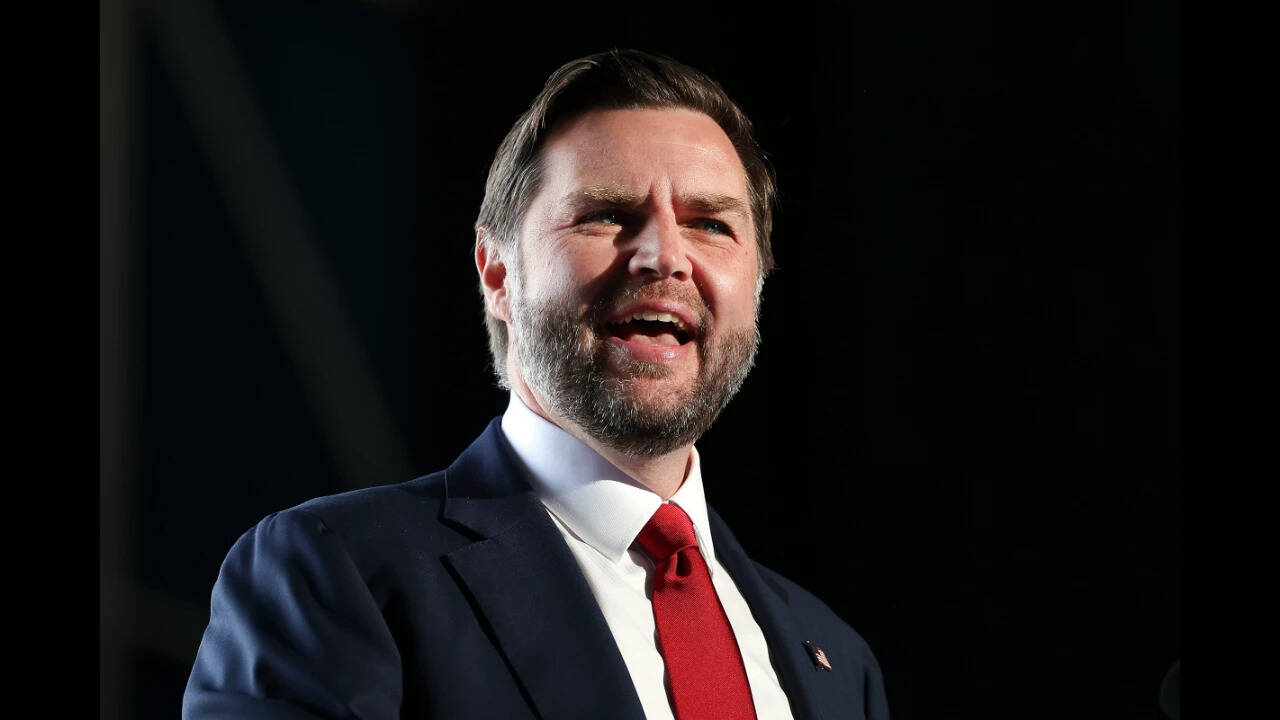
Vice President JD Vance didn't try to sugarcoat the midterm wreckage when he logged onto social media Wednesday. Instead, he admitted something party leaders usually whisper behind closed doors: Republican voters actually showed up at the polls, but millions of them crossed party lines to vote Democratic.
The primary driver behind that defection wasn't a lack of campaign advertising or poor ground operations. It was foreign policy and economic friction sparked directly by the war in Iran.
The Turnout Trap That Fooled Campaign Strategists
Going into election day, Republican campaign managers felt genuinely optimistic. The internal turnout metrics looked promising. Key precinct numbers showed conservative base voters heading to polling stations early and in strong numbers. The assumption inside the war rooms was simple: high Republican turnout equals victory.
That assumption collapsed as returns poured in.
Vance revealed he had reached out to a trusted data strategist right before election night to ask if strong voter turnout meant an impending upset win. The pollster's response was sharp and sobering. The data wasn't showing a voter turnout problem. It was showing a voter conversion problem.
Base voters who backed the Trump-Vance ticket in 2024 showed up in 2026, but a significant portion marked their ballots for Democrats. Vance acknowledged that while minor ground-game improvements could have been made, voter turnout wasn't the root cause of the rout.
Four Core Issues Driving Republican Voters Away
According to polling data cited by Vance, the cross-party defections came down to four explicit policy pressure points that alienated core supporters:
- The Ongoing War in Iran: Foreign military engagement pulled focus and resources away from domestic priorities, exhausting a base that favored non-intervention.
- Cost of Living and Inflation: Everyday expenses remained high, and voters linked economic instability directly to global conflicts.
- The 'America First' Principle: Voters felt foreign entanglements betrayed the foundational promise to prioritize domestic infrastructure and economic health.
- Reshaping US Relations with Israel: Shifting diplomatic realities created friction among traditional voting blocs who expected a different strategic balance.
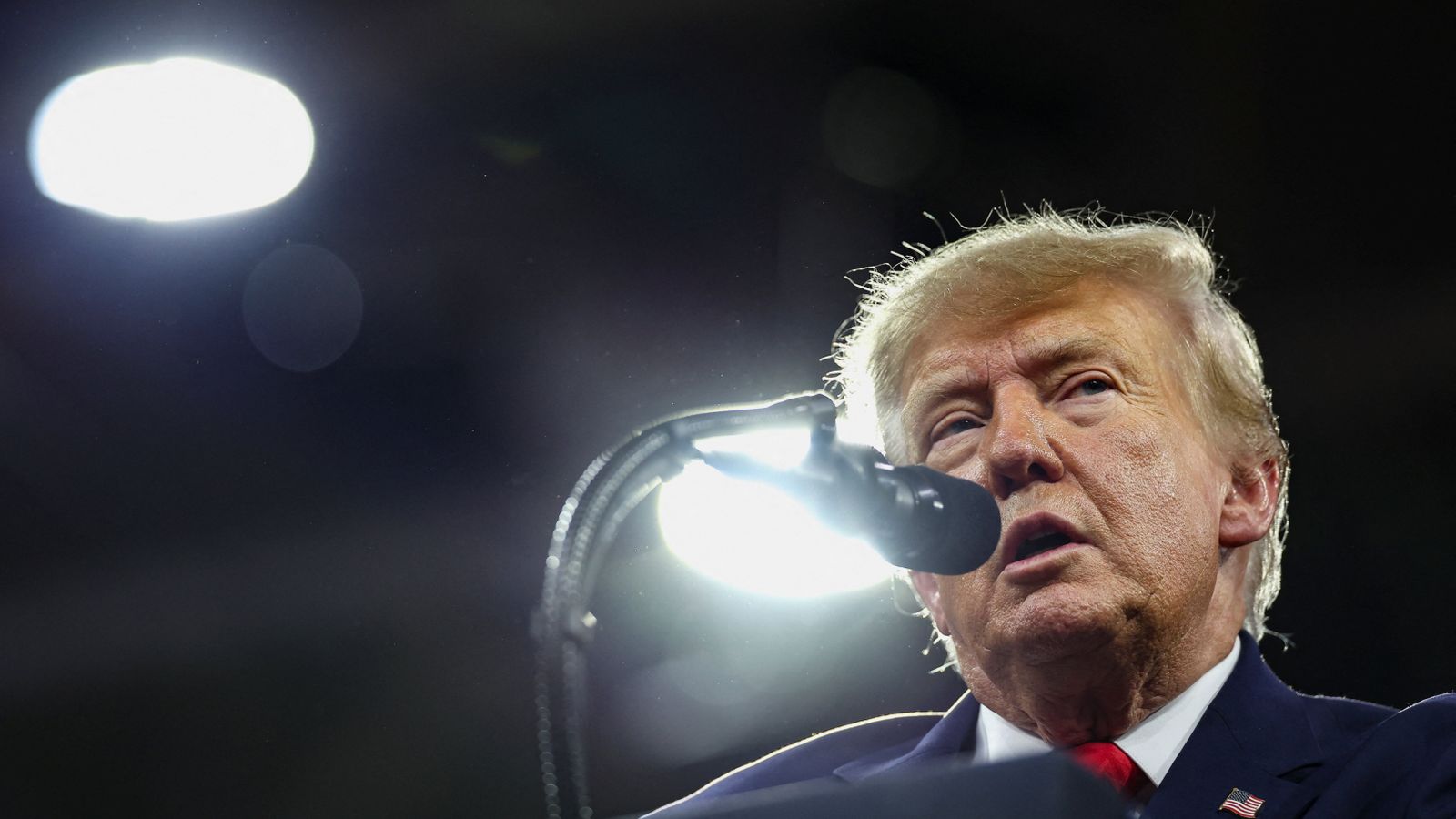
Vance highlighted that an honest assessment of where the Republican party goes from here must start with recognizing the direct fallout of foreign conflict. Donald Trump himself acknowledged the war's political toll, emphasizing how foreign military operations heavily reshaped public sentiment leading up to the vote.
Foreign Policy Overreach Collides With Base Expectations
The 2024 coalition was built on a promise of pragmatic economic focus and avoiding long-drawn-out foreign conflicts. When military engagements escalated in Iran, the political fallout was immediate. High gas prices, supply chain anxieties, and defense spending debates forced working-class voters to re-evaluate their alignment.
When voters feel their core economic and peace-focused expectations aren't met, political loyalty breaks quickly. In swing districts across the country, middle-of-the-road conservative voters chose to send a clear message through their ballots rather than staying home.
What Political Strategists Need to Do Next
Rebuilding a winning political coalition after a midterm reset requires real policy adjustments, not just refreshed talking points. Political campaigns watching this shift can draw concrete takeaways:
- Align foreign policy with domestic realities: When foreign entanglements strain the domestic economy, voters hold the incumbent party directly accountable.
- Address core cost-of-living drivers: Messaging around macro-economic metrics fails when voters still struggle with daily expenses at the grocery store and gas pump.
- Listen to internal polling warnings: Data tracking voter sentiment shifts matters far more than raw turnout totals. If base voters are angry, high turnout can work against you.
Moving forward, the focus inside the GOP shifts to whether leadership will adjust its foreign policy posture to win back the working-class voters who walked away.