When American politicians tear each other apart over congressional control every two years, foreign capitals watch with a mix of anxiety and exhaustion. Tokyo has stopped watching passively. Domestic electoral gridlock in Washington routinely threatens to paralyze the White House, leaving a massive vacuum in the Indo-Pacific.
Japan isn't waiting around to see if the next domestic budget battle or midterm distraction leaves its shores unprotected. Tokyo is actively redesigning its national security posture to function with or without sustained American oversight.
The Reality of Post-Election Paralysis in Washington
You can't build a reliable defense strategy on the assumption that the United States Congress will remain laser-focused on East Asian deterrence indefinitely. Midterm cycles routinely drain the political bandwidth of American administrations. Domestic spending fights, polarized confirmation battles, and election-year posturing mean that vital foreign policy directives can stall overnight.
For Tokyo, this vulnerability isn't a theoretical exercise. It's an operational hazard. If a contested Congress halts supplemental defense funding or gets bogged down in domestic culture wars, the security architecture of the Western Pacific could fracture.
Japan's leadership recognizes that relying entirely on a volatile Washington is a failing bet. That's why Prime Minister Sanae Takaichi's administration and defense planners are accelerating regional defense partnerships. They're weaving an independent safety net across the region to ensure that a distracted superpower doesn't leave East Asia exposed.
Moving Past Dependence Through Regional Networks
Tokyo's strategy goes far beyond simply buying more American hardware. It's about building hard diplomatic and military sinew directly with middle powers that share common security concerns.
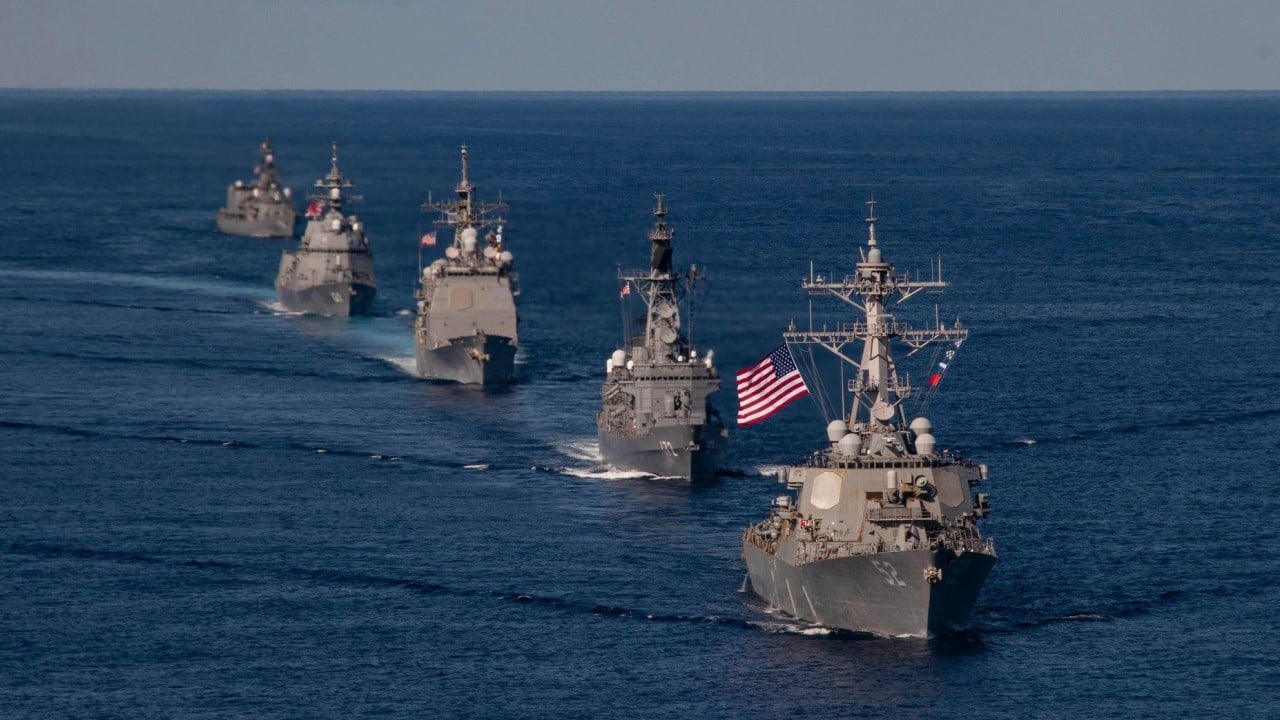
Look at how Japan is expanding its bilateral and trilateral security frameworks. Joint military exercises, such as the massive Keen Sword drills involving Japanese, American, and Canadian forces, serve a dual purpose. They test combined operational readiness while simultaneously institutionalizing multinational cooperation that doesn't depend solely on Washington's daily political weather.
Furthermore, Japan is stepping up its defense equipment transfers and capacity-building assistance to frontline maritime nations like the Philippines. By upgrading coastal surveillance capabilities and sharing intelligence directly with Southeast Asian partners, Tokyo is hardening the entire regional perimeter.
The Economic and Cyber Underpinnings of Self-Reliance
Military pacts only tell half the story. Tokyo knows that modern deterrence extends straight into corporate networks, supply chains, and advanced technology sectors.
Corporate Japan has historically treated cybersecurity with a degree of insularity, relying on the unique nuances of the Japanese language as a crude firewall against international threat actors. That luxury has evaporated. Cyberattacks against Japanese critical infrastructure and corporate supply chains have grown faster and more sophisticated, often leveraging automated tools that bypass traditional linguistic defenses.
In response, Tokyo is upgrading its cybersecurity frameworks and integrating them more tightly with trusted regional allies. Securing critical supply chains for semiconductors, rare earths, and advanced manufacturing ensures that economic coercion cannot easily break Japan's industrial backbone during a period of superpower distraction.
What This Means for Global Security
Tokyo's pivot doesn't mean a complete break from the US-Japan security alliance. Washington remains the ultimate anchor of regional deterrence.
Instead, it's a pragmatic evolution. Japan is transforming from a dependent junior partner into a proactive security anchor. By taking on heavier operational burdens and cementing regional networks, Tokyo is sending a clear message to Beijing and Washington alike.
Security in the Indo-Pacific is no longer just an American project. Japan is writing its own insurance policy, and it's sticking to it.
Japan's Foreign Policy Goals Amid U.S. Strategic Recalibration
This video provides key context on how Japan is managing its evolving foreign policy goals and diplomatic positioning amid ongoing shifts in Washington's strategic priorities.