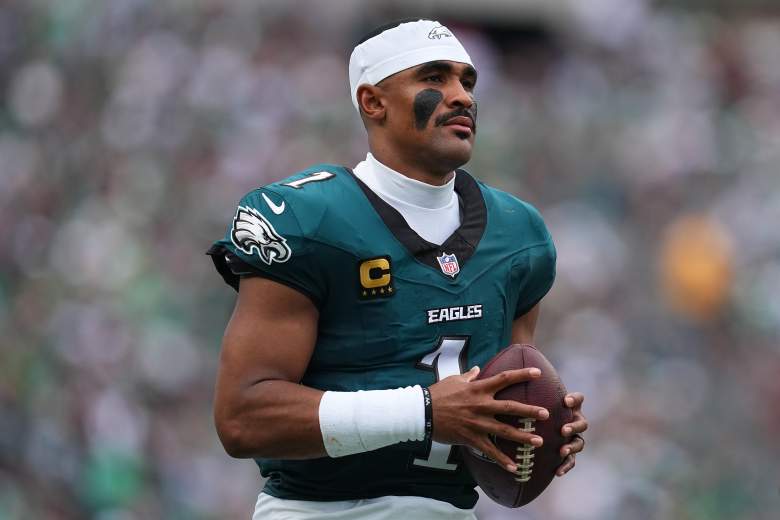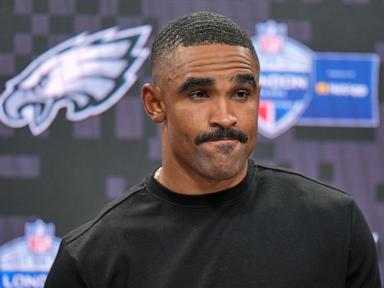
Football fans and fantasy managers got a shock when the Philadelphia Eagles announced their franchise quarterback was sidelined. Jalen Hurts wasn't battling a routine shoulder sprain or a twisted ankle. Instead, a superficial blood clot in his calf forced the team to slam the brakes on his season.
Medical emergencies in the NFL usually involve torn ligaments, concussions, or broken bones. A vascular issue hits differently. When the news dropped, it sent shockwaves through the organization and left everyone wondering how a simple calf bruise turned into a multi-week absence.
How The Issue Started
The timeline dates back to an early October game against the Los Angeles Rams. Hurts took a hard hit, getting cleated directly in the lower leg. It looked like a standard football knock at first. He sought treatment, brushed it off, and kept preparing for the team's international trip.
Then came the London flight. Long-haul commercial or charter flights are notorious for restricting lower-body mobility, which restricts blood circulation. Combine that cabin immobility with post-game inflammation and dehydration, and you have a recipe for vascular trouble.
An ultrasound performed after landing in London detected a small, superficial blood clot. Medical staff reviewed the scans and cleared him to play, believing the risk was low and that activity would help. He played the game without limitations, practiced fully early in the week, and felt fine.
The Turning Point That Changed Everything
Things shifted on a Wednesday night. A follow-up ultrasound revealed movement in the small clot. Once a vascular blockage shows signs of progression, medical protocols change instantly.
Sports doctors note that superficial clots in surface veins are generally less dangerous than deep vein thrombosis, but they carry a real risk of migration. If a clot breaks loose and travels deeper into the venous system, it can become a pulmonary embolism. The Eagles organization made the right call by pulling him out immediately. Football games pale in comparison to vascular safety.
What A Superficial Blood Clot Actually Means For An Athlete
When people hear "blood clot," they panic. It's important to understand the medical distinction. A superficial thrombophlebitis affects veins close to the skin surface. It causes localized pain, tenderness, and swelling, but it doesn't carry the exact same immediate fatality risk as a deep vein clot.
However, professional athletes put extreme demands on their bodies. Blood circulation during high-intensity exercise, coupled with blood thinners if prescribed for treatment, creates a massive complication for contact sports. You cannot take hard hits or absorb tackles while on heavy anticoagulants. That reality alone explains why the team moved him to injured reserve, guaranteeing at least a four-week recovery window.
Filling The Void In Philadelphia
With Hurts out of the lineup, the offensive keys were handed to Tanner McKee. Stepping into a struggling offense mid-season is brutal. McKee hasn't seen extensive regular-season action, meaning the entire playbook has to adjust to a pocket-passer profile rather than Hurts' dual-threat dynamic.
Defenses no longer have to worry about designed quarterback runs or explosive scramble drills. That changes how opponents scheme against Philadelphia entirely. Offensive coordinators must rely heavily on quick-timing routes and establishing the run game to protect an inexperienced backup.
The Broader Lesson On Athlete Health
We tend to view players as indestructible machines. We scream at our televisions when they miss games for minor muscle tightness. Situations like this humble everyone involved. Vascular health doesn't care about contract size, depth charts, or Sunday kickoff times.
Jalen Hurts will return when medical clearance is absolute, not a moment sooner. For now, the Eagles have to weather the storm, adjust their schemes, and prioritize long-term health over short-term panic.