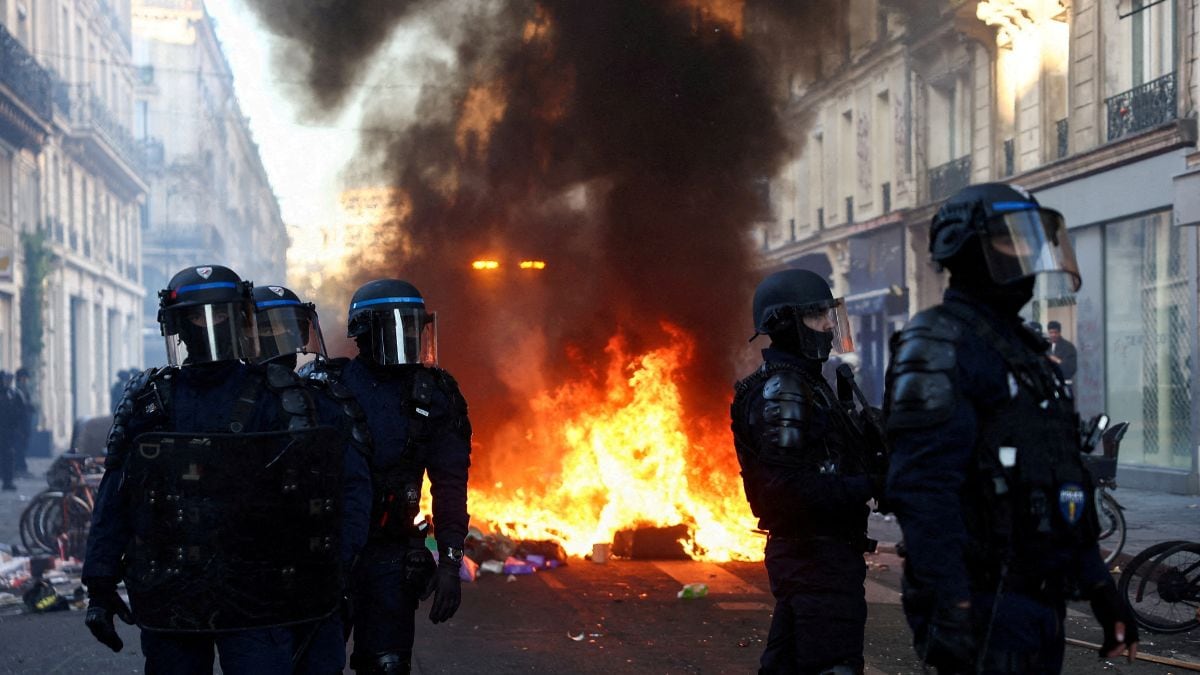
When living costs skyrocket and urban streets turn into battlegrounds, governments rarely respond with patience. Prime Minister Giorgia Meloni’s administration learned this the hard way following a weekend of chaotic demonstrations across northern Italy. Major commercial hubs, particularly Milan near the iconic Piazza del Duomo, saw storefronts smashed, public property torched, and security forces bombarded with blunt objects.
The political fallout was instantaneous. Rome didn't just issue a standard statement condemning the violence. Officials moved quickly to draft emergency security measures aimed straight at expanding police arrest powers and clamping down on juvenile offenders. If you've been watching European civil unrest lately, this script feels painfully familiar, yet the Italian approach carries unique political stakes for a hard-right government facing tough elections next year.
What Triggered the Clampdown
The unrest didn't materialize out of thin air. High school students, university groups, farmers, and truck drivers flooded the streets of Milan, Turin, Bologna, and Bergamo to protest crushing inflation and declining purchasing power. These grievances mirror wider economic frustrations bubbling across Europe, including recent massive demonstrations in France and Belgium over austerity and living standards.
However, legitimate economic dissent quickly got hijacked. Masked youths turned peaceful marches into urban guerrilla warfare. Luxury store windows were shattered, scooters were piled into burning street barricades, and over 140 law enforcement officers sustained injuries. For Meloni, drawing a hard line between legitimate protest and outright thievery became a political imperative. She didn't mince words on social media, calling the perpetrators thugs who hold entire cities hostage.
Inside the New Security Measures
To prevent a repeat of the weekend chaos, Rome’s emergency cabinet meeting set several aggressive strategies in motion.
- Expanded Detention Rules for Minors: Officials noted a troubling surge of underage participants engaging in organized looting. The new framework lowers thresholds for preventive detention and holds parents more financially accountable for property damage.
- Enhanced Police Authority: Law enforcement agencies are receiving broader legal protection and expanded detention powers during public disturbances, allowing them to arrest suspects based on digital surveillance and real-time intelligence rather than waiting for crimes to finish unfolding.
- Military Deployment: The government authorized sending hundreds of troops to secure critical locations in Milan and surrounding regions, freeing up carabinieri and state police to tackle active rioters. Defense Minister Guido Crosetto pushed for provisions enabling military personnel to act with police-equivalent enforcement rights in high-risk zones.
The Digital Mobilization Problem
What caught Italian intelligence flat-footed was the sheer speed of digital coordination. Riot organizers used short-form video platforms and encrypted messaging apps to coordinate flash mobs and target specific retail blocks in real-time. Deputy Prime Minister Matteo Salvini openly pointed out that groups were actively plotting raids on local businesses days in advance using platforms like TikTok.
This digital factor forces police departments to shift from reactive street management to proactive cyber-surveillance. When crowds can mobilize hundreds of rioters within hours, traditional policing models fail. Meloni’s push for expanded powers is partly an attempt to bridge that technological gap, giving authorities legal room to intervene before physical assemblies turn lethal.
What Comes Next for Italian Politics
Italy's domestic stability is walking a tightrope. On one side, ordinary citizens are furious about high prices, energy bills, and stagnant wages. On the other side, shop owners and urban residents demand absolute protection from downtown violence.
By prioritizing strict law-and-order policies, Meloni is betting that voters will support a heavy-handed response over civic leniency. As opposition parties debate civil liberties and human rights groups sound alarms over police overreach, the government remains focused on locking down upcoming weekends. Expect heavy troop presence, restricted public gatherings, and zero tolerance for downtown disruptions across northern industrial centers.
Take practical precautions if you live or work in major Italian metropolitan areas. Monitor local transit updates before traveling, avoid large public assemblies near commercial districts during weekend peak hours, and stay updated on local security alerts to navigate shifting municipal restrictions safely.
Italy's PM Meloni Holds Emergency Security Meeting After Violent
This video provides direct coverage and visual footage of Prime Minister Giorgia Meloni's emergency security response following the violent weekend clashes in Milan.