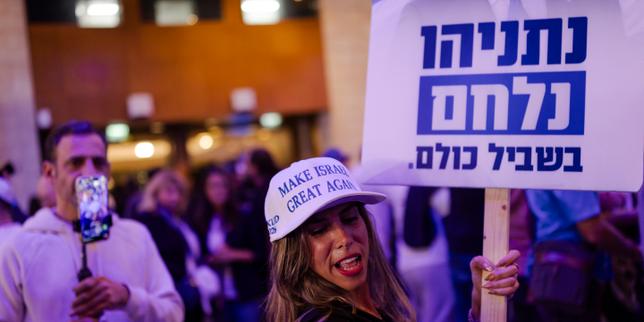
Israel faces another post-election stalemate after millions cast their ballots for the 26th Knesset. With over 85 percent of the votes officially counted, neither major political bloc has reached the required 61-seat majority to form a government. Prime Minister Benjamin Netanyahu's Likud-led coalition holds approximately 53 seats, while opposition alliances, including Gadi Eisenkot's Yashar movement, hold a competing chunk of the legislature.
President Isaac Herzog stepped up on Wednesday with a urgent message for party leaders across the spectrum. He publicly urged politicians to open their minds, negotiate, and do everything possible to prevent yet another election cycle.
The math in the 120-seat parliament is brutal, and the coalition paths look narrow for everyone involved.
How the Knesset Numbers Break Down Right Now
Israel uses a closed-list proportional representation system across a single nationwide constituency. Parties must pass a 3.25 percent electoral threshold to win seats in the Knesset.
With more than 85 percent of ballots tallying completed, the current partial seat distribution looks like this:
- Likud (Benjamin Netanyahu): 26 seats
- Yashar (Gadi Eisenkot): 21 seats
- Joint List (Yosef Jabareen): 12 seats
- Together (Naftali Bennett): 12 seats
- The Democrats (Yair Golan): 8 seats
- Yisrael Beiteinu (Avigdor Lieberman): 7 seats
- Ra'am (Mansour Abbas): 7 seats
- United Torah Judaism (Ya'akov Asher): 7 seats
- Otzma Yehudit (Itamar Ben-Gvir): 7 seats
- Shas (Aryeh Deri): 7 seats
- Religious Zionist Party (Bezalel Smotrich): 6 seats
Looking at the broader alliances, Netanyahu's traditional right-wing and religious bloc sits at around 53 seats. That leaves his coalition short of the 61 seats required to declare victory and rule comfortably.
Opposition forces remain split across several distinct ideological lines, ranging from secular centrists to Arab-led parties.
President Herzog Calls for Compromise to Avoid Repeat Voting
Speaking directly to party heads, President Isaac Herzog emphasized that the public cannot endure an endless series of elections. Under Israeli law, Herzog holds the responsibility of assigning the presidential mandate to form a government.
Once official results are certified, Herzog will conduct formal consultations with each elected parliamentary group. He will then delegate the mandate to the candidate who demonstrates the best realistic chance of assembling a 61-seat majority.
The designated candidate gets 28 days to build a working coalition. If needed, the president can grant a 14-day extension. If that first attempt fails, the mandate moves to another party leader. Should all designated candidates fail to secure a majority, the Knesset automatically dissolves, forcing a new nationwide election within 90 days.
Netanyahu remains in place as caretaker Prime Minister while these multi-week negotiations unfold.
The Difficult Coalition Calculations Ahead
Neither side holds an easy route to 61 seats without breaking previous political pledges or forming unexpected partnerships.
Netanyahu's path requires winning over former allies or convincing opposition factions to cross party lines. However, lingering policy disagreements and personal rivalries complicate those discussions. On the opposition side, building a working coalition requires uniting widely divergent political factions, including nationalist right-leaning figures, centrist security leaders, left-wing democrats, and Arab parliamentary lists.
Surplus-vote agreements signed prior to the election—such as those between Likud and Religious Zionism, or Yashar and The Democrats—will determine how leftover votes get allocated under the Bader-Ofer system as counting finishes.
Next Steps in the Election Process
Official final results will be formally confirmed in early November. Until then, the initial phase of political maneuvering continues behind closed doors.
To keep track of how the next government forms:
- Monitor Official Certification: Watch for the Central Elections Committee to confirm final ballot counts and remaining double-envelope votes.
- Track Presidential Consultations: Follow President Herzog's scheduled meetings with party representatives once official results are handed over.
- Watch Coalition Negotiations: Observe whether key swing parties choose to join a broader unity alliance or hold out for policy concessions.