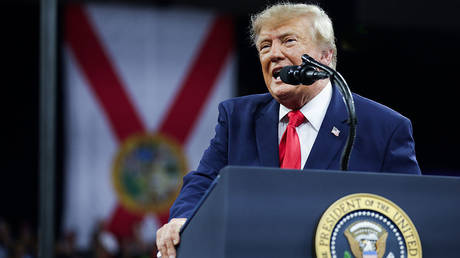
Polling stations across Israel opened early this morning, kicking off a high-stakes legislative election for the 26th Knesset. For Prime Minister Benjamin Netanyahu, this isn't just another routine ballot box showdown. It’s the fiercest political brawl of his decades-long career.
After steering the country through unprecedented domestic turmoil and regional warfare, Israel's longest-serving leader is fighting tooth and nail to hold onto power. Voters are casting their ballots against a backdrop of deep societal fracture, economic strain, and ongoing security fallout from the October 7 attacks and the subsequent conflicts.
Let's look at why this election matters, what's driving voters to the polls, and whether Netanyahu can pull off another signature political comeback.
The Political Landscape and the Numbers Game
Israel's parliament consists of 120 seats, and forming a government requires securing a stable coalition of at least 61 lawmakers. The proportional representation system has always made Israeli politics a messy game of kingmaking, but today's vote feels uniquely polarized.
Netanyahu's Likud party faces stiff competition from a reshuffled opposition block. Key challengers like Naftali Bennett's "Together" party and centrist alternatives are capitalizing on voter fatigue. Years of mass protests over judicial overhauls, combined with unrelenting anger over intelligence failures leading up to late 2023, have eroded the incumbent coalition's margin for error.
Yet writing off Netanyahu has historically proven to be a fool's errand. He remains a master tactician who thrives in crisis mode. His campaign has heavily leaned into security credentials, framing himself as the only statesman tough enough to manage Iran and regional adversaries.
What Voters Actually Care About
If you talk to voters on the streets of Jerusalem or Tel Aviv today, you'll hear a mix of fierce loyalty and profound exhaustion. The central issues dividing the electorate are clear:
- Accountability for Security Failures: A massive segment of the population holds Netanyahu directly responsible for the catastrophic lapses that allowed the October 7 attacks to happen. For these voters, change is an absolute moral imperative.
- The Haredi Conscription Crisis: Ongoing friction over military exemptions for ultra-Orthodox men has fractured the current ruling coalition. Secular and moderate voters are furious about the unequal burden of military service, especially with reservists serving record-breaking tours.
- Economic Pressures: The prolonged state of conflict has drained public coffers, driven up the cost of living, and strained small businesses. Voters want stability and a government that can restore economic predictability.
Will a Change in Leadership Alter Foreign Policy?
Foreign observers often assume that ousting Netanyahu would lead to an overnight shift in Israel's geopolitical stance. That's a misconception.
Even if the opposition manages to cobble together a 61-seat majority, consensus on core national security issues remains remarkably hawkish across the political spectrum. Figures challenging Netanyahu aren't running on platforms of sweeping regional appeasement. They are offering a different leadership style, less personal baggage, and a promise to repair frayed democratic institutions, but the underlying defense postures against regional threats will likely remain intact.
What Happens Next
Ballots close tonight, but the real drama begins when the results roll in. Coalition negotiations could drag on for weeks, exposing deep ideological fissures among potential partners.
Whether Netanyahu secures another miraculous extension or finally faces political retirement, today marks a definitive turning point for the nation's future.
The votes are being counted right now. The outcome will shape Israeli politics for a generation.
Netanyahu's Faces Test? Israel Goes To Polls In High-Stakes Election
This video provides on-the-ground reporting from polling stations in Jerusalem as voters cast their ballots in this critical election.
http://googleusercontent.com/youtube_content/1