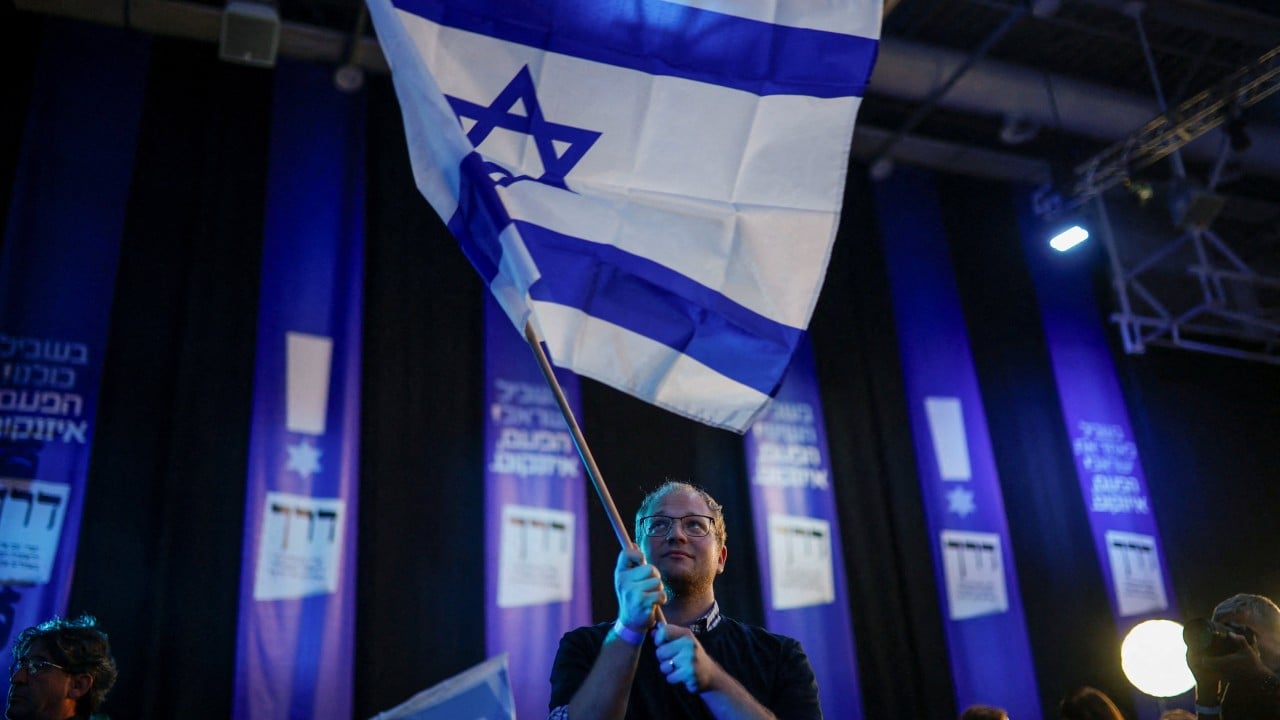
Israel is holding its breath. With over 84 percent of the vote counted by the Central Elections Committee, the country is staring down a familiar, agonizing political deadlock. Benjamin Netanyahu’s right-wing bloc sits at 54 seats, while the opposition camp led by Gadi Eisenkot trails at 49, and Arab parties hold 17.
Nobody has the magical 61 seats needed to form a governing majority in the 120-seat Knesset. If you enjoyed this piece, you should look at: this related article.
If you're wondering what happens next, you're not alone. The Tel Aviv Stock Exchange reacted instantly, with the benchmark TA-125 sliding 1.7 percent and the shekel weakening as financial markets panicked over the looming instability. Elections don't exist in a vacuum, and this one follows years of brutal wartime trauma, historic voter turnouts exceeding 77 percent, and an exhausted public desperate for clarity.
Here is how this vote count actually unfolds and where the country goes from here. For another angle on this development, check out the recent update from NBC News.
The Waiting Game for Double Envelopes
Why is the count taking this long? Blame the logistics of Israeli democracy.
The numbers flashing on news screens right now are from regular ballot boxes. However, thousands of votes remain uncounted inside what Israel calls "double envelopes". These belong to soldiers stationed across Gaza, Lebanon, and Syria, as well as diplomats, prisoners, and hospital patients.
Military turnout surged to nearly 80 percent this cycle. Soldiers don't just vote like regular citizens; their votes are sealed twice to prevent tampering before being shipped back to Jerusalem. Tallying these specific ballots always shifts the math slightly.
The Central Elections Committee expects to finish the preliminary running counts by Thursday, but the final, certified results won't drop until November 4. Until then, every political party is posturing, whispering behind closed doors, and running simulations on whether a stray seat might cross the 3.25 percent electoral threshold.
The Math Problem Facing Netanyahu and Eisenkot
The hard reality of the Knesset is that blocs matter more than individual party victories. Netanyahu’s Likud party pulled in the highest single share of seats, but his traditional coalition partners aren't enough to push him over the finish line alone.
On the other side, Gadi Eisenkot’s opposition alliance has put up a fierce fight, capitalizing on public fatigue with Netanyahu’s long tenure and the severe fallout from the post-October 7 security failures. Yet, the center-left bloc faces an equally steep climb to reach 61 seats.
This leaves both major leaders hunting for wildcards.
Smaller faction movements and Arab parties—which saw a notable rise in representation during this election—find themselves holding immense leverage. History shows that cobbling together a minority-backed or cross-ideological coalition is messy, fragile, and prone to collapsing within months.
What Happens When the Counting Stops
Once the final tallies are certified, the legal process kicks into gear.
The Israeli president will begin formal consultations with the leaders of all parties elected to the Knesset. Lawmakers give their recommendations on who should get the mandate to build a government. The president then grants 28 days—with a possible 14-day extension—to a designated premier-to-be.
If that candidate fails to corral 61 MKs into a room to sign a coalition agreement, the mandate shifts to a rival.
And if both fail? Israel heads right back to the ballot box for another paralyzing round of elections.
Markets hate uncertainty, citizens are drained, and the regional security landscape remains volatile. For now, the entire nation watches the remaining ballot boxes trickle in, knowing that a few thousand votes will dictate the direction of the country for the foreseeable future.