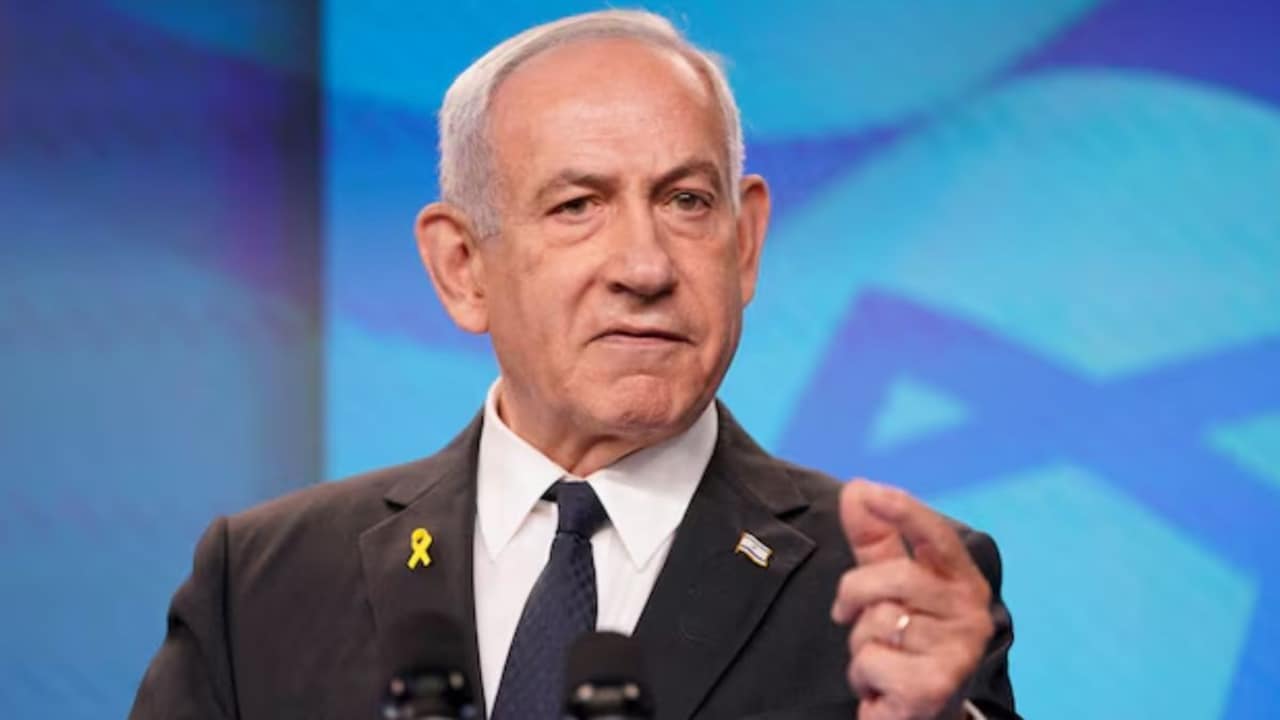
Elections rarely end in clean victories, but the recent deadlock in Israel has exposed a raw nerve that goes far beyond simple math. When the ballots were counted, Benjamin Netanyahu's right-wing bloc fell short of a majority. Meanwhile, Arab-led parties secured a record-breaking 19 seats in the Knesset. This surge has upended the traditional balance of power, leaving the veteran prime minister scrambling while critics watch a long-marginalized constituency step into the kingmaker role.
If you look past the usual media spin, the panic within Likud isn't just about losing a couple of seats. It's about a foundational shift in how political survival works in the country. Expanding on this theme, you can find more in: Why Cy Leung Is Pushing For Refugee Aid In Djibouti Right Now.
The Numbers Game That Changed Everything
For decades, mainstream Israeli politics operated on a rigid premise: Palestinian citizens of Israel could vote, but their representatives would be permanently kept out of executive decision-making. Coalitions were built among Jewish Zionist factions, while Arab parties were treated as perpetual outsiders.
That wall cracked open briefly in 2021 when Ra'am joined a short-lived coalition, but the current election cycle shattered it completely. With Arab factions commanding 19 seats, neither Netanyahu's bloc nor the opposition led by figures like Gadi Eisenkot can easily form a stable government without reckoning with this bloc. Experts at USA.gov have also weighed in on this trend.
Netanyahu knows this reality better than anyone. His entire political brand relies on rallying a Jewish nationalist base by painting any cooperation with Arab lawmakers as an existential threat to the state. When exit polls and final tallies revealed his bloc stalled at 53 seats—well short of the required 61—the response from the right was swift and aggressive.
Turning to Desperate Tactics
Instead of accepting the parliamentary arithmetic, Netanyahu's party amplified unsubstantiated claims that the election had been stolen. Allegations of foreign interference and isolated voter bribery cases were seized upon to cast doubt on the integrity of the vote.
Independent election officials and security agencies quickly pushed back, noting that the allegations lacked systemic backing. Yet the political intent was transparent. By delegitimizing the vote, Netanyahu aimed to erect an insurmountable barrier against any opposition attempt to build a minority or alternative government backed by Arab legislators.
The opposition faces its own internal dilemmas, of course. Figures like Eisenkot and other right-leaning challengers have historical reservations about partnering with Arab-led parties due to deep ideological divides and intense public scrutiny. Yet, the sheer weight of 19 seats makes ignoring them nearly impossible if the goal is to unseat the current administration.
What This Means for Everyday Politics
Beyond the parliamentary maneuvering, this moment highlights a stark contradiction within Israeli society. Palestinian citizens make up roughly twenty percent of the population, yet they have long faced severe socioeconomic hurdles, soaring violent crime rates due to chronic under-policing, and heavy restrictions on free expression.
When Arab voters turn out in massive numbers, they aren't just participating in a civic ritual; they are fighting against systemic neglect. Their demands are practical: better housing, effective policing against organized crime, and economic investment in their towns. By flexing their political muscle in the Knesset, these parties are demanding that no future government can afford to treat them as invisible ghosts.
The Road Ahead
Israel now stares down a grim menu of options: months of grinding paralysis, backroom deals to poach defectors, or yet another round of fresh elections. Each path carries massive risks for Netanyahu, who has built a multi-decade career on outlasting his rivals.
The era of sideline politics is over. Whether the current opposition finds a way to bridge the gap or the country heads back to the ballot boxes, the political landscape has permanently shifted. Arab parties have proven they hold the keys to the kingdom, and no amount of political theater or rhetoric can put that genie back in the bottle.
Israel Election Deadlock: Netanyahu Short Of Majority, Arab Parties Emerge As Kingmakers
This video provides an in-depth look at the political deadlock in Israel and how the surge of Arab party seats reshaped the election outcome.