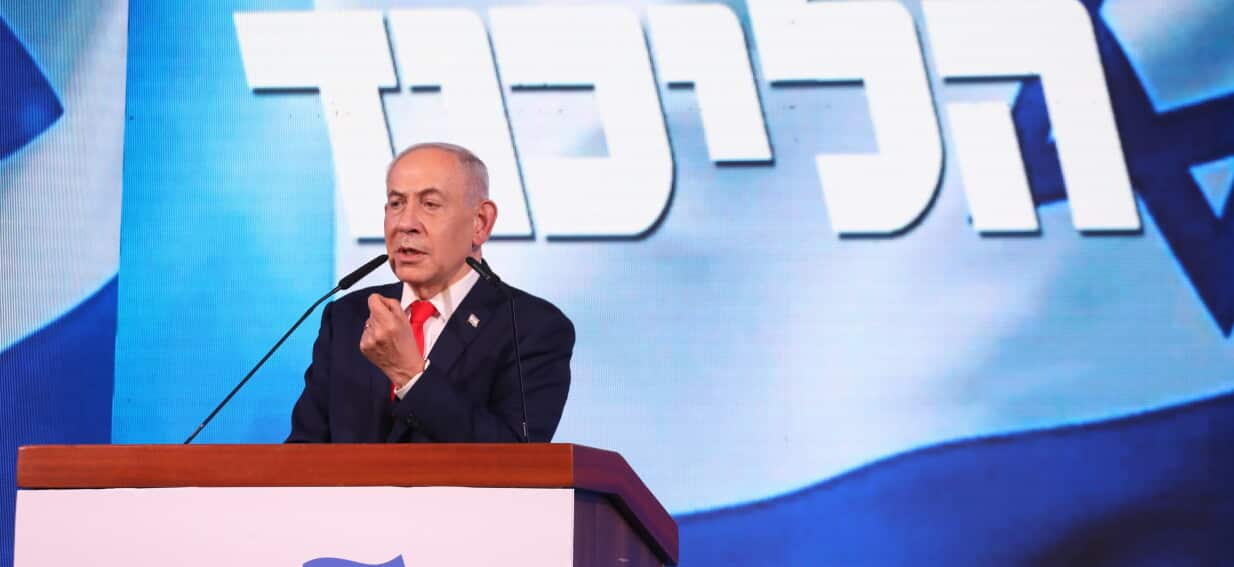
Israel’s political landscape has hit yet another wall. Following a fiercely contested general election, preliminary tallies show Prime Minister Benjamin Netanyahu’s right-wing bloc holding a narrow lead with 53 seats, trailing far behind the 61-seat threshold needed for a governing majority in the 120-member Knesset. The opposition camp led by Gadi Eisenkot stands at 48 seats, while Arab-led parties secured a commanding 19 seats.
Instead of accepting a hung parliament, Netanyahu's Likud party launched an explosive offensive. They claimed, without immediate public proof, that Arab political parties "stole" the election through widespread fraud, bribery, and voter intimidation. It's a high-stakes gamble that exposes deep structural fractures in Israeli democracy.
The Anatomy of an Inconclusive Vote
Elections in Israel rarely end cleanly, but this cycle feels exceptionally volatile. With partial counts showing neither the right-wing religious bloc nor the center-left opposition able to piece together a stable coalition, the nation is staring down the barrel of chronic political paralysis.
The core issue isn't just the numbers on the board. It's the surging voter turnout in Arab communities that upended standard projections. Parties like Ra'am and the broader Arab alliances mobilized voters effectively, netting a powerful 19 seats. When traditional right-wing dominance slips, political survival kicks in. Likud's immediate response was to point fingers at that exact demographic surge, labeling it the result of systemic electoral theft.
Inside Likud's Fraud Claims
Likud didn't just express mild concern. The party alleged that criminal offenses—including bribery, threats, ballot box forgery, and unauthorized software usage—corrupted polling stations across Arab towns. Leadership announced plans to hand over hundreds of testimonies to the Israel Police, the Shin Bet security agency, and the Central Elections Committee.
Yet, law enforcement and election officials have pushed back, noting that foundational evidence backing up a mass conspiracy has not been made public. Figures like Rahat Mayor Talal al-Krenawi sharply rejected the allegations, calling them baseless incitement against Bedouin and Arab citizens who simply wanted to exercise their democratic rights. Independent watchdogs and security chiefs have similarly stressed that while routine irregularities are investigated after every cycle, broad claims of a stolen election lack substantive backing.
President Isaac Herzog stepped into the fray, urging a thorough, objective review by authorities while warning against casting blanket suspicion on an entire community for participating in the democratic process.
What Happens Next in the Knesset
The official vote certification deadline looms, and hundreds of provisional ballots—including votes from military personnel—remain part of the final tally. Even if minor shifts occur, neither major bloc is projected to magically cross the 61-seat majority line on its own.
This leaves Israel's political future hanging by a thread. President Herzog will soon host formal consultations with faction leaders to explore whether a unity government or a narrow minority arrangement can somehow be cobbled together. Refusing to concede defeat and firing up voter fraud narratives allows Netanyahu to rally his base, buy political breathing room, and cast doubt on any coalition attempt built without him.
The rhetoric surrounding these elections will echo long after the final ballots are counted. Trust in democratic institutions takes years to build and seconds to burn down. Whether these fraud allegations yield concrete legal findings or simply serve as a tactical smokescreen, Israel's path forward remains murky, expensive, and deeply divided.