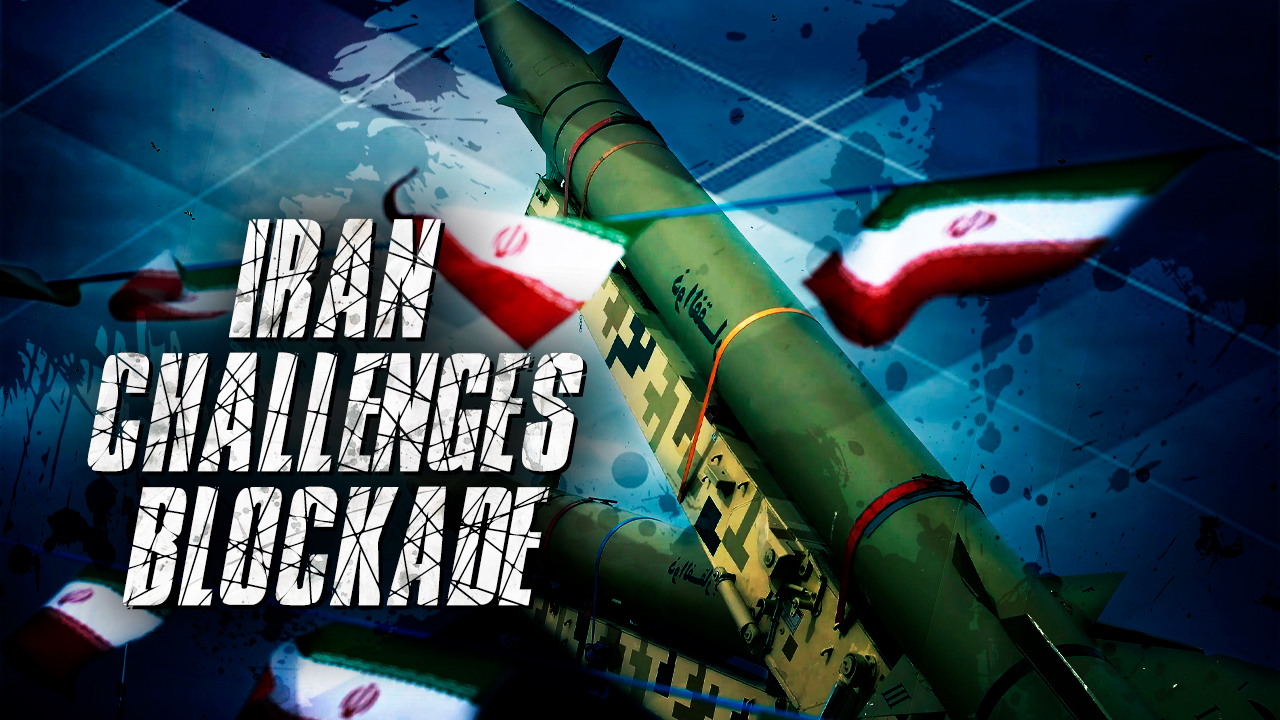
Let's cut straight to the chase. When a choke point handling a massive share of the world's daily oil gets locked down, global markets panic. That's exactly what happened when Iran weaponized the Strait of Hormuz amid mounting military pressure and naval blockades. But the diplomatic temperature just shifted dramatically on the sidelines of the United Nations General Assembly in New York.
Iranian Foreign Minister Abbas Araghchi laid out a striking proposal during a private gathering. Tehran is offering to completely reopen the Strait of Hormuz and jumpstart stalled nuclear talks within just seven days. There's a major catch, of course. The United States has to lift its naval blockade, waive sanctions on Iranian oil sales, and observe a comprehensive ceasefire that includes Lebanon.
If you're wondering why Iran is suddenly dangling this olive branch, you have to look at the domestic political calendar in Washington. Trita Parsi of the Quincy Institute pointed out the obvious motive during the UN gathering. A swift agreement could hand U.S. President Donald Trump a major geopolitical win right before the November midterm elections. It would also throw a much-needed lifeline to Iran's battered economy, which is choking under severe oil export restrictions.
The Anatomy of the Seven Day Proposal
This isn't entirely new territory. Back in June, both nations signed the Islamabad Memorandum of Understanding following a brief Pakistan-brokered ceasefire in April. That agreement mapped out a sixty-day interim period. It collapsed almost immediately as retaliatory strikes resumed, shipping lanes shut down, and the U.S. beefed up its military presence around Iranian ports.
This time, the timeline is hyper-compressed. Seven days is a blink of an eye in international diplomacy. It signals that Tehran wants fast cash flow and immediate relief from economic pressure. However, deep suspicion remains on both sides. U.S. officials are naturally asking whether Iran is simply trying to buy a week of open shipping lanes to flush out its crude reserves before slamming the gates shut again.
President Trump has maintained publicly that he is in no rush to secure a rushed deal, even as high crude prices drive inflation and consumer pain back home. On the flip side, Iran's own political landscape is fractured. Hard-liners within the military security apparatus despise making concessions to Washington, creating friction with relative moderates like President Masozh Pezeshkian who want a diplomatic off-ramp.
The High Stakes Behind the Choke Point
You can't talk about this region without recognizing why the Strait of Hormuz is the ultimate card in Tehran's hand. When the current conflict flared up in February following initial joint strikes by the U.S. and Israel, shutting down this narrow maritime corridor was Iran's primary retaliatory leverage.
The disruption sent shockwaves far beyond the Middle East. Energy markets buckled, shipping insurance skyrocketed, and supply chains took an immediate hit. When energy costs spike globally, it translates directly to higher prices at the pump for everyday consumers. That economic squeeze is precisely what makes a seven-day reopening proposal so tempting for Western leaders facing angry voters.
Yet, the threat of escalation is never far away. Islamic Revolutionary Guard Corps officials have warned that any fresh Western aggression would prompt them to completely rewrite the playbook, altering both the weaponry used and the geography of the conflict. Meanwhile, U.S. Secretary of State Marco Rubio noted that Washington remains open to direct talks at the UN if there is a genuine prospect of achieving core security goals, primarily ensuring Iran never acquires a nuclear weapon.
Where Diplomacy Goes From Here
Qatar has stepped up aggressively as a mediator, hosting Prime Minister Masoud Pezeshkian and facilitating hours of indirect shuttle talks between Washington and Tehran. Whether these quiet back-channel discussions can bridge the gap before the midterm clock runs out is anyone's guess.
If you are tracking global energy markets or international security, keep a close eye on whether back-channel messaging translates into actual operational rollbacks on naval blockades. A seven-day turnaround is ambitious, fragile, and fraught with political peril for every leader involved.
Watch the next moves closely. The window for a breakthrough is narrow, and the alternative is a protracted energy crisis that benefits nobody.