Geopolitics in the Middle East rarely stands still for long. Just when you think a fragile quiet has settled over the region, a single statement explodes across the newswires and shifts the entire strategic board. Tehran has drawn a hard red line. If neighboring nations give Washington a helping hand in any future military confrontation, they won't just be viewed as bystanders. They will be treated as direct combatants.
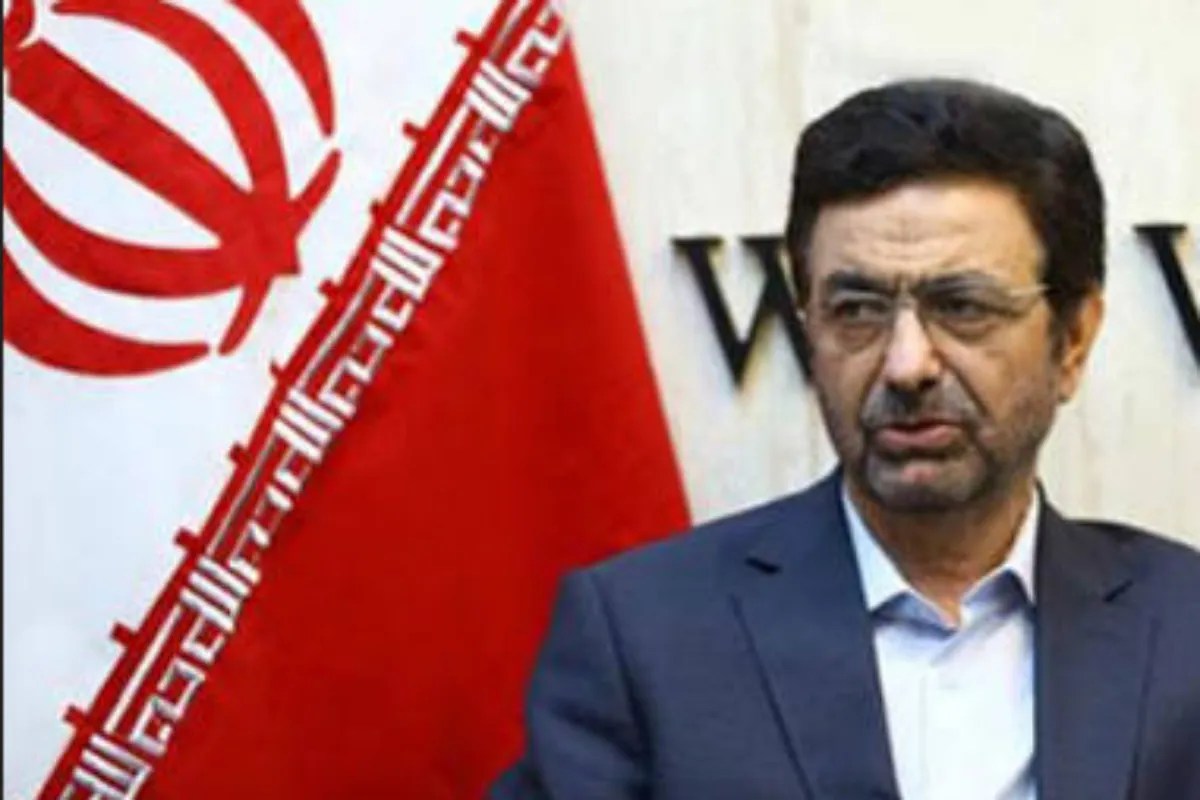
Fada Hossein Maleki, a senior member of the Iranian parliamentary national security and foreign policy committee, made this stance crystal clear in a recent interview. Let's look at what this actually means on the ground. For years, regional capitals have tried to play a dangerous balancing act. They host American military bases, logistics hubs, and fighter jets while simultaneously trying to maintain diplomatic channels with Tehran. Iran's latest warning tells them that fence-sitting days are officially over. For a different look, see: this related article.
The Cost of Regional Logistics
Military power isn't just about weapons fired in anger. It is about supply chains, fuel storage, repair facilities, and air corridors. When tensions flare between Washington and Tehran, American forces routinely lean on their vast network of installations scattered across the Persian Gulf and surrounding territories.
Iran watched this playbook unfold closely. Tehran knows that US jets and logistical support don't materialize out of thin air. They depend heavily on host nations providing the infrastructure. Iranian leadership argues that letting a foreign power use your sovereign territory to launch attacks makes you an active participant, regardless of whether your own pilots are in the cockpit. Further coverage on this trend has been shared by Wikipedia.
During previous exchanges, Iranian countermeasures didn't just target direct American military hardware. They also landed near strategic energy infrastructure and regional logistical nodes. That caused severe jitters in global markets. When Tehran says future responses won't be limited to military bases, they are talking about targeting the economic lifeblood of nations that facilitate foreign aggression. That is a terrifying prospect for neighboring economies trying to pitch themselves as safe global business hubs.
Why the Timing Matters Right Now
You might wonder why Tehran is ratcheting up the rhetoric right now. The answer lies in shifting political winds in Washington and lingering hostilities from recent escalations. With figures like Donald Trump hinting at renewed pressure or potential crackdowns following domestic electoral cycles, Tehran is preparing for the worst.
Deterrence is everything in modern statecraft. By warning regional neighbors well in advance, Iran is trying to raise the diplomatic and physical cost of hosting US forces. Tehran wants local governments to look at the risk equation and tell Washington, "We won't let you use our airfields." It is a high-stakes gamble designed to isolate American military capabilities before a single shot is fired.
Of course, the countries caught in the middle are sweating. Nations across the Gulf value their security umbrellas provided by Washington. At the same time, they share a massive maritime border and vital trade routes with Iran. They cannot pack up and move their geography. Antagonizing a neighbor that sits right across the narrow waters of the Persian Gulf is an administrative nightmare.
The Broader Fallout for Middle Eastern Diplomacy
This escalation forces every capital in the region to re-evaluate its foreign policy. The old assumption that you can maintain a cozy defense pact with the United States while keeping full immunity from regional blowback is dead.
If a new round of conflict breaks out, local leaders will face an immediate crunch. Do they close down foreign assets on their soil to protect their own cities from retaliatory strikes, or do they double down on their traditional security alliances and risk becoming a primary theater of war?
Iran has effectively removed the gray area. You're either neutral, or you're part of the target matrix. As these geopolitical fault lines harden, the margin for diplomatic error shrinks to almost zero. Watch the bilateral talks between Tehran and its neighbors over the coming weeks. That is where the real future of regional security will be decided, long before any missiles leave their silos.