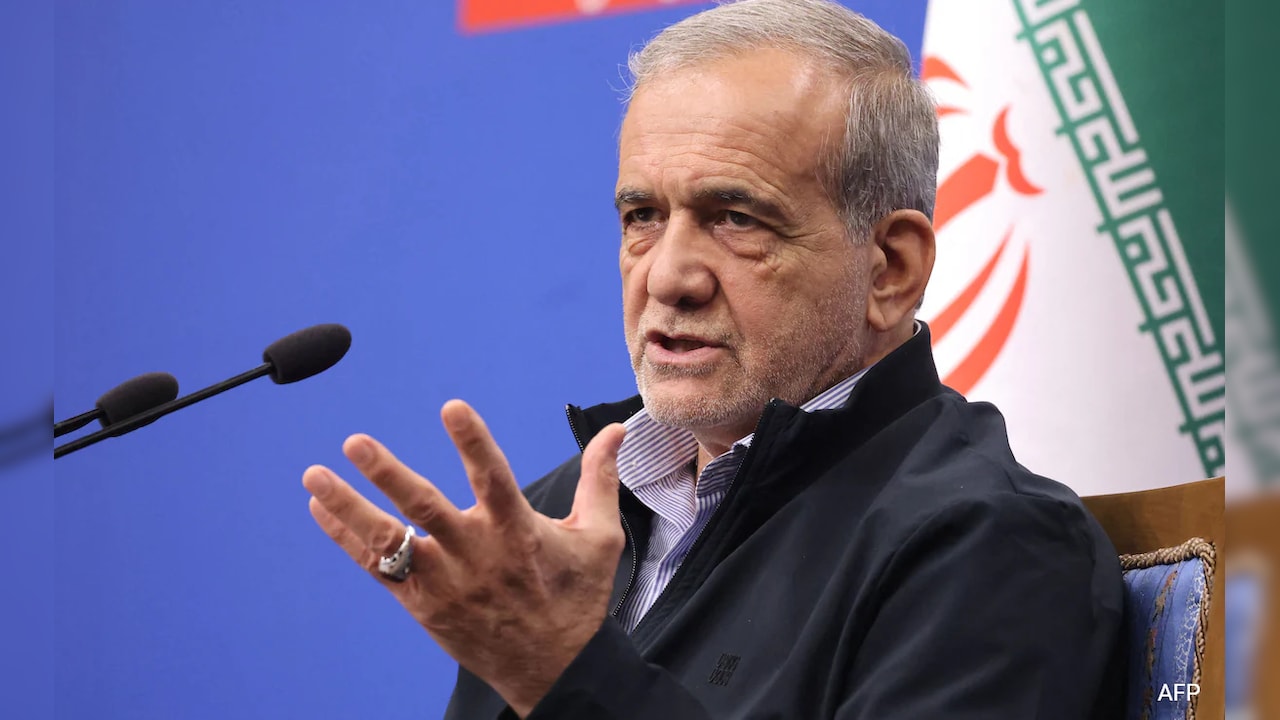
Diplomacy rarely dies in a grand, dramatic explosion. Instead, it bleeds out slowly through broken promises, sudden airstrikes, and the quiet realization that both sides are playing entirely different games. Iranian President Masoud Pezeshkian just said the quiet part out loud. After watching three separate diplomatic openings collapse into sudden military retaliation, Tehran has officially declared that talking to Washington is pointless.
When you sit at a negotiation table trying to find a compromise on nuclear policy or regional stability, only to get hit with fresh airstrikes shortly after shaking hands, trust evaporates instantly. Pezeshkian pointed out a brutal reality that foreign policy pundits often gloss over. You can't negotiate with someone whose primary objective is regime change disguised as diplomatic engagement. According to Iranian state reports, Tehran views ongoing Western pressure—ranging from targeted assassinations to crippling economic sanctions—as proof that Washington never actually wanted a genuine settlement. For a different look, consider: this related article.
The roots of the current crisis run deeper than most mainstream headlines suggest. The conflict blew wide open in late February when the United States and Israel launched surprise military strikes against Iran. The timing was cynical. Both delegations were actively engaged in sensitive discussions regarding Iran's nuclear development program. That shock campaign shattered any illusion of good faith.
Yet, diplomacy almost caught a second wind. Back in June, exhausted diplomats managed to draft a tentative memorandum of understanding. It offered a legitimate framework for a permanent end to hostilities. But peace proved fragile. Iranian forces moved to restrict shipping through the Strait of Hormuz, turning the vital oil chokepoint into an active war zone. That maneuver triggered an immediate US military response, pushing the diplomatic track off a cliff. Related coverage on the subject has been shared by Reuters.
Indirect talks on the sidelines of the United Nations General Assembly completely stalled. Both sides are currently locked in a classic standoff. The US has shifted its primary playbook from direct airstrikes to economic strangulation, avoiding kinetic strikes since early September. Meanwhile, Iranian Foreign Minister Abbas Araghchi insists that military might and fresh sanctions won't fix the underlying tensions. He argues that only fair and just negotiations can resolve the war, though Tehran's definition of fairness looks wildly different from Washington's.
The collateral damage extends far beyond diplomatic hurt feelings. Energy markets remain deeply vulnerable because the Strait of Hormuz is essentially holding global shipping hostage. Iran intercepts commercial tankers attempting to pass without authorization, while the US Navy enforces a counterblockade and targets vessels violating the embargo. Just days ago, maritime agencies reported another tanker struck while attempting the crossing, while others turned back in panic after receiving direct threats from Iranian forces.
Most analysts miss the psychological trap driving this conflict. Washington wants unconditional compliance and security guarantees for regional shipping lanes. Tehran wants absolute sovereignty and relief from economic isolation without surrendering its strategic leverage. When trust hits absolute zero, every gesture of goodwill looks like a trap. Until one side blinks or a neutral third party forces a genuinely binding compromise, expect the diplomatic theater to stay dead. The guns are doing the talking now.
/i.s3.glbimg.com/v1/AUTH_e7c91519bbbb4fadb4e509085746275d/internal_photos/bs/2023/y/T/1p3niVTgaRArTzh6nHnA/snapinsta.app-1080-326161460-2411880255644703-6884858907585465780-n.jpg)