High-stakes diplomacy rarely happens in the open. When Iran's Supreme Leader Ayatollah Mojtaba Khamenei sat down with top security chief Mohsen Rezaei, the message sent to Washington and its allies wasn't subtle. Tehran is digging in its heels.
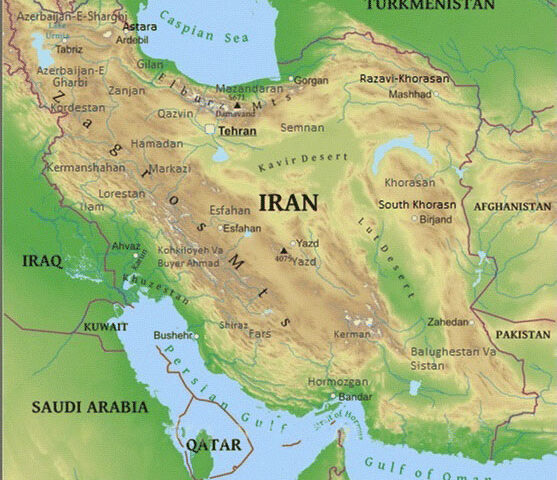
If you’ve been watching the Persian Gulf, you know the standoff isn't just about regional posturing anymore. It’s a bitter deadlock over maritime blockades, ceasefire terms, and who blinks first in controlling one of the world's most critical energy chokepoints: the Strait of Hormuz.
What’s Really Driving the Tehran Talks
The recent high-level meeting between Khamenei and Rezaei didn't happen in a vacuum. It followed hot on the heels of diplomatic visits from officials representing Saudi Arabia, Turkey, and Pakistan, all scrambling to mediate before things boil over completely.
Iran faces a persistent state of neither war nor peace with the United States. Large-scale kinetic strikes may have paused following earlier military clashes, but the underlying pressure cooker remains intact. The U.S. has maintained a naval counter-blockade on Iranian ports, while Tehran asserts tight control over the Strait of Hormuz, frequently challenging unauthorized commercial shipping.
Khamenei used the security briefing to reiterate hardline conditions for ending the conflict. Tehran wants the maritime blockade lifted as an absolute baseline before any substantive peace negotiations move forward. Meanwhile, Western capitals are pushing for sweeping concessions on Iran's nuclear program and regional proxy networks.
Neither side is willing to cede ground easily.
The Sequencing Trap Behind Closed Doors
Negotiating an end to this crisis has repeatedly stumbled over a basic logistical nightmare: sequencing.
Mediators, including Qatari diplomats working behind the scenes, have floated phased frameworks. One prominent proposal mapped out a five-day window for reciprocal moves—such as Iran reopening the Strait of Hormuz to commercial traffic simultaneously with the U.S. lifting its port blockades.
The deal fell apart because Tehran simply doesn't trust Washington. Iranian leadership fears making unilateral concessions—like easing its grip on the gulf—only to face fresh military strikes immediately afterward. That deep-seated paranoia is precisely why backchannel mediation keeps hitting a brick wall.
When you look at statements coming out of Washington, where leaders openly weigh whether to strike a grand bargain or finish the conflict off with renewed military action, Iran's defensive posture makes complete sense from their perspective.
Regional Powers Step In
Tehran isn't just dealing with Washington and its Western allies; it's heavily focused on shoring up its regional backyard. The recent visits by Turkish, Saudi, and Pakistani delegations highlight an urgent push by neighboring states to avert another devastating regional escalation.
These regional powers share a mutual nightmare: a full-blown economic and security crisis in the Persian Gulf that spikes global oil prices and drags neighboring economies into the crossfire. By engaging with the Mecca Pact framework and reinforcing ties with regional neighbors, Iran is trying to build a diplomatic buffer against renewed U.S. and Israeli military pressure.
At the same time, Khamenei stressed the necessity of keeping the Supreme National Security Council tightly coordinated across political, economic, and security fronts. Economic strain inside Iran is severe, compounded by years of sanctions and naval restrictions. Maintaining internal cohesion while projecting external strength is a delicate tightrope walk.
What Comes Next in the Gulf
The standoff at the Strait of Hormuz is a flashing warning sign for global markets and security analysts alike.
As long as the U.S. keeps its naval pressure dialed up and Iran insists on ironclad guarantees before opening shipping lanes, the Persian Gulf will remain a powder keg. Expect more frantic backchannel diplomacy from regional mediators trying to bridge an unbridgeable gap.
Keep an eye on maritime tracking data in the gulf and official readouts from regional capitals. If the sequencing deadlock breaks, it will happen quietly behind closed doors long before any public handshake takes place. Until then, prepare for continued high-stakes brinkmanship.