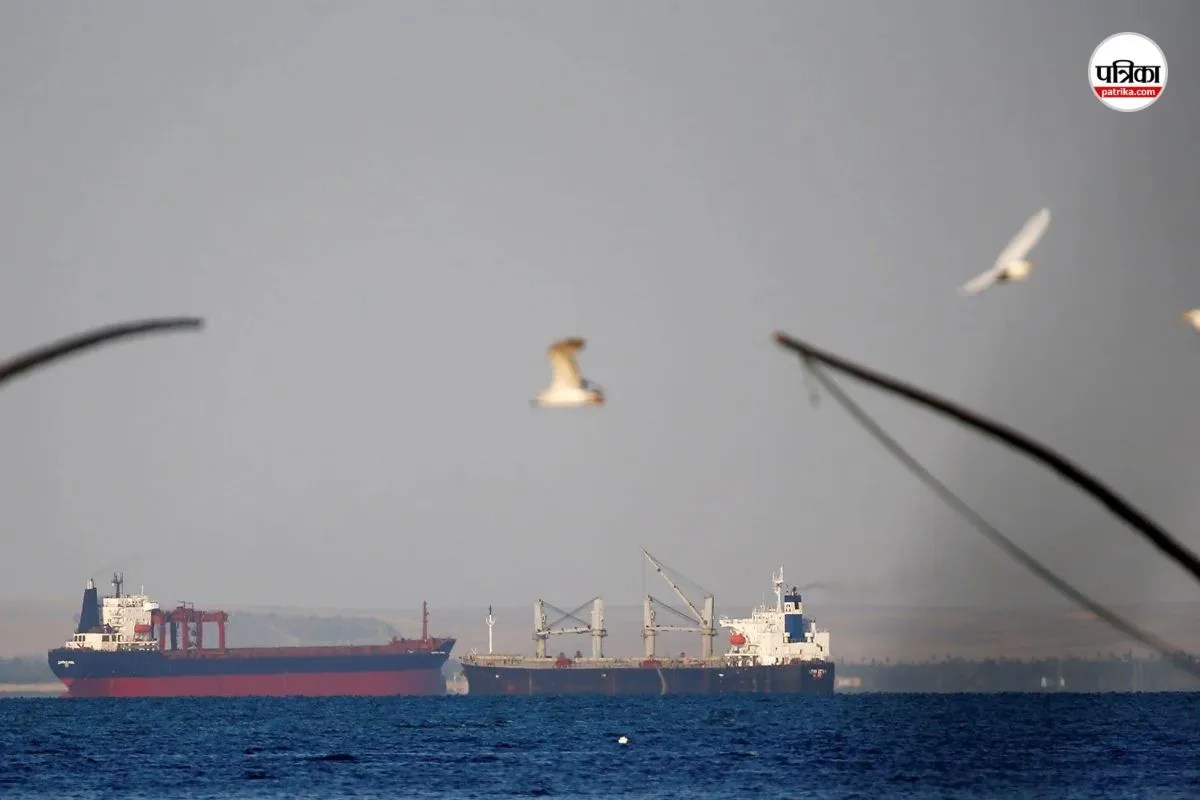
The global energy supply chain is fracturing in real-time, and most people are looking at the wrong numbers. While everyone tracks crashing crude prices on Wall Street tickers, a far more dangerous dynamic is playing out in the Persian Gulf. Iran is ramping up its aggression in the Strait of Hormuz to unprecedented levels, turning a critical global shipping lane into a maritime war zone.
Official data from maritime tracking agencies like UKMTO and the International Maritime Organization reveals a staggering spike. October saw over 30 separate attacks on commercial vessels, breaking all historical monthly records since the conflict began—a massive leap from the previous baseline of roughly 10 incidents a month. November kept the pressure high with at least 22 attacks recorded by late in the month.
When you look past the headlines, the core driver becomes obvious. This isn't just random military posturing. It's an existential scramble by Tehran as its economic lifeline gets systematically choked off.
The Economics of Desperation in the Gulf
Before this escalation flared up, roughly twenty percent of the world's total crude oil supply traversed the narrow waters of the Strait of Hormuz every single day. Today, that vital artery is choked with risk.
Following joint military operations by the United States and Israel, Iran attempted to completely shut down traffic through the strait. Washington responded with a heavy naval blockade targeting Iranian ports. Cargo data from analytics firms like Kpler paints a grim picture for Tehran. By late October, the volume of floating Iranian oil stranded outside the blockaded zone hit absolute zero.
Insiders in maritime risk management point to a stark reality. With Chinese ports taking their final deliveries, Iran's oil revenue is projected to dry up entirely. When a nation's primary source of cash evaporates, diplomacy stops. Escalation becomes the only card left to play.
Oil Prices and Trump's Hardline Stance
Falling global oil prices have completely rewritten the strategic playbook. The International Energy Agency recently noted that global crude prices dropped due to recovering export flows from other Gulf nations and reduced fears of extended Middle East supply disruptions following political shifts in Washington.
Yet, President Donald Trump made it crystal clear on social media that Washington isn't looking for a deal with Tehran. In his view, those days are long gone. With the U.S. holding financial leverage and commanding the Strait of Hormuz, the White House has shown zero hesitation in signaling that further military strikes remain on the table if Iran doesn't back down.
This creates a dangerous feedback loop. As oil prices fall and blockades squeeze Tehran's state budget, the regime has nothing left to lose economically. Desperate actors take desperate risks.
Recent Strikes Expose Vulnerabilities
The human and physical toll on commercial shipping is mounting fast. According to maritime risk assessments from firms like Maersk, multiple commercial tankers have taken direct hits while navigating out of the gulf.
Take what happened over a single weekend. The Marshall Islands-flagged chemical and oil tanker Captain Leon was struck near its bow, sparking an onboard fire while it attempted to clear the chokepoint. Within hours, the Hong Kong-flagged crude tanker Torkel took a hit at its stern, followed closely by a missile strike targeting the engine room of another Hong Kong-registered vessel, the Arena.
While vessel crews have largely escaped catastrophic casualties due to modern safety protocols, the psychological and operational impact on global shipping companies is permanent. Insurers are either abandoning the region or hiking premiums to astronomical levels.
You can't just sail through the Gulf like it's 2019 anymore. Shipping companies are bypassing the region entirely, adding days and millions of dollars in fuel costs to global supply chains.
The standoff in the Strait of Hormuz is no longer a localized regional dispute. It's a high-stakes collision between collapsing energy revenues and unyielding superpower leverage. Until Tehran finds a way to restore its financial bloodline or Washington alters its containment strategy, those waters will remain one of the most volatile coordinates on the planet.