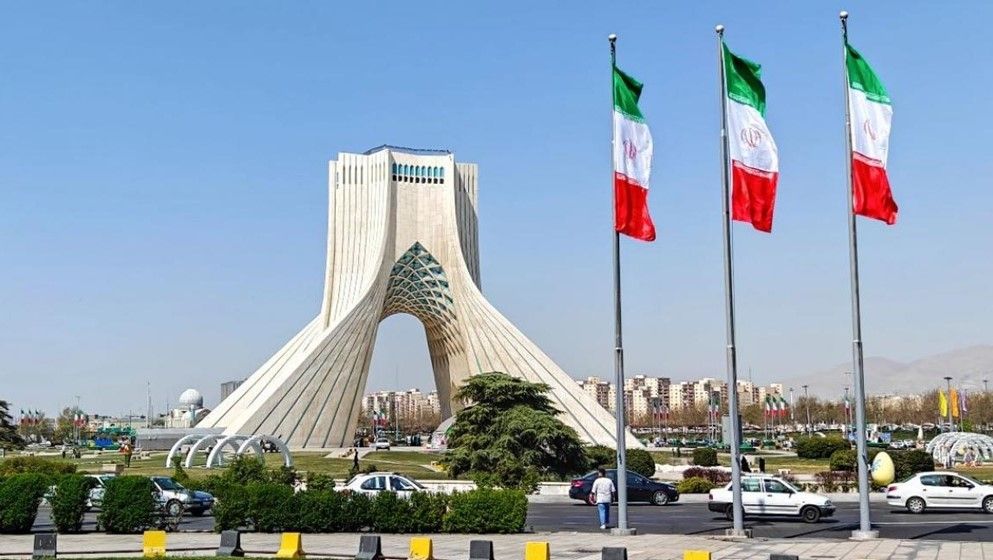
Markets hate uncertainty, but they despise energy bottlenecks even more. When headlines broke that Iran reportedly stepped back from its hardline demands to control transit and levy fees in the Strait of Hormuz, global crude benchmarks reacted instantly.
For months, shipping executives and energy traders have stared at this narrow maritime chokepoint with quiet dread. Around a fifth of the world's petroleum consumption flows through those thirty-nine miles of water every single day. If a regional power starts dictating who passes or charging tolls for the privilege, supply chains break, insurance premiums skyrocket, and inflation roars back to life.
What Actually Changed in the Strategic Waterway
The recent reports indicate a major diplomatic shift. Tehran appears to have dropped its controversial push to assert direct oversight and collect mandatory transit fees from commercial vessels moving through the passage. Earlier in the year, mandatory insurance requirements and threats of blockades had pushed the region to the brink, triggering defensive maneuvers by international navies and sending jitters through commodity trading desks.
Yet, looking at this strictly through the lens of a single diplomatic concession misses the bigger picture. Iran's posture on regional shipping has always served as a pressure valve. When economic sanctions tighten or diplomatic tensions flare up, tanker traffic becomes the primary bargaining chip. Stepping back from toll demands doesn't mean regional friction has vanished overnight. It just means the immediate threat of a direct commercial shakedown at sea has cooled down.
Why Traders Should Not Relax Just Yet
If you trade energy or track macroeconomics, don't pop the champagne yet. While easing tensions around the Strait of Hormuz provides temporary relief for Brent and WTI crude prices, underlying risks remain baked into the system.
Nuclear negotiations remain a massive sticking point. Reports emphasize that while transit fees are off the table for now, broader compliance or compromises on advanced nuclear enrichment are far from guaranteed. Tehran continues to draw hard lines where domestic politics and security intersect. Diplomatic channels operating through mediators like Qatar are fragile, and conflicting statements from officials show how quickly narrative shifts can alter market sentiment.
The Real Impact on Global Supply Chains
Shipping lines have spent the last few years playing an expensive game of operational chess. Navigating the Persian Gulf requires constant risk assessment. Even a hint of lowered friction reduces war-risk insurance surcharges, saving millions of dollars per voyage for supertankers hauling Middle Eastern crude to Asian and European refiners.
Lower transit friction keeps petroleum flowing steadily without the added tax of extortionate fees or military escorts dictating every convoy schedule. But shipping companies won't drop their guard. Contingency routes, alternative pipelines bypassing the Gulf, and agile fleet management are here to stay.
Keep your eyes on the actual tanker tracking data rather than reacting to every single diplomatic whisper. Energy markets will remain hyper-sensitive to any sudden policy reversals from Tehran.