We talk constantly about economic downturns, automation, and shifting job markets, but we rarely look at the massive employment engine hiding right under our feet. A recent UN report proves that repairing our broken environment isn't just an idealistic conservation goal. It's an economic powerhouse.
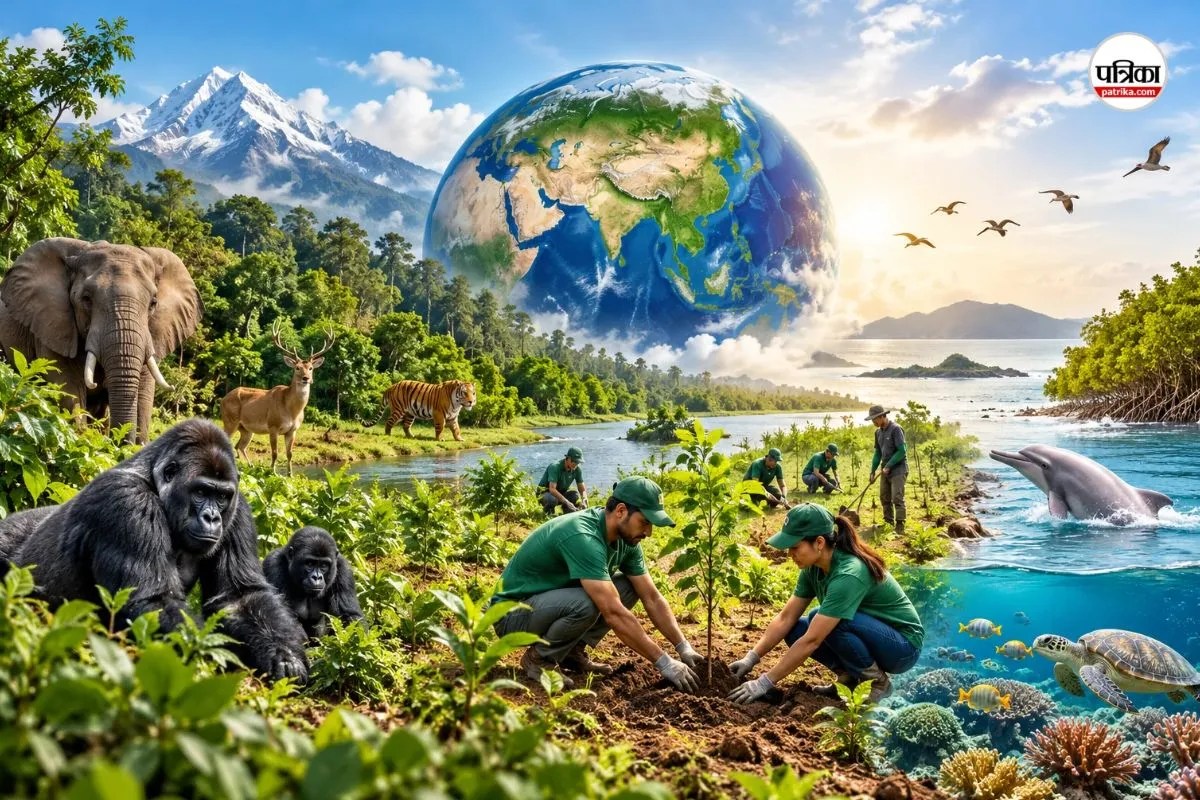
Right now, 252 million hectares of degraded forests, farmlands, wetlands, and coastlines across 149 countries are actively being restored. That massive undertaking has already generated over one million green jobs. But if governments and private markets step up financial commitments by 2030, that number could skyrocket to 32 million new jobs. You might also find this related article useful: Why Texas Just Cut Off State Grants For Companies Using H-1b Visas.
Here is what you need to know about the numbers, the roadblocks, and why this shift matters for the future of work.
The Trillion-Dollar Funding Gap
Let's look at the hard numbers. The ambition is there, but the cash flow isn't keeping pace. As reported in recent coverage by The Economist, the implications are significant.
According to the UN data, annual restoration financing sits at roughly $64 billion. To hit global climate and biodiversity targets by the end of the decade, that amount needs to quadruple to $296 billion a year.
Most people assume environmental work relies entirely on charity or government grants. It doesn't. Private capital needs to wake up. When corporations view degraded land as a dead asset instead of an investment opportunity, everyone loses. Fixing soil health, replanting mangroves, and cleaning up watersheds require heavy upfront capital, but the long-term return on investment in food security, flood prevention, and climate resilience dwarfs the initial price tag.
Where Are the New Jobs Actually Coming From?
You might picture tree-planting volunteers working for free on weekends. That's a nice image, but it's not what a multi-million-hectare restoration economy looks like.
The green jobs driving this movement require technical skills, scientific oversight, and hands-on labor:
- Ecosystem Scientists and Data Analysts: Mapping soil carbon, tracking biodiversity recovery, and using drone technology to monitor plant health.
- Agricultural Specialists: Implementing regenerative farming practices that restore soil microbes and reduce chemical runoff.
- Coastal and Marine Engineers: Rebuilding coral reefs, restoring mangrove belts to protect against storm surges, and managing sustainable fisheries.
- Community Project Managers: Coordinating local labor forces, indigenous land stewards, and municipal governments to ensure projects succeed on the ground.
These aren't temporary gigs. They are long-term careers anchored in local communities that desperately need economic stability.
What Most People Get Wrong About Nature Restoration
Skeptics love to claim that protecting nature kills local economies. They argue that strict conservation laws choke industry and wipe out blue-collar jobs.
The evidence points in the exact opposite direction. Over-exploitation, pollution, and climate change have degraded 15.4 percent of the world's land. That degradation destroys agricultural productivity, ruins fisheries, and costs billions in disaster relief when floods and droughts hit unmanaged landscapes.
Restoring ecosystems repairs the foundation of the economy. When you revive a river basin, local farmers get reliable irrigation. When you replant mangroves, coastal towns avoid catastrophic storm damage. Protecting nature isn't pausing economic activity. It's saving it from total collapse.
Getting Serious About 2030 Goals
The global framework is already set. International agreements dictate that at least 30 percent of degraded terrestrial, freshwater, and marine ecosystems must fall under effective restoration by 2030.
Meeting that mark requires a complete overhaul of how public subsidies work. Governments currently pour billions into industries that actively degrade land through intensive chemical use and deforestation. Redirecting those perverse subsidies toward restoration funding is the most logical step policy makers can take right now.
If you want to get involved or position your career for the coming decade, look toward sustainable agriculture, geospatial data analysis for environmental monitoring, or clean water infrastructure. The green economy isn't some distant futuristic concept. It's hiring right now.