Air disaster investigations rarely offer easy answers in the first forty-eight hours. When a Learjet 60 plummeted into Greenacres near West Palm Beach on a Sunday afternoon, ending nine lives and displacing hundreds of local residents, the immediate aftermath was pure chaos. Now, federal investigators are picking through scattered debris fields to piece together the final terrifying moments of the Bahamas-bound flight.
National Transportation Safety Board member Tom Chapman confirmed a vital physical clue that shifts the trajectory of the inquiry. Investigators recovered parts of the left elevator—the horizontal stabilizer control surface on the tail—spread across a distance ranging between two and six kilometers from the primary impact crater.
Finding these pieces miles away changes everything we thought we knew about the descent.
The Structural Breakdown Debate
Separating cause from effect is the core challenge right now. When control surfaces detach mid-flight, aviation experts instantly question whether a mechanical failure triggered the disaster or if extreme aerodynamic forces ripped the aircraft apart during an uncontrolled nosedive.
Aviation safety expert Jeff Guzzetti pointed out that debris discovered within a few kilometers of the main wreckage site typically indicates parts shedding closer to the ground rather than disintegrating at high altitude. If those components had sheared off miles high, prevailing winds would have scattered them across a much wider geographic footprint.
Even so, losing the left elevator means the pilot lost a primary mechanism required to pull the nose up. At descent rates exceeding 20,000 feet per minute, recovery would have tested the limits of any human operator, regardless of whether the control surface was physically attached or already trailing away.
Chilling Communications and Weather Factors
The human element of this tragedy remains devastating. The flight took off from Austin, Texas, carrying technology entrepreneur Adam Robinson, his wife Helen Sharp, and their two young children, alongside two crew members in the cockpit.
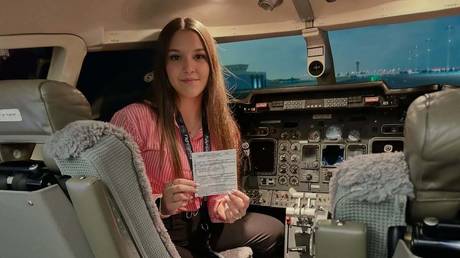
Co-pilot Nathalia Gadelha Filgueiras communicated the compounding dangers in her final moments. Text messages sent to her boyfriend roughly ten minutes before impact highlighted severe atmospheric hazards: intense turbulence and active icing.
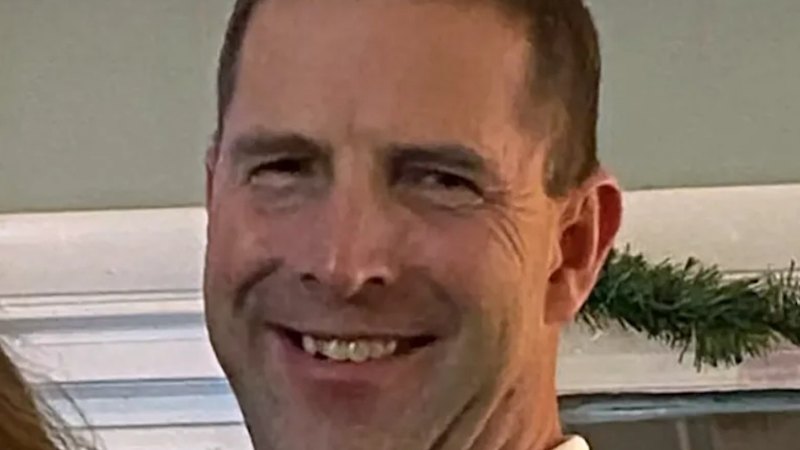
As the jet dropped into a rapid plunge, audio recordings captured the co-pilot shouting out critical updates to air traffic control. The aircraft was hammered by extreme vertical displacement, bouncing up and down by more than 700 feet. In the background of radio transmissions, a male voice could be heard reciting the Lord’s Prayer—a harrowing detail that friends attribute to 55-year-old captain Jeff Gregory, a veteran aviator based out of the Philadelphia area.
The final words transmitted from the cockpit left no room for misinterpretation: "We're going to crash into the ground" followed swiftly by "We're out of time!"
What Happens Next in the Investigation
While heavy rain temporarily hampered ground teams from accessing the deepest parts of the impact crater, investigators are utilizing dashcam footage, witness reports, and radar telemetry to reconstruct the flight path.
The NTSB plans to issue a preliminary report within thirty days, but establishing the definitive probable cause will take well over a year. Weather conditions, ice accumulation rates, and the exact sequence of structural failure will face intense scrutiny as forensic engineers examine every square inch of recovered metal.
Check local aviation safety boards for official updates as recovery operations conclude.