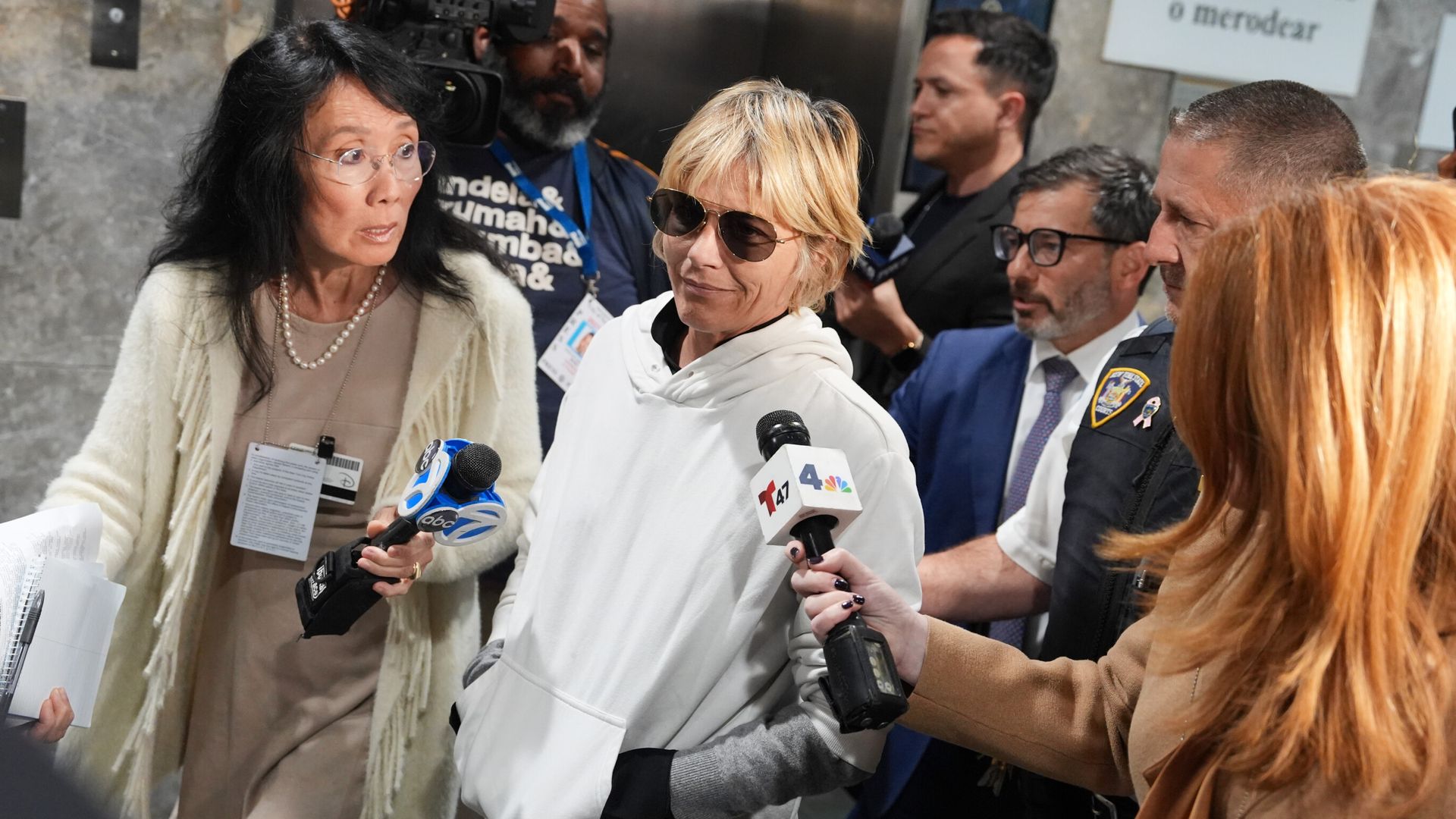
Air travel is already stressful enough without a high-profile security crisis unfolding at thirty thousand feet or right at the arrival gate. Yet, that is precisely what happened when actor Selma Blair found herself at the center of a chaotic police response at New York’s John F Kennedy International Airport.
Let's look past the glossy headlines and talk about what actually went down on that Delta Air Lines flight, what officials have confirmed, and why this story is raising serious questions about medical emergencies, public behavior, and accountability in the skies.
What Happened on Delta Flight 938
The timeline starts late on a Sunday night. Delta Air Lines flight 938 arrived at JFK after making the cross-country trip from Los Angeles. But passengers weren't just stepping off the plane and heading to baggage claim. Instead, Port Authority of New York and New Jersey officials swarmed the aircraft parked at the gate around 11:00 PM.
They were responding to urgent calls about a physically abusive passenger.
According to statements from law enforcement and leaked air traffic control audio, the situation inside the cabin had escalated dramatically before touchdown. The pilot radioed ahead for medical personnel and law enforcement, noting that crew members and passengers had sustained minor injuries, including a bloody nose and bite marks.
Sources quickly confirmed that the passenger in question was 54-year-old actor Selma Blair. Rather than going straight to jail, Blair was taken into custody and immediately transported to a local hospital for medical evaluation. One flight attendant also required hospital treatment for injuries sustained during the altercation. The FBI, which has jurisdiction over crimes committed aboard commercial aircraft within United States airspace, stepped in to lead the investigation.
The Medical Emergency Defense Versus Accountability
Publicists and representatives move fast when a celebrity hits the police blotter. In this case, Blair’s publicist issued a statement to the media claiming that the actor experienced a medical emergency that triggered the alleged conduct. They noted that she received immediate medical attention upon landing and remained in stable condition.
It is a familiar playbook. When a public figure behaves erratically in public, medical explanations or medication mix-ups often follow close behind.
We saw a similar narrative play out a decade ago in 2016. Blair was removed on a stretcher from a flight heading from Cancún to Los Angeles after reportedly screaming uncontrollably. Back then, she owned the mistake publicly, explaining that she had mixed alcohol with medication, which caused her to blackout and do things she deeply regretted.
Air travel safety protocols leave zero room for ambiguity. Airlines maintain a strict zero-tolerance policy toward unruly behavior because a compromised cabin crew or a physical disturbance mid-flight threatens everyone on board. When someone allegedly punches a flight attendant, bites another, and tries to force an airplane door open while in transit, the explanation matters very little to the people trapped in that aluminum tube at high altitude.
The Broader Conversation Around Health and Public Incidents
Blair is a beloved figure to millions. Her iconic roles in films like Cruel Intentions and Legally Blonde earned her a permanent spot in pop culture. Beyond her acting career, she earned widespread admiration for her transparent advocacy and resilience following her 2018 multiple sclerosis diagnosis. Fans praised her willingness to share the gritty, unvarnished reality of living with a chronic illness.
Because of that goodwill, fans and observers feel a sharp sense of whiplash when incidents like this occur.
Managing chronic health conditions, neurological symptoms, or heavy medication regimens while navigating the relentless demands of a public career and frequent air travel is notoriously difficult. Exhaustion, stress, and physiological triggers can collide with terrifying speed.
However, public sympathy has limits when other working professionals—such as flight attendants just trying to do their jobs—end up injured, bleeding, or needing hospital care. Crew members are safety professionals first and foremost. They are not equipped or paid to absorb physical assaults, regardless of what is happening in a passenger's medical or personal life.
What Comes Next for the Investigation
Federal authorities are still reviewing the evidence, interviewing witnesses, and examining flight logs. Because the incident occurred on an interstate commercial flight, federal charges remain a very real possibility depending on what the FBI investigation uncovers.
If you or someone you know travels frequently, the takeaway here is pretty straightforward. Commercial aviation operates under federal oversight for a reason. If medical vulnerabilities, severe anxiety, or prescription reactions pose a risk to personal stability during transit, building a support system or altering travel methods becomes vital before stepping onto a plane.
The aviation system depends on order and mutual respect. When that breaks down, the fallout is swift, public, and unforgiving.