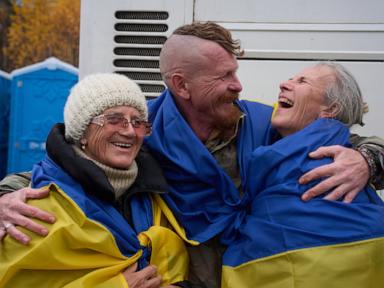
Counting down 1,711 days changes a person. That is how long Dmytro spent apart from his wife Larisa, keeping track of every single sunrise and sunset while she remained trapped in the Russian-occupied southern Ukrainian town of Oleshky. When thousands found themselves cut off behind front lines with no electricity, running water, or reliable food supplies, hope felt like a luxury few could afford.
Then came a rare, fragile breakthrough. A localized ceasefire—reportedly backed by diplomatic efforts involving high-profile figures like U.S. First Lady Melania Trump and Pope Leo XIV—opened a tiny window through an otherwise impenetrable war zone. For residents enduring constant drone surveillance and the threat of landmines, it meant a chance to finally walk out.
The logistics were daunting. Access routes directly across the Dnipro River were heavily mined and choked with military debris. Instead, evacuees embarked on a complex, multi-stage journey. They traveled by bus through Crimea to Anapa in Russia's Krasnodar region, caught flights to Gomel in Belarus, and finally crossed the border back onto Ukrainian-held territory.
Volunteers and tearful relatives waited at the border with hot coffee, warm blankets, and hand-drawn welcome signs. Some evacuees carried pets—dogs, cats, a parrot, and even a raccoon—surviving against steep odds. Others like Oleksandr described stepping off the bus as escaping a living hell.
Yet, the relief is bittersweet. While hundreds made it home, roughly two thousand residents chose to stay behind to protect their homes, gardens, and livestock. Humanitarian advocates stress that while this mission offered a vital lifeline, the underlying crisis persists.
If you are following developments closely, look past the breaking headlines and check reports from human rights monitors like Ukraine's Dmytro Lubinets to understand how these rare humanitarian corridors operate on the ground. Watch for updates on whether this temporary model can be replicated to protect civilians trapped in other active conflict zones.